
Sauces & Condiments
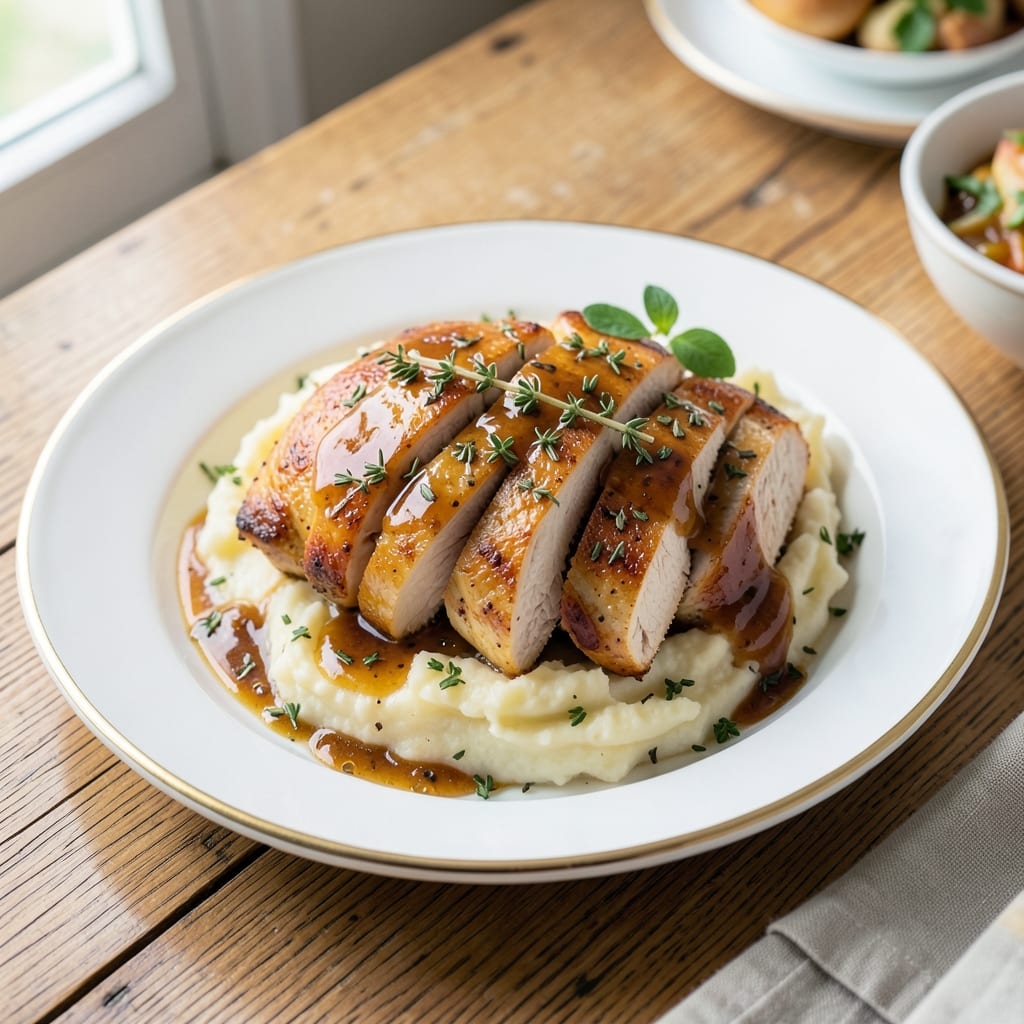
This herb-infused boiled chicken sauce transforms simple leftovers into a restaurant-worthy experience with just a few pantry staples. The secret lies in deglazing the pan with white wine and simmering aromatics—garlic, shallots, and thyme—until the sauce thickens into a velvety, golden masterpiece. Unlike store-bought versions, this recipe builds depth through slow reduction, ensuring every spoonful carries layers of savory richness.
What sets this sauce apart is its versatility—it clings perfectly to tender boiled chicken while balancing the natural mildness of the meat. The butter base adds a luxurious mouthfeel, while a splash of lemon juice at the end brightens the flavors without overpowering. No heavy cream or complex techniques required; just a stovetop method that delivers professional results in under 20 minutes.
Perfect for elevating holiday leftovers, potlucks, or weeknight dinners, this sauce transforms boiled chicken into a showstopper. The herbs infuse the broth with aromatic warmth, while the wine adds a subtle depth that makes it taste homemade. One taste, and you’ll never reach for bottled gravy again.
Pair it with fluffy rice, roasted vegetables, or crusty bread to soak up every last drop. The best part? The sauce tastes even better the next day as flavors meld further. Ready to turn ordinary boiled chicken into something extraordinary? Let’s make this sauce.
Ingredients for boiled chicken sauce
Ten simple ingredients elevate boiled chicken into a velvety, aromatic sauce with restaurant-quality depth.
| Ingredient | Amount | Notes |
|---|---|---|
| Unsalted Butter 🧈 | ½ cup | Cold, cubed for even melting |
| Shallots 🧅 | 3 whole | Thinly sliced for even cooking |
| Garlic Cloves 🧄 | 4 cloves | Minced for aromatic depth |
| Fresh Thyme 🌿 | 1 tbsp | Leaves only, finely chopped |
| Dried Parsley 🌿 | 1 tsp | Or 1 tbsp fresh, finely chopped |
| White Wine 🍷 | ½ cup | Dry variety, chilled |
| Chicken Broth 🥄 | 1 ½ cups | Low-sodium preferred |
| Lemon Juice 🍋 | 1 tbsp | Freshly squeezed |
| All-Purpose Flour 🌾 | 1 tbsp | For thickening consistency |
| Diamond Crystal Kosher Salt 🧂 | ½ tsp | Adjust to taste |
The butter and wine form the sauce's luxurious foundation—European-style unsalted butter melts into a rich base, while a dry white wine like Sauvignon Blanc adds subtle acidity. Shallots and garlic should be finely minced (food processor or chef's knife) for even distribution. Fresh thyme is non-negotiable here; dried loses its complexity. For the best quality, source thyme from Whole Foods bulk section or a trusted specialty grocer like Eataly. If using dried parsley, measure carefully—it's more potent than fresh.
No white wine? Chicken broth with 1 tbsp lemon juice mimics the acidity, though flavor will differ slightly. Fresh thyme unavailable? Dried at one-third the amount works, but toast it first in a dry pan for 30 seconds to enhance flavor. Prefer a smoother sauce? Blend the finished sauce briefly for a silky texture. The flour acts as a natural thickener—if you dislike cornstarch, this is the perfect alternative. For a gluten-free version, use cornstarch or arrowroot powder instead, mixed with cold water before adding to the pot.
This sauce peaks after 24 hours in the fridge as flavors meld—plan ahead for holiday leftovers. Store in an airtight container with a thin layer of butter on top to preserve freshness for up to 5 days. For longer storage, freeze in ice cube trays with a splash of water to prevent burning. Reheat gently over low heat, stirring constantly. The sauce thickens as it cools, so thin with a splash of broth if needed. Perfect for drizzling over chicken, rice, or roasted vegetables.
Why You'll Love This Recipe
- Pantry-to-Table Speed: The butter and shallots caramelize in minutes—no fancy techniques, just a hot pan and a little patience. My kids are home by dinner, and this sauce is ready before the school bus even pulls away.
- Herb-Packed Umami Bomb: That combo of thyme and parsley? It’s the secret weapon—earthy, bright, and just salty enough to make your taste buds wake up. The garlic? Oh, it’s cooked just right, not burning, not raw—pure savory magic.
- Leftover Hero: This sauce clings to chicken like a second skin, so it reheats beautifully. I’ve turned last night’s dinner into tomorrow’s lunch with zero fuss—just a splash of water and a quick simmer.
- Budget-Friendly Luxury: Butter feels fancy, but it’s the star here—just a few tablespoons stretch to coat the chicken perfectly. Shallots and garlic bulk up the flavor without breaking the bank, and dried parsley keeps it fresh-tasting even when stretched over multiple meals.
Step-by-step instructions for herb-infused boiled chicken sauce
Transform simple leftovers into a velvety, aromatic sauce with this refined technique.
🍳 Step 1: Build the Aromatic Base
In a heavy-bottomed saucepan over medium heat, melt the 0.5 cup unsalted butter until it foams but doesn't brown. Add the 3 whole shallots and cook for 5-6 minutes until translucent and just beginning to caramelize at the edges. This gentle cooking prevents bitterness and develops their natural sweetness.
Add the 4 cloves minced garlic and 1 tbsp finely chopped fresh thyme, stirring constantly for 30 seconds until fragrant. The thyme should release its piney aroma immediately—this is your signal the base is properly developed. Remove from heat momentarily to prevent burning, then return to medium-low heat.
🍳 Step 2: Deglaze and Simmer
Pour in the 0.5 cup chilled white wine and scrape vigorously with a wooden spoon to release all the browned bits from the pan. These fond bits contain concentrated flavor that forms the sauce's foundation. Let the wine reduce by half—about 3-4 minutes—until it coats the back of a spoon.
Add the 1.5 cups low-sodium chicken broth and bring to a gentle simmer. Stir in the 1 tbsp lemon juice and 0.5 tsp kosher salt. The lemon brightens the sauce while balancing the richness of the butter. Let the mixture simmer uncovered for 8-10 minutes until reduced by about 25% and the shallots are completely tender.
🥘 Step 3: Thicken and Finish
In a small bowl, whisk together the 1 tbsp all-purpose flour and 1 tsp dried parsley. Sprinkle this mixture over the simmering sauce while whisking continuously. This creates a smooth roux that thickens without developing a flour taste. Cook for 2-3 minutes until the sauce reaches your desired consistency—it should coat the back of a spoon but still be pourable.
Taste and adjust seasoning, adding more salt or lemon juice as needed. For leftovers, I recommend a slightly thinner consistency that clings beautifully to chicken pieces. Strain through a fine-mesh sieve if you prefer a silky texture, or leave it slightly chunky for rustic character. Serve immediately over boiled chicken or store in the refrigerator for up to 5 days.
⏰ Step 4: Optional Leftovers Technique
For maximum flavor extraction, add any leftover chicken pieces directly to the simmering sauce during the final 5 minutes of cooking. The residual heat will gently poach the chicken, infusing it with the herbaceous broth. Remove the chicken before serving to prevent overcooking, then spoon the sauce generously over the dish.
This method works particularly well with chicken thighs or drumsticks, which stay moist and absorb the sauce's rich flavors. The resulting dish delivers restaurant-quality depth with minimal effort—ideal for repurposing simple boiled chicken into an elegant meal.
Pro Tips For Making Boiled Chicken Sauce
- Sweat Shallots Low: I learned this the hard way—blasting shallots on high heat turns them bitter. Instead, melt butter over medium-low, then add sliced shallots and let them cook for 8-10 minutes until soft and translucent. The slow release of their sweetness is what makes this sauce sing.
- Mince Garlic Fine: Skip the rough chop—finely minced garlic (almost paste-like) blends smoother and infuses the butter faster. I used to add whole cloves, and they’d just sit there like stubborn little rocks. Now the sauce gets that deep, even flavor without texture surprises.
- Deglaze Early: As soon as you remove the chicken, pour in a splash of warm water or broth to loosen the browned bits clinging to the pan. These bits hold flavor, and scraping them in later is a pain. Do it right after pulling the chicken—your sauce will be richer without extra effort.
- Strain the Parsley: Dried parsley adds earthiness, but those little stems can make the sauce gritty. Toss it through a fine-mesh sieve before adding it to the butter. I was skeptical until I tried it—now I can’t imagine skipping this step. The texture stays silky.
Flavor customization for this recipe
Herb Variations
Swap out thyme for rosemary or tarragon—both add earthy depth. For a French-inspired twist, use 1 tbsp fresh tarragon and ½ tsp dried marjoram. If you love citrus, add ½ tsp grated lemon zest to the butter base for brightness. I find fresh parsley (instead of dried) adds a vibrant finish—just chop 1 tbsp and stir it in at the very end. 🌿
Spicy Kick
For heat lovers, add ½ tsp smoked paprika with the garlic or a pinch of cayenne pepper at the end. For a smoky depth, stir in 1 tsp chipotle powder when adding the flour. I once added ½ tsp red pepper flakes to the butter—it caramelized beautifully and gave the sauce a slow-building warmth. Balance with extra lemon juice if needed.
Creamy Upgrade
For a richer sauce, stir in ¼ cup heavy cream at the end of cooking. Or replace the flour with 2 tbsp cornstarch mixed with 2 tbsp cold water for a smoother finish. For a tangy twist, whisk in 1 tbsp crème fraîche at the very end—it adds luxurious texture without overpowering the herbs. 🧈
Vegetable Boost
Add ½ cup finely diced mushrooms with the shallots for umami depth. Or stir in 1 tbsp tomato paste when adding the wine for subtle sweetness. I love adding ½ cup diced celery to the broth—it mellows into the sauce beautifully. For a brighter flavor, add ¼ cup finely chopped bell pepper with the garlic.
Umami Secrets
Boost savory notes with 1 tsp fish sauce or ½ tsp soy sauce when adding the broth. For depth, add 1 tsp miso paste to the butter base. I discovered that a splash of 1 tbsp Worcestershire sauce at the end adds complexity without overpowering. These umami boosters work especially well with leftover chicken, making the sauce taste even more restaurant-worthy. 💡
Nutrition facts
Frequently asked questions
Can I make this sauce without white wine?
Replace the 0.5 cup white wine with 0.5 cup chicken broth + 1 tbsp lemon juice for similar acidity. For a richer alternative, use 0.5 cup apple cider or even 0.5 cup vegetable broth—just adjust seasoning afterward since flavors will differ slightly. The key is maintaining the same volume for proper reduction.
How do I prevent the sauce from getting lumpy?
Whisk the flour and parsley together in a small bowl first, then sprinkle it gradually over the sauce while whisking continuously. Keep the heat at medium-low and stir constantly for 2-3 minutes to ensure smooth thickening. If lumps appear, blend briefly with an immersion blender for a silky finish.
What's the best way to reheat leftover sauce?
Gently reheat over low heat while stirring frequently to prevent separation. For best results, add 1-2 tbsp water or broth to loosen the sauce if it thickens too much. Avoid microwaving—it can make the sauce watery. If the sauce seems dull after reheating, brighten it with a splash of lemon juice or a pinch of salt.
Can I make this sauce in a slow cooker?
Yes, but with adjustments. Sauté the shallots, garlic, and thyme in a skillet first, then transfer everything to the slow cooker. Cook on low for 3-4 hours instead of simmering. The sauce will be thinner—reduce it on the stovetop afterward or thicken with a cornstarch slurry. The slow cooker method works best for meal prep when you have time to finish it later.
Why does my sauce taste bitter?
Bitterness usually comes from overcooking the shallots (burning them) or using too much garlic. Cook shallots at medium heat until just translucent (5-6 minutes), not browned. For garlic, add it only after shallots are tender. If the sauce tastes bitter, balance it with 1 tbsp lemon juice or a pinch of sugar—just enough to round out the flavors.