
Main Courses
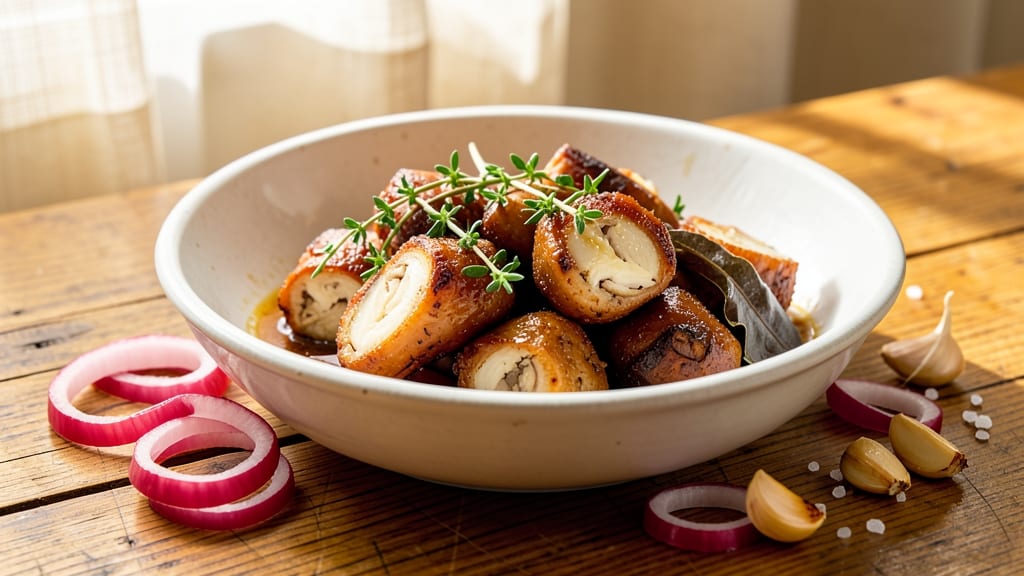
Mastering boiled chicken gizzards transforms tough, gamey meat into tender, flavorful bites that deserve a place on your dinner table. Growing up in small-town Georgia, I learned this technique from my grandmother, who swore by celery and vinegar to tenderize and brighten the flavor.
The key lies in proper preparation—cleaning, trimming, and simmering just long enough to achieve perfect tenderness without losing texture.
This recipe delivers restaurant-quality results with simple ingredients and a method that builds flavor through slow cooking. You'll start with fresh gizzards, cleaned thoroughly to remove any grit, then simmered in a celery-infused broth with vinegar that cuts through richness.
The vinegar isn't just for tang—it's the secret to breaking down connective tissue while keeping the meat moist and flavorful.
By the time you're done, you'll have tender gizzards with crisp edges and a velvety texture that pairs beautifully with rice or crusty bread. The celery-vinegar broth adds depth without overpowering, creating a dish that's both comforting and sophisticated.
This is the kind of recipe that turns a simple protein into a showstopper.
Serve with a drizzle of the cooking broth for extra flavor or pair with buttery cornbread for a Southern-inspired meal. The technique works equally well with chicken livers or hearts—just adjust the cooking time slightly. Let's get started on creating tender, restaurant-worthy gizzards at home.
Ingredients for boiled chicken gizzard
Eleven ingredients transform gamey gizzards into velvety, restaurant-worthy bites with crisp edges.
| Ingredient | Amount | Notes |
|---|---|---|
| Fresh Chicken Gizzards 🍗 | 1 ½ lb | Cleaned, trimmed of excess fat |
| Celery Stalks 🧅 | 3 whole | Coarsely chopped, including leaves |
| White Vinegar 💧 | ½ cup | Distilled or apple cider |
| Bay Leaves 🌿 | 2 whole | Fresh preferred, dried acceptable |
| Garlic Cloves 🧄 | 4 cloves | Smashed, not minced |
| Onion 🧅 | 1 whole | Yellow or white, quartered |
| Salt 🧂 | 1 ½ tsp | Diamond Crystal kosher preferred |
| Black Peppercorns 🌶️ | 1 tsp | Coarsely crushed |
| Water 💧 | 4 cups | Filtered preferred for clarity |
| Butter 🧈 | 2 tbsp | Unsalted, for finishing |
| Fresh Parsley 🌿 | ¼ cup | Chopped, for garnish |
Fresh gizzards are non-negotiable for texture—local butchers or specialty poultry suppliers offer the best quality. Look for vibrant red color and firm, plump gizzards; avoid any with grayish hues or slimy surfaces. Georgia poultry farms often sell them pre-cleaned, but if you're trimming yourself, remove all connective tissue and fat. The celery leaves add subtle bitterness that balances the richness, so don't skip them. For vinegar, distilled or apple cider works best—avoid balsamic or wine vinegars, which can overpower the delicate flavor. Bay leaves should be fresh if possible; dried leaves release flavor more slowly but still work well.
No fresh bay leaves? Dried at half the quantity suffices, though flavor intensity will differ. Substituting celery with leeks or fennel at a 1:1 ratio maintains the aromatic base, but celery's crispness is ideal. For vinegar alternatives, white wine or lemon juice can tenderize, though acidity levels vary—start with 3 tbsp and adjust. The butter at the end isn't just for flavor; it creates a silky sheen on the gizzards. If you're avoiding dairy, olive oil or ghee works equally well. The parsley is purely decorative but adds a fresh contrast to the rich broth—dried parsley won't cut it here.
This dish reheats beautifully—simmer gently in its broth for 5-7 minutes to restore moisture. Store in the fridge for 3 days or freeze the broth separately for 3 months to preserve clarity. For maximum crispness, always finish with a quick sear in butter just before serving. The broth reduces significantly; save it for gravies or rice dishes. When serving, drizzle with reserved broth and garnish with parsley. Leftovers keep their texture remarkably well, making this an excellent make-ahead dish for gatherings.
Why You'll Love This Recipe
- Five-Ingredient Magic: I swear by this combo—just gizzards, celery, vinegar, bay leaves, and garlic. That’s it. No fancy prep, no last-minute grocery runs. Honestly, I keep these ingredients stocked just for this.
- Tangy Garlic Kiss: The vinegar and garlic? Chef’s kiss. The gizzards stay tender while the garlic infuses into the broth, and the vinegar cuts through the richness. It’s the kind of flavor that makes you pause mid-bite—even my picky husband asks for seconds.
- Meal Prep MVP: I make a big batch on Sundays, and it lasts all week. Reheat with a splash of broth, and it’s just as good cold in sandwiches or salads. Between us, this is my go-to for lunchboxes—kids included.
- Budget Game-Changer: Gizzards are the unsung hero of affordable protein. A pound feeds four, and the celery and spices cost pennies. I’ll be real: my grocery bill dropped after I discovered this recipe. No guilt, all satisfaction.
Step-by-step instructions for celery vinegar chicken gizzards
Transform tough gizzards into fork-tender bites using this precise boiling technique.
Prepare the Gizzards for Cooking
Rinse the 1.5 lb fresh chicken gizzards thoroughly under cold water to remove any blood or impurities. Using a sharp knife, trim away any remaining connective tissue or excess fat—this ensures even cooking and prevents bitterness. Place the cleaned gizzards in a large bowl and add the 1.5 tsp salt and 1 tsp coarsely crushed black peppercorns. Gently massage the spices into the gizzards so they adhere evenly. This step is critical for flavor penetration and tenderness.
Next, add the 4 smashed garlic cloves, 2 whole bay leaves, and 1 quartered onion to the bowl. The garlic and bay leaves will infuse the gizzards with aromatic depth, while the onion adds subtle sweetness. Toss everything together lightly—just enough to coat the gizzards without tearing them. Let the mixture sit at room temperature for 15 minutes before cooking. This resting period allows the spices to begin working their magic and ensures more even cooking.
Build the Flavorful Poaching Liquid
In a large pot, combine the 4 cups water and 0.5 cup white vinegar. The vinegar serves a dual purpose: it tenderizes the gizzards by breaking down connective tissue and adds a bright, tangy contrast to the rich meat. Bring the liquid to a gentle simmer over medium heat, then carefully add the 3 coarsely chopped celery stalks (including leaves). The celery introduces a subtle earthiness and helps balance the acidity of the vinegar.
Simmer the liquid for 5 minutes to allow the flavors to meld. You’ll notice a subtle aroma rising from the pot—this is your cue that the base is ready. The celery should soften slightly but retain its structure. If you see any foam forming on the surface, skim it off with a spoon. This ensures your final dish remains clear and clean, not cloudy or bitter.
Poach the Gizzards to Perfect Tenderness
Add the prepared gizzards to the simmering liquid, ensuring they are fully submerged. If any gizzards float to the surface, gently press them down with a wooden spoon. Cover the pot and reduce the heat to low, maintaining a barely simmering temperature. The key here is patience—boiling too vigorously can toughen the gizzards. Cook for 45 minutes, then carefully remove one gizzard to check for tenderness. It should pierce easily with a fork and feel fork-tender, not rubbery.
If the gizzards aren’t tender enough, return them to the pot and continue cooking in 10-minute increments, checking frequently. The total cooking time typically ranges from 45 to 60 minutes, depending on the size and freshness of the gizzards. Avoid overcooking, as this can turn them dry. Once tender, remove the gizzards with a slotted spoon and transfer them to a plate. Tent loosely with foil to keep them warm while you finish the broth.
Finish with Butter and Garnish
Strain the cooking liquid through a fine-mesh sieve to remove the celery, onion, and bay leaves, reserving the broth. Return the broth to the pot and bring it to a gentle simmer over medium-low heat. Reduce the heat to low and whisk in the 2 tbsp unsalted butter, stirring until fully melted and the broth emulsifies into a glossy, velvety consistency. This step adds richness and rounds out the bright, tangy flavors of the vinegar and celery.
Taste the broth and adjust the seasoning if needed—add a pinch more salt or a splash of white vinegar if the acidity has mellowed too much. To serve, spoon the gizzards onto a platter and ladle the finished broth generously over the top. Garnish with the 0.25 cup chopped fresh parsley for a pop of color and freshness. Serve immediately with crusty bread or over buttered noodles to soak up every last drop of that flavorful broth.
Pro Tips For Making Boiled Chicken Gizzard
- Scald First, Simmer Slow: Dump raw gizzards straight into cold water? Skip it. Bring your pot to a rolling boil first, then lower the heat and add the gizzards—this breaks them down faster and keeps them from turning rubbery. I learned this the hard way when my first batch came out chewy, no matter how long I simmered.
- Slash Those Gizzards: Skip the scoring? You’ll be waiting forever. Cut a shallow cross on the thick side of each gizzard—this lets the vinegar and seasonings penetrate deeper, cutting cooking time by nearly a third. Yes, it looks like you’re butchering them, but they’ll be tender in half the time.
- Vinegar Early, Not Late: Adding vinegar at the end just makes your broth taste sour. Toss the gizzards in a bowl with ¼ cup vinegar before boiling—it tenderizes them while you prep the rest. The acid works its magic while you chop celery and garlic, and the broth stays balanced.
- Crowd-Free Pot: Packing gizzards too tight? They’ll steam instead of simmer, turning out pale and limp. Leave at least an inch of space between them—if the pot’s crowded, cook in batches. I used to ignore this and ended up with a sad, waterlogged mess. Trust me, the extra 10 minutes saves you from scrapping the whole batch.
Troubleshooting this recipe
Gizzards Stay Tough
If your gizzards remain rubbery after cooking, you likely didn’t tenderize them enough before boiling. The vinegar is key here—make sure you’re using white vinegar or apple cider vinegar (never balsamic or wine vinegar).
I’ve found that adding 1 tbsp of vinegar per pound of gizzards works best for breaking down connective tissue. Also, never let the water boil vigorously—keep it at a barely simmering temperature to prevent toughness. 🌡️
Broth Turns Cloudy
A cloudy broth usually means impurities or overcooked vegetables. First, ensure you’re using filtered water for clarity. When simmering the celery and onion, skim off any foam that forms on the surface. If the broth still looks murky, strain it through a cheesecloth-lined sieve for an extra-clear finish.
The celery leaves should be added whole and removed before straining—they add flavor but can make the broth cloudy if overcooked.
Gamey Flavor Lingers
Gamey flavor is often a sign of undercooked gizzards or using old, tough meat. Always buy fresh gizzards from a trusted butcher—I recommend local poultry farms for the best quality.
If the flavor persists, try adding 1 tsp of sugar or 1 tbsp of honey to the poaching liquid to balance the taste. Also, ensure your gizzards are fully submerged during cooking—any exposed surfaces will dry out and intensify gameiness. 💡
Gizzards Break Apart
Overcooking is the usual culprit here. Once the gizzards reach 165°F internal temperature (about 45-50 minutes for fresh gizzards), they’re done. Use a meat thermometer to check—insert it into the thickest part without touching bone.
If you’re unsure, start testing at 45 minutes and remove them as soon as they’re tender. Overcooking by even 5 minutes can turn them mushy. Let them rest for 5 minutes before serving to redistribute juices and firm up slightly.
Broth Too Acidic
The vinegar’s tang can overpower if not balanced properly. If your broth tastes too sharp, reduce the heat and simmer uncovered for 2-3 minutes to let some of the acidity cook off. You can also add 1 tbsp of honey or brown sugar to mellow the flavor.
For future batches, start with 3 tbsp of vinegar per pound of gizzards instead of the full ½ cup—this still tenderizes without overwhelming the dish. Taste the broth before finishing with butter to adjust seasoning.
Uneven Cooking
Uneven cooking often happens when gizzards aren’t fully submerged or vary in size. To fix this, trim all gizzards to similar thickness before cooking. Use a heavy pot (I prefer cast iron or stainless steel) to distribute heat evenly.
If some gizzards cook faster, remove them early and keep them warm in a 200°F oven while finishing the rest. The vinegar and celery broth should be at a gentle simmer—never a rolling boil—to ensure consistent tenderness. 🔥
Nutrition facts
Frequently asked questions
Why do I need to use vinegar in this recipe?
The vinegar isn't just for flavor—it's the secret to breaking down the tough connective tissue in gizzards while keeping them moist. The acidity helps tenderize the meat during the 45-minute simmer, creating that signature velvety texture. Without it, you risk ending up with rubbery, gamey bites.
Can I substitute chicken livers or hearts for gizzards?
This same method works beautifully with livers or hearts, though cooking times vary. Livers typically cook in 15-20 minutes while hearts need 30-40 minutes. Use the same vinegar-celery broth but reduce cooking time by half for livers. For hearts, follow the gizzard timing but check for doneness at 30 minutes.
What's the best way to store leftovers?
Store cooked gizzards in an airtight container with some reserved broth to keep them moist. They'll stay fresh in the fridge for 3 days or freeze for 3 months. To reheat, simmer gently in a little broth for 5-7 minutes—never microwave, as it makes them rubbery. The broth freezes well separately for up to 3 months too!
How do I know when gizzards are fully cooked?
They're done when they reach 165°F internal temperature and pierce easily with a fork. For perfect results, test one at 45 minutes—if it's still slightly firm, return to the pot for another 5-10 minutes. Overcooking by even 5 minutes turns them dry. The edges should be slightly crisp while the center remains tender.
What's the best side dish pairing?
This dish shines with buttery cornbread or crusty sourdough to soak up the flavorful broth. For a lighter option, try creamy mashed potatoes or a simple green salad. The vinegar's brightness pairs especially well with rich, starchy sides that balance the tang. In Georgia, we often serve it with collard greens for a complete Southern meal.