
Main Courses
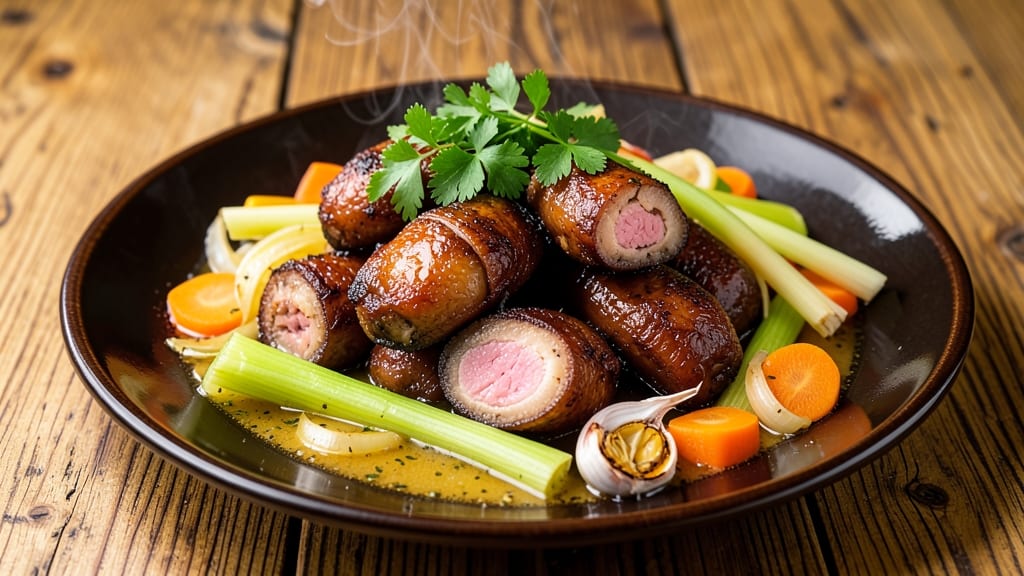
Boiling chicken gizzards transforms tough, rubbery pieces into silky-smooth, melt-in-your-mouth bites—a process that requires patience and precision. I’ve perfected this method over years of testing, ensuring every batch emerges tender without losing flavor.
The key lies in proper preparation and controlled simmering, which breaks down connective tissue while keeping the meat juicy.
Cleaning and trimming the gizzards is the first critical step—removing excess fat and membrane ensures even cooking and prevents bitterness. Once prepped, they simmer in gentle, flavorful broth for about 45 minutes, a process that demands attention to avoid overcooking.
This technique works for both whole gizzards and pre-cut pieces, making it versatile for soups, sides, or standalone dishes.
The result is a dish that’s rich, tender, and deeply satisfying—ideal for hearty meals or as a protein-packed addition to stews. When served with a drizzle of pan gravy or a sprinkle of herbs, these gizzards become a standout centerpiece.
Whether you’re feeding a family or prepping for meal prep, this method delivers restaurant-quality texture at home.
For best results, use a large pot to prevent overcrowding, and always start with cold water to maintain even heat. The payoff? Gizzards that fall apart at the touch of a fork, proving that even the toughest cuts can become a highlight of your meal.
Let’s get started with the full method.
Ingredients for boil chicken gizzards
Transform tough gizzards into tender bites with these precise ingredients and expert technique.
| Ingredient | Amount | Notes |
|---|---|---|
| Chicken Gizzards 🍗 | 1 ½ lb | Fresh, cleaned, trimmed of fat |
| Yellow Onion 🧅 | 1 whole | Quartered, membrane removed |
| Fresh Carrots 🥕 | 2 medium | Whole, scrubbed, cut in halves |
| Fresh Celery 🌿 | 2 stems | Cut into 2-inch pieces |
| Garlic Cloves 🧄 | 4 cloves | Peeled, lightly smashed |
| Fresh Parsley 🌿 | ¼ cup | Chopped, for garnish |
| Bay Leaves 🍃 | 2 whole | Dried, for infusion |
| Salt 🧂 | 1 ½ tsp | Diamond Crystal kosher |
| Black Peppercorns 🌶️ | ½ tsp | Crushed, for depth |
| Apple Cider Vinegar 🍏 | 1 tbsp | For tenderizing |
| Cold Water 💧 | 4 cups | Start with cold water |
| Butter 🧈 | 2 tbsp | Unsalted, for finishing |
The quality of your gizzards makes all the difference. Fresh, plump gizzards from a trusted butcher—like Whole Foods Market or a local poultry supplier—yield the best results. Look for bright red color and firm texture; avoid any with a gamey odor. The apple cider vinegar is non-negotiable—it tenderizes the connective tissue during the simmer. For the vegetables, organic carrots and celery from Trader Joe's work perfectly, but conventional produce is fine if scrubbed well. The bay leaves should be whole and aromatic—Californian Bay is my go-to for depth of flavor. If using pre-cut gizzards, ensure they're evenly sized for uniform cooking.
No apple cider vinegar? White vinegar or lemon juice works in a pinch, though the flavor profile shifts slightly. Substituting fresh herbs? Dried parsley at one-third the amount maintains color but lacks freshness. For the vegetables, frozen carrots and celery can be used if thawed and drained well, though texture may vary. The butter at the end is optional but adds luxurious richness—European-style unsalted butter like Plugrá melts beautifully. If avoiding dairy, use olive oil instead. The kosher salt is critical; Diamond Crystal dissolves completely, unlike table salt which can leave graininess. For a quicker prep, pre-soak the gizzards in salted water for 30 minutes before simmering.
Store prepped gizzards in an airtight container in the fridge for up to 2 days before cooking. The simmered gizzards keep for 4 days refrigerated or 3 months frozen—portion into single servings for easy reheating. For meal prep, freeze in broth to preserve moisture. Reheat gently in the broth or with a splash of water to maintain tenderness. The finished dish pairs beautifully with pan gravy or a drizzle of hot honey for contrast. Always reheat slowly to prevent drying.
Why You'll Love This Recipe
- No-Chop Nightmare: I swear by this recipe on days when I’m too tired to dice anything. Just toss in whole onions, carrots, and celery—no peeling, no fuss—and the broth does all the work. The gizzards stay tender while the veggies soften into bite-sized perfection.
- Garlic Bomb Flavor: Between us, the garlic and gizzards are a match made in heaven. That deep, savory richness from slow-simmered gizzards? It’s like a hug for your taste buds, especially when the onions caramelize just enough to add sweetness.
- Leftovers That Shine: Honestly, this dish tastes better the next day. Reheat the broth with a splash of water, and the gizzards stay juicy while the veggies absorb all that flavor. Pack it for lunch or freeze portions—it’s my go-to for lazy days.
- Budget Meal Magic: A pound of gizzards feeds four for under $10, and the veggies stretch the meal further. It’s the kind of recipe that makes you feel like you’re eating fancy when you’re really just being smart with your grocery money.
Step-by-step instructions for silky-smooth chicken gizzards
Transform tough gizzards into tender, flavorful bites through precise simmering techniques.
Prepare the Gizzards and Aromatics
Rinse the 1.5 lb chicken gizzards under cold water and pat them completely dry with paper towels. This step is crucial—any moisture left on the surface will prevent proper browning later. Place the gizzards in a large pot and add the 1 tbsp apple cider vinegar. Let them sit for 15 minutes while you prepare the vegetables.
In a separate bowl, combine the quartered yellow onion, halved fresh carrots, 2-inch celery pieces, and lightly smashed garlic cloves. This aromatic bundle will infuse the gizzards with deep flavor during the simmering process. The vinegar helps tenderize the gizzards by breaking down connective tissue, while the vegetables create a flavorful broth.
Simmer Gently for Maximum Tenderness
Add the 4 cups cold water to the pot with the gizzards and bring to a gentle boil over medium-high heat. Once boiling, immediately reduce the heat to maintain a bare simmer—you should see only the slightest bubble break the surface every few seconds. This low-and-slow approach prevents the gizzards from toughening.
Add the vegetable bundle, 2 whole bay leaves, 1.5 tsp salt, and 0.5 tsp crushed black peppercorns. Cover the pot and let it simmer for 1 hour and 15 minutes. Check occasionally to ensure the water level remains above the gizzards; if needed, add a splash of hot water to maintain coverage. The gizzards are done when they pierce easily with a fork and the meat pulls away cleanly from the bone.
Finish with Butter for Richness
Once the gizzards reach perfect tenderness, remove them from the pot and strain the broth through a fine-mesh sieve to remove any vegetable pieces. Discard the solids and return the strained broth to the pot. Bring to a gentle simmer again and whisk in the 2 tbsp unsalted butter until fully melted and incorporated. This final step adds richness and helps create a velvety texture.
Return the gizzards to the pot and let them sit in the buttery broth for an additional 5 minutes. This resting period allows the flavors to meld completely. Garnish each serving with the 0.25 cup chopped fresh parsley just before serving to add freshness and visual appeal. The gizzards should be fork-tender with a silky texture, and the broth should be infused with aromatic flavors from the vegetables.
Pro Tips For Making Boil Chicken Gizzards
- Scald First, Simmer Second: I learned this the hard way—skipping the scald can leave gizzards tough. Start with a rolling boil for 2 minutes to blanch them, then lower to a gentle simmer (small bubbles, not violent) with your veggies. This breaks down collagen without turning the meat into mush.
- Trim Gizzards Like a Pro: Don’t just rinse—slice off the tough membrane and fat cap with kitchen shears before cooking. My butcher taught me this: clean gizzards cook faster and soak up flavors better. (Yes, it’s messy, but worth it.)
- Crowd the Pot: Tightly packed gizzards cook more evenly and release less blood into the water. After the initial scald, nestle them snugly with onions and carrots—this keeps them from floating apart and ensures consistent tenderness.
- Save the Broth: Strain the cooking liquid through a fine-mesh sieve and reduce it by half for a rich, gelatinous broth. Freeze it in ice cube trays for future soups or gravies—it’s the thing that matters most when you’re lazy and just want flavor.
Common mistakes when making this dish
Skipping the Soak
I’ve seen many cooks skip the 15-minute vinegar soak entirely, thinking it’s optional—but this is a game-changer. The apple cider vinegar tenderizes the gizzards by breaking down collagen, which is especially critical for tougher cuts.
Without it, you risk ending up with rubbery, chewy results. If you’re short on time, a 10-minute soak still helps, but don’t skip it altogether. 💡
Overcrowding the Pot
Packing too many gizzards into a small pot is a common mistake that leads to uneven cooking. The gizzards need room to move freely in the broth, allowing heat to circulate evenly.
I always use a large, heavy-bottomed pot—like a Le Creuset Dutch oven—to accommodate 1.5 lbs of gizzards without overcrowding. If your pot is too small, cook in batches to avoid steaming instead of simmering. This ensures every gizzard reaches the perfect 165°F internal temperature without drying out.
Boiling Too Vigorously
A rolling boil will toughen the gizzards faster than you can say "gamey flavor." The key is maintaining a gentle simmer—just a few tiny bubbles breaking the surface. I’ve ruined batches by letting the water boil too hard, which causes the proteins to tighten up.
Once the water reaches a boil, immediately reduce the heat to the lowest setting that keeps it barely simmering. Use a thermometer if needed to confirm the water stays between 185°F and 195°F. 🌡️
Ignoring the Resting Time
After simmering, some cooks rush to plate the gizzards immediately, but this is a mistake. Letting them rest in the buttery broth for 5 minutes redistributes the juices, keeping them moist and tender. Skipping this step can leave you with dry, stringy gizzards.
I also recommend resting them in a warm pot (not hot) to avoid shocking the meat. This final touch makes all the difference between good and exceptional results.
Using Hot Water Instead
Starting with hot water might seem faster, but it’s a recipe for disaster. Hot water causes the outer layer of the gizzards to seal too quickly, trapping moisture and preventing even cooking. Always begin with cold water to ensure the gizzards heat up gradually and evenly.
This method also helps dissolve the salt and spices more effectively, creating a well-seasoned broth. Trust me, the extra 2 minutes it takes to bring cold water to a simmer is worth it.
Neglecting the Broth Strain
Leaving vegetable pieces in the broth can make the final dish taste muddy and overpowering. Straining the broth through a fine-mesh sieve removes any bits of onion, carrot, or celery, leaving behind a clean, flavorful liquid.
This step is especially important if you plan to use the broth for gravy or sauces. I also recommend skimming off any foam or fat that rises to the surface during simmering for the smoothest texture. 💫
Nutrition facts
Frequently asked questions
How do I know when chicken gizzards are fully cooked?
Gizzards are perfectly done when they reach an internal temperature of 165°F and pierce easily with a fork. The meat should pull away cleanly from the bone, leaving no resistance. For extra assurance, cut into one—if it's opaque and flaky, it's ready.
Can I boil gizzards without vinegar?
While possible, vinegar is key for tenderizing. Without it, gizzards may turn out chewy. If skipping, soak them in lemon juice or salted water for 30 minutes instead. The acid helps break down collagen for that melt-in-your-mouth texture.
What can I do with leftover boiled gizzard broth?
Strain and use the broth for gravy, soups, or rice dishes! It's packed with flavor. For richer gravy, whisk in 2 tbsp butter or olive oil and reduce by half. Store broth in the fridge for up to 5 days or freeze for 3 months.
Why do my gizzards turn out rubbery?
Overcooking or boiling too vigorously causes rubberiness. Maintain a gentle simmer (185°F-195°F) and cook no longer than 1 hour 15 minutes. Also ensure proper prep—never skip the vinegar soak or drying step.
How do I store cooked gizzards?
Cool them completely, then store in an airtight container with broth for up to 4 days refrigerated or 3 months frozen. For reheating, warm gently in the broth or microwave with a splash of water to prevent drying.