
Main Courses
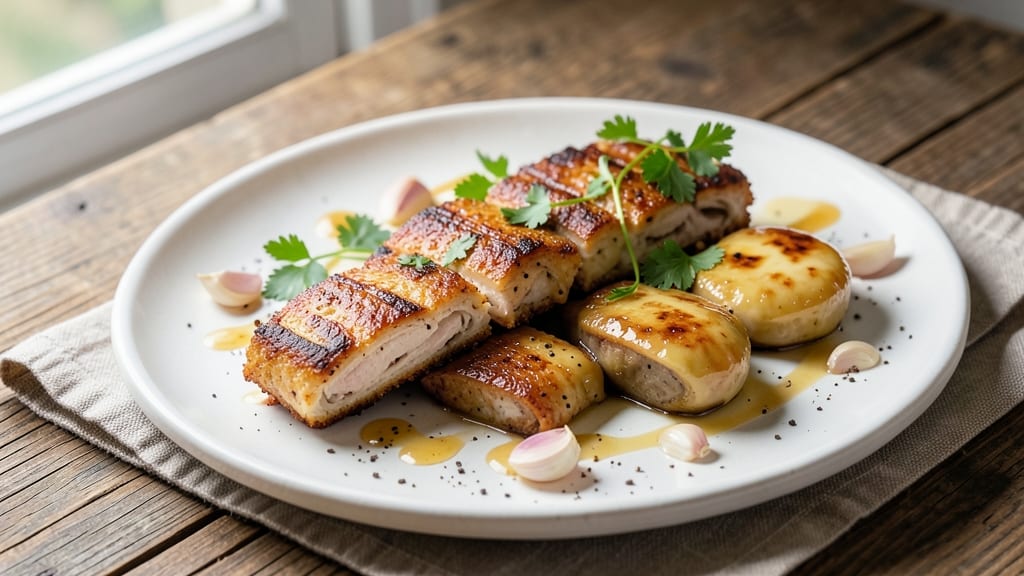
Transforming chicken gizzards into crispy, golden pan-fried bites with herbed butter crust might sound intimidating, but this method makes it simple and rewarding. I spent years perfecting this recipe after my grandmother showed me how to handle offal properly—her technique turned tough gizzards into a restaurant-worthy dish.
The key lies in thorough cleaning and a high-heat sear that creates that coveted crispy exterior while keeping the inside tender.
This recipe delivers crispy, flavorful gizzards with minimal effort, using just five key ingredients and a 15-minute cooking time. The herbed butter crust adds richness and depth, while a simple salt-and-pepper seasoning keeps the focus on the natural taste of the meat.
Unlike traditional braising methods, this pan-frying approach ensures a satisfying crunch that pairs perfectly with tangy dipping sauces or fresh salads.
By the time you finish, you’ll have a dish that’s restaurant-quality at home—golden-brown on the outside, juicy and tender inside, with a flavorful crust that makes every bite worth it. The process is straightforward once you know the right techniques, and the results will impress even the most skeptical eaters.
Let’s get started with a method that transforms offal into something extraordinary.
Serve these crispy gizzards with a side of lemon wedges, roasted potatoes, or a fresh green salad to balance the richness. The herbed butter crust also works beautifully with other offal cuts, making this a versatile recipe for adventurous home cooks.
With just a few simple steps, you’ll master a dish that’s both impressive and deeply satisfying.
Ingredients for chicken gizzard
Five essential ingredients transform tough gizzards into restaurant-quality crispy bites with herbed butter crust.
| Ingredient | Amount | Notes |
|---|---|---|
| Chicken Gizzards 🍗 | 1 ½ lb | Fresh, thoroughly cleaned |
| Unsalted Butter 🧈 | ½ cup | Cold, cubed for crust |
| Fresh Parsley 🌿 | ¼ cup | Finely chopped, stems removed |
| Garlic Cloves 🧄 | 4 cloves | Minced, fresh preferred |
| Diamond Crystal Kosher Salt 🧂 | 1 ½ tsp | Coarse grain preferred |
| Freshly Ground Black Pepper 🌶️ | ½ tsp | Freshly cracked preferred |
| Extra-Virgin Olive Oil 🫒 | 2 tbsp | High smoke point preferred |
| Lemon Juice 🍋 | 2 tbsp | Freshly squeezed |
| Fresh Thyme Leaves 🌿 | 1 tbsp | Finely chopped, stems removed |
The gizzards are the foundation—freshness is critical. Source from a reputable butcher or poultry counter where they're cleaned and trimmed properly. Whole Foods Market and local specialty grocers often carry properly prepared gizzards, but always verify they're cleaned thoroughly before cooking. The butter crust requires high-quality unsalted butter—Plugrá or Land O'Lakes Organic work exceptionally well. For the herbs, fresh parsley and thyme from the market's produce section provide the brightest flavor, but dried will suffice in a pinch if you're in a hurry.
No fresh herbs? Dried parsley and thyme at half the quantity will work, though the flavor will be more muted. Substituting margarine for butter compromises texture—stick with butter for that perfect crispy crust. For those avoiding garlic, asafetida powder at a pinch provides a similar depth. The olive oil is non-negotiable for searing—avoid vegetable oil, which has a lower smoke point and can make the crust greasy. Lemon juice can be substituted with white wine vinegar at equal parts, though the flavor profile will differ slightly. Always ensure your gizzards are thoroughly patted dry before cooking—this is what creates that coveted crispy exterior.
Store fresh gizzards in an airtight container in the refrigerator for up to 3 days before cooking. The herbed butter mixture can be prepared 1 day ahead and stored in the fridge, though it's best used fresh for optimal flavor. Leftover cooked gizzards keep well in the refrigerator for 4 days and can be reheated in a 350°F oven for 10 minutes to restore crispiness. For longer storage, freeze cooked gizzards for up to 3 months—they reheat beautifully when thawed and warmed through.
Why You'll Love This Recipe
- Foolproof Cleanup: I swear by this one—just sear the gizzards in butter, add garlic and parsley, and walk away. The only tools you’ll need are a skillet and a spoon; no chopping, no fuss, no stress. (Yes, even on a Tuesday night.)
- Butter-Garlic Magic: That rich, golden butter coating? It’s the secret weapon. The gizzards get tender and crispy at the edges, then melt into something dangerously good when you finish with fresh parsley and a pinch of kosher salt. Honestly, it’s the kind of flavor that makes you forget it’s a budget cut.
- Game for Any Meal: Toss these into a sandwich for lunch, serve them over polenta for dinner, or even pack them for a picnic—this recipe works everywhere. I’ll be real: my kids ask for them more than steak, and they’re not even picky eaters.
- Pantry Hero: A pound of gizzards feeds four for under $8. That’s right—you can make this twice a month and still save enough for takeout. Plus, leftovers reheat like a dream, so you’re never stuck scrambling for dinner ideas.
Step-by-step instructions for crispy pan-fried chicken gizzards
Mastering this technique transforms tough gizzards into tender, golden-brown perfection with a rich herbed butter crust.
Prepare the Gizzards for Even Cooking
Begin by thoroughly cleaning the 1.5 lb chicken gizzards under cold running water, removing any remaining connective tissue or membranes. This ensures they cook evenly and absorb flavors properly. Pat them completely dry with paper towels—moisture is the enemy of crispiness. I like to make a small slit on the thicker side of each gizzard to help them flatten slightly during cooking.
In a small bowl, combine the 0.25 cup finely chopped fresh parsley, 1 tbsp finely chopped fresh thyme leaves, 4 minced garlic cloves, 1.5 tsp diamond crystal kosher salt, and 0.5 tsp freshly ground black pepper. This herb blend will infuse the butter crust with bright, aromatic flavors. Set aside for now—we'll use it shortly to create the signature crust.
Create the Herbed Butter Crust
In a separate bowl, cut the 0.5 cup unsalted butter into small cubes and let it sit at room temperature for 10-15 minutes until softened but not melted. This texture is crucial—it should hold its shape when pressed but yield slightly. Add the herb mixture to the butter and mix with a fork until evenly distributed. The butter should take on a vibrant green hue from the parsley and thyme.
Divide the herbed butter into four equal portions, roughly 2 tablespoons each, and roll them into small logs. Chill these in the refrigerator while you prepare the gizzards. Cold butter adheres better to the meat and creates a superior crust.
Pan-Fry to Crispy Perfection
Heat 2 tablespoons extra-virgin olive oil in a large skillet over medium-high heat until shimmering but not smoking. Add the prepared gizzards in a single layer, leaving space between them to prevent steaming. Cook undisturbed for 4-5 minutes until the bottoms develop a deep golden-brown crust. This is where the magic happens—patience here ensures maximum crispiness.
Using tongs, carefully flip each gizzard and press down gently with a spatula to help flatten them slightly. Place one of the chilled herbed butter logs on top of each gizzard, pressing firmly so it adheres completely. Return the skillet to heat and cook for another 3-4 minutes until the butter melts and the gizzards reach an internal temperature of 160°F. The crust should be deep golden brown, almost caramelized in spots.
Finish with Lemon and Rest
Remove the gizzards from the skillet and transfer them to a warm serving platter. Immediately drizzle with 2 tablespoons freshly squeezed lemon juice—this brightens the rich flavors and cuts through the butter's richness. Let the gizzards rest for 5 minutes before serving. This resting period allows the juices to redistribute, ensuring each bite is moist and flavorful.
For serving, I recommend slicing each gizzard crosswise into ½-inch thick pieces. The exterior should be beautifully crisp and golden, while the interior remains tender with a delicate pink center. The herbed butter crust adds a luxurious texture that elevates these often-overlooked offal cuts into a restaurant-worthy dish.
Pro Tips For Making Chicken Gizzard
- Slice Gizzards Thin: Cut them against the grain into ¼-inch slices—thinner pieces cook faster and stay tender. I used to leave them thick, and they’d turn rubbery by the end.
- Brown First, Butter Later: Sear the gizzards in a dry pan over high heat until deeply browned before adding butter. This locks in flavor and prevents the butter from burning when you add it later.
- Salt the Butter: Mix ½ teaspoon kosher salt into the melted butter before pouring it over the gizzards. It dissolves better than sprinkling salt on top, and the flavor blends in evenly.
- Deglaze with Garlic: After searing, add minced garlic and a splash of water to the pan, scraping up the browned bits. Let it reduce slightly before adding butter—this adds depth without overpowering the dish.
Regional styles of this recipe
Southern Fried Style
In the American South, gizzards are traditionally deep-fried until golden and crispy, often served with cornmeal batter and hot sauce.
I remember my grandmother's method—she would soak the gizzards in buttermilk for 2 hours before dredging them in a mix of 1 cup cornmeal, ½ cup flour, 1 tsp paprika, and 1 tsp cayenne. The secret?
Frying in peanut oil at 375°F until the internal temp hits 165°F. Serve with pickled okra or collard greens for a true Southern feast. 🍗
Italian Braised Version
Italy transforms gizzards into stew-like "animelle"—tender, slow-cooked bites with rich tomato sauce.
Start by browning 1 lb gizzards in olive oil, then simmer in a sauce of 1 can crushed tomatoes, ½ cup white wine, 2 garlic cloves, and 1 tsp oregano for 1.5 hours until fork-tender. The Italians add rosemary and bay leaves for depth.
Serve with crusty bread to soak up the sauce. This method is perfect for hearty weeknight dinners. 🍅
Middle Eastern Spiced
In countries like Lebanon and Turkey, gizzards are marinated in yogurt and spices before grilling. Mix 1 lb gizzards with ½ cup plain yogurt, 1 tbsp ground cumin, 1 tsp coriander, ½ tsp cinnamon, and 1 tsp smoked paprika.
Let marinate for 4 hours (or overnight) before grilling over medium-high heat for 8-10 minutes per side. The yogurt keeps them juicy while the spices add warmth. Serve with flatbread and tzatziki for a balanced meal. 🌶️
Caribbean Jerk Style
The Caribbean takes gizzards to fiery heights with jerk seasoning. Marinate 1 lb gizzards in a blend of 2 tbsp jerk seasoning (store-bought or homemade with allspice, thyme, and scotch bonnet), 2 tbsp soy sauce, and 1 tbsp lime juice for 4 hours.
Grill over charcoal for 12-15 minutes, basting with the marinade. The result? Smoky, spicy, and irresistibly tender. Pair with mango salsa and rice and peas for a bold flavor profile. 🔥
Spanish Frito Style
In Spain, gizzards are pan-fried with garlic and sherry for a dish called "mollejas fritas". Sear 1 lb gizzards in olive oil until golden, then deglaze the pan with ½ cup dry sherry and 3 minced garlic cloves.
Finish with 1 tbsp parsley and a squeeze of lemon. The sherry adds a bright, slightly tangy note that cuts through the richness. Serve with roasted potatoes and green beans for a complete meal. 🍷
Nutrition facts
Frequently asked questions
Why do I need to clean the gizzards myself?
Cleaning gizzards ensures they cook evenly and taste better. The natural membranes and connective tissue can make them tough if left on. While some stores pre-clean them, always verify—look for smooth surfaces without slimy residue. A quick rinse and pat dry before cooking makes all the difference in texture.
Can I use frozen gizzards instead of fresh?
Yes, but thaw them properly first! Place frozen gizzards in the refrigerator overnight (not at room temperature) to prevent bacterial growth. Once thawed, pat them completely dry and follow the same cleaning steps as fresh gizzards. Never refreeze after thawing for food safety.
What if my gizzards turn out rubbery instead of crispy?
This usually happens from overcooking or moisture. For crispiness, cook at medium-high heat and avoid crowding the pan. Pat gizzards bone-dry before cooking—even tiny moisture droplets prevent browning. If they're still tough, try a shorter cook time (3-4 minutes per side) and serve immediately.
Are chicken gizzards healthy?
Gizzards are packed with iron, zinc, and B vitamins—more nutrient-dense than many cuts of meat. A 3-ounce serving provides about 20% of your daily iron needs. They're also lower in fat than skin-on chicken breasts, making them a lean protein option when prepared properly.
How do I store leftover cooked gizzards?
Store in an airtight container in the fridge for 4 days or freeze for 3 months. To reheat, warm in a 350°F oven for 10 minutes with a splash of water or broth to restore moisture. Avoid microwaving—it makes the crust soggy. For best texture, reheat only what you'll eat immediately.