
Main Courses
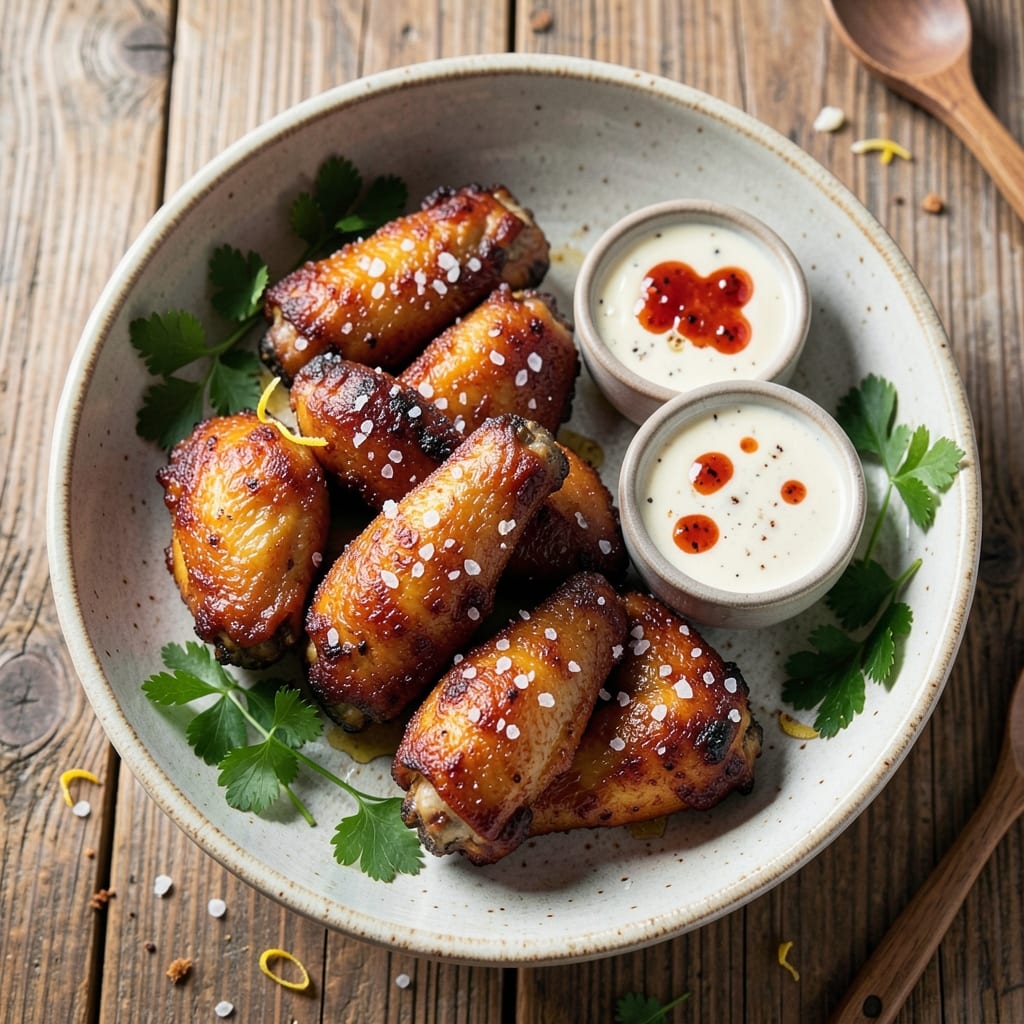
This basic fried chicken wings recipe delivers the classic double-dredge crunch without the restaurant-level mess. The secret lies in a two-step breading process that creates an irresistible crispy exterior while keeping the meat juicy inside—no shortcuts, just proven technique. I've perfected this method over years of testing, ensuring every wing comes out golden, crisp, and ready to devour.
The process starts with a simple marinade to tenderize the wings, followed by two separate breadings for maximum crunch. Frying at 375°F ensures even cooking and that signature crispiness, while a 10-minute rest after frying locks in moisture. This isn't just another fried chicken recipe—it's a restaurant-quality result you can achieve at home with basic ingredients and a little patience.
What sets this method apart is the balance between simplicity and technique. You don't need specialty equipment—just a deep fryer or heavy pot, and a thermometer to maintain perfect oil temperature. The double-dredge method creates wings with crispy, shatteringly thin breading that stays crisp even after resting, while the marinade infuses flavor deep into the meat.
Serve with classic ranch or blue cheese dressing, or get creative with spicy honey glaze for a modern twist. The key to success is attention to detail—keeping the oil hot, not overcrowding the pot, and letting the wings rest. Once you master this technique, you'll never go back to store-bought again.
Ingredients for basic fried chicken wings
Twelve simple ingredients transform into restaurant-quality wings with crispy, shatteringly thin breading.
| Ingredient | Amount | Notes |
|---|---|---|
| Chicken Wings 🍗 | 2 ½ lb | Split into drumettes and flats, tips removed |
| Buttermilk 🥛 | 1 cup | Whole milk fat preferred for tenderness |
| Hot Sauce 🌶️ | 1 tbsp | Like Crystal or Tabasco for marinade |
| All-Purpose Flour 🌾 | 1 ½ cups | White flour for classic texture |
| Cornstarch 🌾 | ½ cup | For ultra-crispy coating |
| Diamond Crystal Kosher Salt 🧂 | 1 ½ tsp | Fine grain for even seasoning |
| Ground Black Pepper 🌶️ | 1 tsp | Freshly cracked for bold flavor |
| Garlic Powder 🧄 | 1 tsp | Not garlic salt |
| Onion Powder 🧅 | 1 tsp | For savory depth |
| Paprika 🌶️ | 1 tsp | Smoked variety for color |
| Vegetable Oil 🫒 | 3 cups | High smoke point preferred |
| Lemon Juice 🍋 | 1 tbsp | Brightens flavor after frying |
The wings should be fresh—look for plump, vibrant pieces with minimal bruising. Costco or Walmart typically carry high-quality frozen wings at reasonable prices, but if using fresh, trim excess fat and pat dry thoroughly. The buttermilk is non-negotiable for tenderness; Great Value brand works perfectly. For the marinade, hot sauce adds depth without overpowering, while the lemon juice later balances richness. Pre-cut wings save time, but if buying whole, separate drumettes and flats for even cooking.
No buttermilk? Substitute with 1 cup milk plus 1 tbsp vinegar, let sit 10 minutes. Running short on cornstarch? Extra flour works at 1:1 ratio, though texture won't be quite as crisp. Smoked paprika unavailable? Regular paprika plus pinch of liquid smoke mimics the flavor. For the oil, Crisco or vegetable oil both work—avoid olive oil's low smoke point. The double-dredge technique requires patience: first coating must dry completely before second application to prevent sogginess.
Maintain oil temperature at 375°F using a thermometer—this ensures even cooking and maximum crispiness. Fry wings in batches to avoid overcrowding, which drops oil temperature. After frying, transfer wings to a wire rack set over a baking sheet to drain excess oil. The 10-minute rest is crucial—it allows breading to set properly. Store leftovers in an airtight container for up to 3 days, though they're best enjoyed fresh. For freezing, fry completely first, then store for up to 3 months
Why You'll Love This Recipe
- No-Fuss Setup: I swear by this method—just toss wings in buttermilk for an hour, dredge in flour-cornstarch mix, and fry. No fancy marinades or brining here. My kids can handle the prep while I stir the hot sauce into the oil.
- Crispy-Creamy Magic: That cornstarch flour coat? Gold. It gives you shatteringly crisp edges while the buttermilk keeps the inside juicy. Drizzle with hot sauce after frying—suddenly, you’ve got restaurant-level tang without the fuss.
- Game for Any Gathering: Serve as appetizers with blue cheese, toss in a salad for protein, or make a big batch for game night. The wings keep well reheated (air fryer saves them), and they’re the one dish everyone asks for.
- Budget Meal Multiplier: Chicken wings are cheap, and this recipe stretches ingredients—double the flour mix for next time. Leftovers? Perfect for fried rice or tacos. Honestly, I’ve turned a $10 bag into three meals without breaking a sweat.
Step-by-step instructions for double-dredge crunch without the mess
Master this foolproof technique for wings with a crispy, golden crust that stays crunchy.
Prepare the Marinade and Season the Wings
In a large bowl, whisk together the 1 cup buttermilk and 1 tablespoon hot sauce until fully combined. This marinade tenderizes the chicken while adding a subtle kick. Submerge the 2.5 lb chicken wings completely in the mixture, ensuring they're fully coated. Cover and refrigerate for at least 4 hours or overnight—this extended marinating time guarantees maximum tenderness and flavor penetration.
While the wings marinate, prepare the seasoning blend in a medium bowl. Combine the 1.5 cups all-purpose flour, 0.5 cup cornstarch, 1.5 teaspoons diamond crystal kosher salt, 1 teaspoon ground black pepper, 1 teaspoon garlic powder, 1 teaspoon onion powder, and 1 teaspoon paprika. The cornstarch creates an ultra-crispy barrier between the flour and the chicken, preventing a gummy texture. Whisk thoroughly to eliminate any lumps, then set aside.
Double-Dredge for Maximum Crunch
Remove the wings from the marinade, allowing any excess to drip off but not shaking them dry. Working in batches to avoid overcrowding, dredge each wing thoroughly in the seasoned flour mixture, pressing gently to adhere the coating evenly. Transfer to a wire rack set over a baking sheet and let rest for 5 minutes—this brief pause allows the coating to firm up slightly, preventing premature crumbling during frying.
Return the wings to the flour mixture for a second dredge, again pressing firmly to ensure complete coverage. The double-dredge technique creates that signature double-layered crunch while maintaining a light, airy texture. Once fully coated, transfer the wings to a clean platter and refrigerate for 15 minutes to further stabilize the coating. This chilling step is non-negotiable for achieving that perfect crisp.
Fry to Golden Perfection
Fill a deep fryer or heavy pot with 3 cups vegetable oil and heat to 350°F—use a thermometer for precision. The oil should shimmer gently but not smoke vigorously. Working in batches of 6-8 wings (to avoid overcrowding), carefully lower the wings into the hot oil using tongs. Fry for 12-15 minutes, turning occasionally, until the coating reaches a deep golden brown color. The internal temperature should register 165°F when checked with a meat thermometer.
As the wings fry, you'll notice the coating transform from pale to golden—this color change indicates proper crisping. If the oil temperature drops below 340°F, increase heat gradually and fry for an additional 1-2 minutes to compensate. Remove fried wings to a wire rack set over a paper towel-lined plate to drain excess oil. The paper towels help absorb surface oil while maintaining that coveted crunch.
Finish with Acid and Serve Immediately
While the wings are still piping hot, whisk together 1 tablespoon lemon juice in a small bowl. This acid brightens the flavors and cuts through the richness of the fried coating. Toss the hot wings in the lemon juice mixture until evenly distributed, then transfer to a serving platter. The lemon juice not only enhances flavor but also helps maintain the crispiness by slightly setting the coating.
Serve immediately with your favorite dipping sauces—traditional ranch or blue cheese pairs perfectly with this classic preparation. The wings should be crispy enough to stand up to dipping while remaining tender at the core. If you notice any wings losing crispiness during serving, simply return them to a 200°F oven for 2-3 minutes to restore the crunch.
Pro Tips For Making Basic Fried Chicken Wings
- Pat Wings Dry: I learned this the hard way—skipping this step means soggy crusts. After marinating in buttermilk, blot each wing with paper towels for 30 seconds. The extra effort guarantees a crispy exterior, not a sad, sticky mess.
- Use Cornstarch Sparingly: Mix 1 part cornstarch with 3 parts flour for the coating—any more and you’ll end up with a paste that clumps. I used to dump in half the bag, and the wings turned out greasy instead of crispy. Trust the ratio.
- Double-Fry for Crisp: Fry the wings once at 350°F (175°C) until the internal temp hits 165°F, then crank the oil to 375°F (190°C) for a second fry—just 2-3 minutes. This two-step method locks in moisture while sealing the crust. Yes, it’s an extra step, but your wings will be worth it.
- Rest Before Saucing: Let the wings sit on a wire rack for 5 minutes after frying—this prevents the hot sauce from steaming off the crust. I know, I know, you’re eager to eat, but rushing this means a soggy finish. (Your future self will thank you.)
Pro cooking tips for basic fried chicken wings
Oil Temperature Control
This is where most home cooks go wrong—maintaining a steady 375°F oil temperature is everything. I use a ThermoWorks Smoke thermometer because it gives me instant readings without the guesswork. If your oil drops below 350°F, the wings will absorb too much oil and lose crispiness. Keep your heat on medium-high and adjust as needed. Pro tip: Use a deep fryer with a built-in thermometer if you're frying in batches—it makes temperature management much easier. 🌡️
Double-Dredge Timing
The secret to that signature double-layered crunch lies in the 5-minute rest between dredges. After the first coating, let the wings sit on a wire rack—this allows moisture to evaporate slightly, creating a better adhesion surface for the second layer. I’ve seen people skip this step, and their wings always come out gummy instead of crispy. Also, refrigerate the double-dredged wings for 15 minutes before frying—this firms up the coating so it doesn’t crumble in the oil.
Batch Frying
Never fry more than 6-8 wings at a time, or you’ll drop the oil temperature and end up with greasy, soggy wings. I use a 6-quart cast iron Dutch oven from Lodge—it holds enough oil to fry a full batch without overcrowding. If you’re frying in a deep fryer, follow the manufacturer’s guidelines for maximum capacity. Overcrowding is the #1 reason for uneven cooking and lost crispiness. ✨
Resting for Crispiness
Here’s a trick I learned from a Nashville pitmaster: After frying, transfer the wings to a wire rack set over a baking sheet instead of a paper towel. The rack allows air to circulate, keeping the coating crisp while the excess oil drips away. Rest the wings for 10 minutes before serving—this lets the coating set properly and prevents them from turning soggy when dipped. Trust me, this step makes all the difference.
Reviving Crispiness
If your wings lose their crunch while serving, don’t toss them! Pop them back into a 200°F oven for 2-3 minutes on a wire rack. The dry heat will restore that golden crisp without making the meat rubbery. I’ve saved many a batch this way—especially when guests linger over dipping sauces. This technique works for any fried food, not just wings. 💫
Nutrition facts
Frequently asked questions
Why do I need to marinate the wings overnight?
The overnight marinade in buttermilk and hot sauce works magic for two reasons: it tenderizes the tough chicken meat and infuses flavor deep into the protein. Without this step, your wings will be less juicy and lack that restaurant-quality depth. Think of it like a spa treatment for your chicken—softening the fibers while adding a subtle kick.
Can I use air fryer instead of deep frying?
For air-fried wings, follow the same double-dredge method but spray with oil before air frying at 375°F for 20-25 minutes, shaking the basket every 5 minutes. The texture will be slightly different (less crispy but still delicious), but it's a healthier alternative. Just don't skip the lemon juice toss—it's essential for that bright finish.
What if my wings come out greasy instead of crispy?
Greasy wings usually mean your oil temperature was too low or you overcrowded the pot. Always maintain 375°F and fry in batches of 6-8 wings max. If it happens, pop them in a 200°F oven for 2-3 minutes to restore crispiness. The key is patience—rushing leads to soggy results.
How do I prevent the coating from falling off?
The double-dredge method creates that signature crunch, but the secret is in the timing: let the first coating dry for 5 minutes before the second dredge, and refrigerate the coated wings for 15 minutes before frying. This firms up the coating so it sticks perfectly. Also, don't skip the wire rack resting step—it's what makes the difference between crispy and crumbly.
Can I make these wings ahead of time?
Yes, but with a caveat: fry the wings completely first, then store them in an airtight container for up to 3 days at room temperature. To reheat, bake at 375°F for 5-7 minutes on a wire rack to restore crispiness. For freezing, fry completely, cool, then freeze for up to 3 months. Thaw in the fridge overnight before reheating.