
Sauces & Condiments
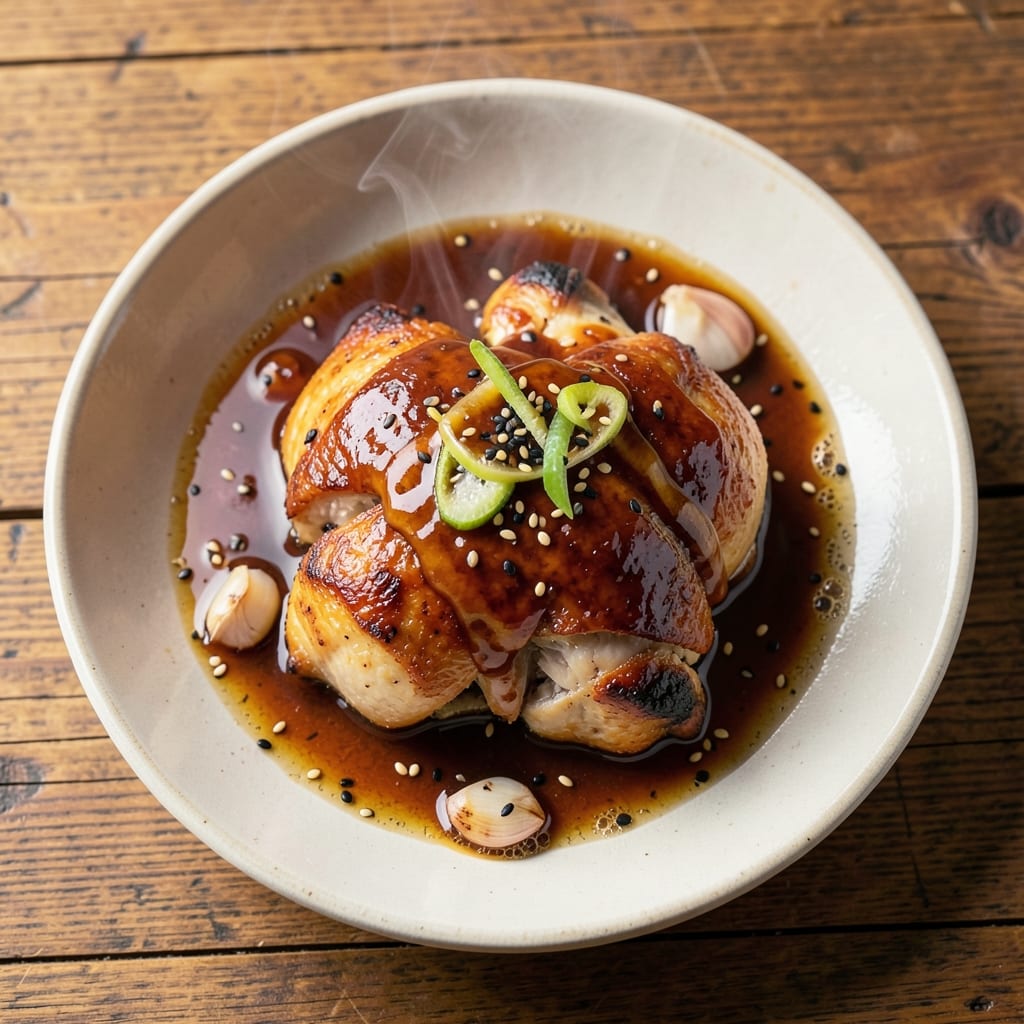
This baked chicken with teriyaki sauce delivers juicy centers and a glazed caramelized crunch that transforms weeknight dinners into restaurant-worthy meals. The secret lies in marinating the chicken for at least 2 hours—this ensures tender, flavorful bites that stay moist even after baking. For best results, use boneless thighs or breasts, as they hold up perfectly to the sauce's sweet-savory balance.
The teriyaki sauce itself is where the magic happens: a blend of soy sauce, brown sugar, garlic, and ginger simmered until thick and glossy. This isn’t just a drizzle—it’s a foolproof method for creating a sticky, caramelized glaze that clings to the chicken like a second skin. The high heat of the oven (425°F) helps achieve that coveted crispy texture while keeping the meat tender inside.
What you’ll end up with is golden-brown chicken with a glossy, sticky glaze that’s both sweet and savory, perfectly balanced. The sauce caramelizes beautifully, creating pockets of flavor in every bite. Serve with steamed rice and steamed vegetables for a complete, satisfying meal that’s ready in under an hour.
This recipe is beginner-friendly but impressive enough for company—no fancy techniques required, just a few simple steps and patience for the marinating. The result? Chicken that’s so flavorful, it’ll disappear from your plate before you can finish your side dish. Let’s get started!
Ingredients for baked chicken with teriyaki sauce
Juicy chicken and a sticky caramelized glaze—here’s what you’ll need to recreate this restaurant-worthy dish at home.
| Ingredient | Amount | Notes |
|---|---|---|
| Boneless Chicken Thighs 🍗 | 1 ½ lb | Skinless, cut into even pieces |
| Low-Sodium Soy Sauce 🥢 | ½ cup | For authentic teriyaki flavor |
| Brown Sugar 🍯 | ½ cup | Packed, light or dark |
| Garlic Cloves 🧄 | 6 cloves | Minced or finely chopped |
| Fresh Ginger 🌿 | ¼ cup | Finely grated, peeled |
| Sesame Oil 🫒 | 1 tbsp | For aromatic depth |
| Honey 🍯 | 2 tbsp | Substitute maple syrup if needed |
| Rice Vinegar 🍶 | 1 tbsp | White or seasoned |
| Olive Oil 🫒 | 1 tbsp | For greasing baking dish |
| Diamond Crystal Kosher Salt 🧂 | 1 tsp | For seasoning |
| Ground Black Pepper 🌶️ | ½ tsp | Freshly cracked |
| Sesame Seeds 🌾 | 1 tbsp | Toasted for garnish |
| Fresh Green Onions 🧅 | 4 whole | Sliced, for garnish |
The chicken is the star, so don’t cut corners here. Boneless thighs are ideal—they stay juicy even after baking, but breasts work too if you prefer. Look for organic or free-range at stores like Whole Foods or Trader Joe’s for richer flavor. The thighs should be roughly the same size for even cooking. If you’re using breasts, pound them to an even thickness. For the teriyaki sauce, low-sodium soy sauce is key—it lets the other flavors shine without overpowering. Grab a small jar of Kikkoman if you’re unsure, but any good-quality brand works.
No sesame oil? Toasted sesame seeds mixed with neutral oil works in a pinch, though it won’t have the same aroma. Substituting honey? Maple syrup or agave keeps it vegan-friendly, but the flavor will be slightly different. Fresh ginger is best, but ground ginger at half the amount will do if you’re in a hurry. The garlic can be pre-minced from a jar (no shame), but fresh is always better. For the brown sugar, light or dark both work—dark adds a hint of molasses depth. If you’re short on time, pre-made teriyaki sauce from San-J (the Asian market brand) cuts prep time in half, though homemade tastes infinitely better.
Marinate the chicken for at least 2 hours—overnight is even better. The sauce keeps in the fridge for 5 days or freezes for 3 months in an airtight container. For the chicken, store it uncovered on a wire rack in the fridge to crisp up before baking. The sesame seeds and green onions lose their vibrancy fast, so add them just before serving. Leftovers reheat beautifully—30 seconds in the microwave with a splash of water keeps the glaze glossy.
Why You'll Love This Recipe
- One-Pan Magic: I swear by this—just toss the chicken thighs on a sheet, dump the sauce, and walk away. No pots, no pans, no stress. That sticky-sweet glaze? It caramelizes right on the tray while you’re scrolling through your phone.
- Sweet-Savory Balance: The brown sugar and soy sauce team up for a sauce that’s ridiculously good—less salty, more depth. Add the garlic and ginger? Now we’re talking umami magic. Every bite has that crispy edge with tender meat underneath.
- Lunchbox Hero: Between us, this is my go-to for meal prep. Slice the chicken, pack it with rice, and you’ve got a lunch that’ll have coworkers asking for seconds. (Yes, even on a Tuesday.) The sauce keeps it juicy for days.
- Budget Win: Chicken thighs are cheap, and this recipe stretches further than takeout. Double the batch, freeze half, and you’ve got a weeknight savior. Honestly, I’ve made this for date nights, family dinners, and lazy Sundays—no excuses.
Step-by-step instructions for baked chicken with teriyaki glaze
Here's how to transform simple chicken thighs into restaurant-quality teriyaki perfection.
Marinate the Chicken for Maximum Flavor
In a large bowl, combine the 0.5 cup low-sodium soy sauce, 0.5 cup packed brown sugar, 1 tbsp sesame oil, 1 tbsp rice vinegar, 2 tbsp honey, 1 tsp diamond crystal kosher salt, and 0.5 tsp ground black pepper. Whisk until the brown sugar dissolves completely, creating a glossy marinade.
Add the 1.5 lb boneless chicken thighs to the marinade, turning to coat evenly. I like to press the thighs gently to ensure they absorb the marinade. Cover the bowl and refrigerate for at least 2 hours - overnight works best for deeper flavor. The longer it marinates, the more tender and flavorful the chicken becomes.
Prepare the Teriyaki Glaze Base
While the chicken marinates, make the glaze by mincing the 6 cloves garlic and grating the 0.25 cup fresh ginger. In a small bowl, combine these with the remaining marinade from the chicken (about 2 tablespoons). Set aside - this will form the rich glaze after baking.
Preheat your oven to 400°F and grease a baking dish with 1 tbsp olive oil. Arrange the marinated chicken thighs in a single layer in the dish, leaving about 1 inch between pieces. This spacing allows the glaze to pool and caramelize properly.
Bake Until Juicy Perfection
Bake the chicken for 20 minutes uncovered. This initial baking allows the marinade to penetrate the chicken and creates a head start on that beautiful caramelized crust. After 20 minutes, carefully pour the reserved glaze mixture over the chicken, coating each piece evenly.
Return to the oven and bake for another 15-20 minutes until the chicken reaches an internal temperature of 165°F. You'll know it's done when the edges are deep golden brown and the chicken pulls away from the baking dish easily. The glaze should be thickened but still glossy.
Finish with Crunchy Garnishes
Remove the chicken from the oven and let it rest for 5 minutes before serving. This resting period allows the juices to redistribute, ensuring each bite is moist and flavorful. While resting, toast the 1 tbsp sesame seeds in a dry skillet over medium heat for 1-2 minutes until golden and fragrant.
Slice the 4 whole fresh green onions and arrange them on plates with the chicken. Drizzle any remaining glaze from the baking dish over the top, then sprinkle with the toasted sesame seeds. The contrast of the crunchy seeds against the sticky glaze makes each bite irresistible.
Pro Tips For Making Baked Chicken With Teriyaki Sauce
- SEAR FIRST, BAKE LATER: I learned this the hard way—skipping the stovetop sear means your chicken ends up steamed instead of caramelized. Pat the thighs dry, heat your oven to 425°F (220°C), and sear them 2-3 minutes per side in a hot pan before transferring to the baking dish. The crust locks in flavor and keeps them from drying out.
- GRATE THAT GINGER: Fresh ginger loses its punch when chopped—it sits in the sauce looking pretty but doesn’t work. Use a microplane or fine grater for the peel and root, then squeeze out excess liquid with your hands. This adds depth without making the sauce watery (yes, even if you’re impatient like me).
- DON’T DROWN THE CHICKEN: Teriyaki sauce is sticky, but too much turns your baked dish into a soggy mess. Brush only half the sauce on the thighs before baking, reserving the rest for basting later. A thin, even layer ensures caramelization instead of a gloppy sauce pool.
- BROWN SUGAR HACK: Store-bought brown sugar often has clumps that won’t dissolve smoothly. Pulse it in a food processor for 10 seconds to break it down, then whisk it into the sauce while warm. This avoids grainy spots in your glaze—no one wants to bite into sugar crystals with their chicken.
Perfect pairings for this baked chicken with teriyaki sauce
Rice Pairings
Steamed jasmine rice or short-grain sushi rice is my go-to pairing—its mild, slightly sticky texture soaks up the teriyaki glaze beautifully. Cook 1 cup uncooked rice with 1.25 cups water for fluffy, individual servings. For extra flavor, add 1 tsp sesame oil to the steaming water or serve with a side of furikake (Japanese rice seasoning). 🍚
For a heartier option, try brown rice—it adds fiber and nutty depth that balances the sweet-savory teriyaki. Rinse 1 cup brown rice thoroughly, then simmer with 2.5 cups water for 45 minutes until tender. The longer cooking time makes it ideal for meal prep.
Vegetable Sides
Steamed bok choy or broccoli adds freshness and color to the plate. Blanch 1 bunch bok choy in boiling water for 2 minutes, then shock in ice water to preserve vibrant green. Toss with a pinch of Diamond Crystal kosher salt and a drizzle of sesame oil for a simple, elegant side. 🥬
For a crunchy contrast, serve quick-pickled cucumbers—slice 1 English cucumber into half-moons, then toss with 2 tbsp rice vinegar, 1 tsp sugar, and ½ tsp red pepper flakes. Let sit for 15 minutes before serving. The tangy crunch cuts through the richness of the teriyaki.
Drink Pairings
A crisp green tea like Sencha complements the umami notes in the teriyaki without overpowering. Brew 1 tbsp loose-leaf Sencha with 8 oz hot water (175°F) for 2 minutes—the light bitterness enhances the dish's sweetness. For a non-alcoholic option, try yuzu soda from Japanese markets for a citrusy zing. 🍵
If you prefer alcohol, a dry Riesling from Germany or a sake like Dassai 18 (juniory sake) pairs beautifully. The acidity in Riesling cuts through the glaze's richness, while sake's subtle sweetness mirrors the teriyaki's flavors. Serve sake chilled at 45-50°F** for the best experience.
Nutrition facts
Frequently asked questions
Can I use chicken breasts instead of thighs?
Yes, but with one key adjustment! Chicken breasts cook faster and can dry out, so pound them to ½-inch thickness and reduce baking time to 15-18 minutes total. Use the same marinade, but bake at 375°F instead of 400°F to prevent overcooking. For extra juiciness, brush with a little olive oil before marinating.
How do I make the teriyaki sauce thicker?
Simmer the sauce uncovered for 5-10 minutes to reduce it naturally. For instant thickening, mix 1 tsp cornstarch with 1 tbsp water, stir into the warm sauce, and cook for 1-2 minutes until glossy. Too thick? Thin with 1 tsp water or rice vinegar at a time until desired consistency.
Can I make this recipe in an air fryer?
Preheat to 375°F and air fry for 12-15 minutes, turning halfway. After 8 minutes, brush with reserved glaze and continue until chicken reaches 165°F. The air fryer creates a crispier exterior, but watch closely to avoid overcooking. Use a spray bottle with water to keep the glaze from sticking to the basket.
Why is my teriyaki sauce too salty?
If using store-bought soy sauce, reduce to ¼ cup and add ¼ cup water to balance. For homemade marinade, dilute with 1 tbsp honey or rice vinegar. Taste as you go—remember, the chicken absorbs some salt during marinating. If already baked, serve with extra rice or pickled veggies to cut the saltiness.
How far ahead can I marinate the chicken?
Marinate for up to 24 hours in the fridge for maximum flavor. Beyond that, the chicken may start to break down. For longer prep, make the sauce 5 days ahead and store in an airtight container. If using pre-made sauce, marinate for just 1-2 hours to avoid over-salting.