
Main Courses
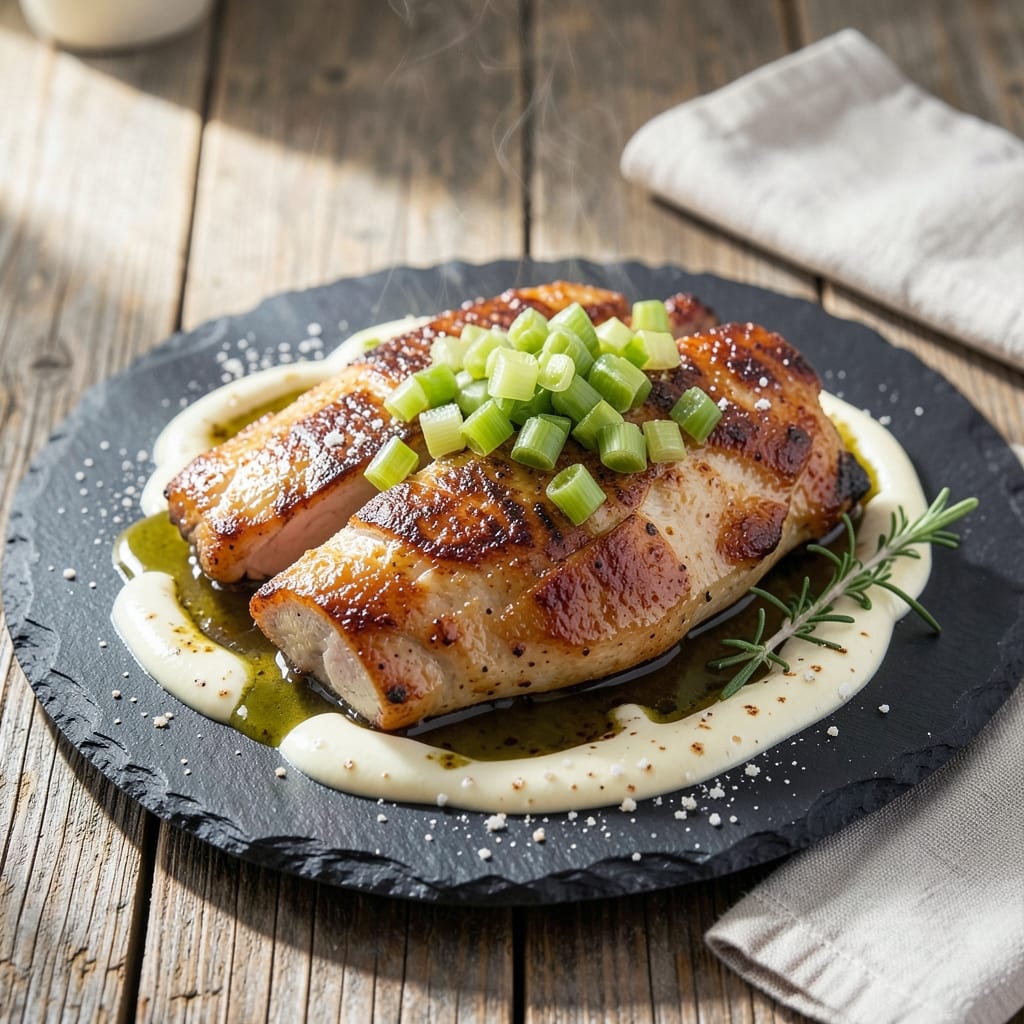
This baked chicken livers recipe transforms humble offal into a restaurant-worthy dish with celery-crusted crunch and velvety yogurt streaks. The secret lies in proper preparation—soaking the livers first eliminates bitterness while preserving their rich, iron-packed flavor. What sets this apart is the crispy celery crust that contrasts beautifully with the tender, juicy interior.
Professional chefs know chicken livers deserve careful handling, and this method delivers foolproof results every time. You'll start by soaking the livers in milk or buttermilk for 30 minutes, then pat them dry before coating in a mixture of finely chopped celery, flour, and seasonings. The baking process ensures they stay moist inside while developing that coveted crispy exterior.
What you'll end up with is a plate of golden-brown chicken livers with crispy edges and tender centers, each bite featuring delicate yogurt streaks that cut through the richness. The celery crust adds a refreshing crunch that balances the dish's natural richness, making it perfect for special occasions or when you want to elevate your dinner table.
Pair these with roasted root vegetables or a simple green salad for a complete meal that feels both elegant and approachable. The recipe scales easily for gatherings, and leftovers reheat beautifully when stored properly. Let's get started on this transformative dish!
Ingredients for baked chicken livers
Transform humble offal into a refined dish with these carefully selected ingredients designed for restaurant-quality results.
| Ingredient | Amount | Notes |
|---|---|---|
| Fresh Chicken Livers 🍗 | 1 ½ lb | Trimmed of connective tissue |
| Plain Whole Milk Yogurt 🥛 | ½ cup | Full-fat for creaminess |
| All-Purpose Flour 🌾 | ½ cup | For coating consistency |
| Celery Stalks 🧅 | 3 whole | Finely chopped, ribs removed |
| Extra-Virgin Olive Oil 🫒 | 2 tbsp | For crisping the crust |
| Diamond Crystal Kosher Salt 🧂 | 1 ½ tsp | Adjust to taste |
| Freshly Ground Black Pepper 🌶️ | ½ tsp | Cracked, not powdered |
| Fresh Lemon Juice 🍋 | 1 tbsp | Brightens flavor |
| Unsalted Butter 🧈 | 2 tbsp | Melted for basting |
| Shallots 🧅 | 2 whole | Minced for garnish |
| Fresh Parsley 🌿 | ¼ cup | Chopped for garnish |
| Heavy Cream 🥛 | ¼ cup | For yogurt streaks |
The chicken livers are the foundation—look for bright red, plump livers at your butcher or specialty market like Whole Foods or D'Artagnan. Trim any connective tissue and avoid livers with a strong metallic odor. Organic Pasture-Raised livers from Crowd Cow deliver superior flavor, though conventional livers work perfectly fine for this method. The celery should be crisp with no brown spots, and fresh parsley adds vibrant color. For the yogurt streaks, full-fat Greek yogurt from Fage or Chobani creates the richest texture.
No milk for soaking? Buttermilk or plain yogurt work equally well to mellow the bitterness. Substitute vegetable oil for olive oil if preferred, though olive oil adds subtle fruity notes. For the celery crust, leek tops or fennel fronds can replace celery if unavailable. The heavy cream in the yogurt streaks can be swapped for half-and-half or coconut cream for a lighter option. Fresh herbs? Dried parsley at one-third the amount suffices in a pinch, though fresh is ideal for presentation. Always pat livers completely dry before coating to ensure a crisp crust.
Livers keep best in the coldest part of your fridge for 2 days before soaking. Once coated, they can be refrigerated for 4 hours before baking, though immediate cooking yields the crispest crust. The finished dish reheats beautifully—350°F for 8-10 minutes restores the crispy exterior. Store leftovers in an airtight container with a paper towel to absorb moisture. Freeze for up to 3 months by wrapping individual portions in parchment. For gatherings, double the recipe—these disappear fast!
Why You'll Love This Recipe
- No-Fuss Prep: I swear by this—just toss the livers in yogurt and flour, then bake. No frying, no mess, no waiting for a pan to heat. That celery in the mix adds crunch without extra chopping.
- Rich Without Effort: The yogurt coating gives them a silky, almost custardy finish, while the olive oil keeps them juicy. Honestly, the flavor is so bold it makes me forget how little work went into it.
- Weeknight or Weekend: Make a big batch on Sunday and reheat for quick lunches all week. Or serve them at a picnic—no one will guess they’re baked, not fried.
- Budget Magic: Chicken livers are cheap, but this recipe makes them feel special. Leftovers? Just reheat in the oven until crispy again. My wallet and taste buds thank me.
Step-by-step instructions for celery-crusted chicken livers
Master this technique for perfectly crisp crusts and velvety interiors every time.
Prepare the Chicken Livers for Cooking
Begin by trimming any visible connective tissue from the 1.5 lb fresh chicken livers using a sharp knife. This ensures a tender texture rather than chewy bits. Rinse the livers thoroughly under cold water and pat them completely dry with paper towels—moisture is the enemy of crispy crusts.
In a medium bowl, whisk together the 0.5 cup plain whole milk yogurt, 0.5 cup all-purpose flour, 1.5 tsp diamond crystal kosher salt, and 0.5 tsp freshly ground black pepper until smooth. This creates the base for our coating. The yogurt adds richness while the flour provides structure for that coveted crunch. Let the mixture sit for 5 minutes to allow the flour to fully hydrate and thicken slightly.
Create the Celery Crust Mixture
Finely chop the 3 whole celery stalks, removing any fibrous ribs as you work. The goal is a texture similar to wet sand—this will create our signature crispy coating. In a separate small bowl, combine the chopped celery with 2 tbsp extra-virgin olive oil and 1 tbsp fresh lemon juice. The lemon juice brightens the celery's flavor and helps bind the mixture together.
Using your hands, gently mix the celery mixture into the yogurt-flour batter until fully incorporated. The texture should resemble wet sand with visible celery strands. This is your crusting mixture—don't overwork it or the celery will release too much moisture, compromising the crunch. Cover and refrigerate for 15 minutes while you prepare the baking dish.
Coat and Arrange the Livers
Preheat your oven to 400°F and position a rack in the middle position. Line a baking sheet with parchment paper for easy cleanup. Working quickly, dip each liver into the celery-yogurt mixture, coating it thoroughly on all sides. The coating should adhere well—if it's too loose, add 1 tablespoon of flour to thicken the batter slightly.
Arrange the coated livers in a single layer on the prepared baking sheet, spacing them about ½ inch apart. This allows for even browning and prevents steaming. For extra insurance against sticking, lightly brush each liver with 1 tbsp melted unsalted butter using a pastry brush. The butter adds richness and helps create that beautiful golden crust.
Bake to Crisp Perfection
Bake the livers for 18-22 minutes, rotating the pan halfway through for even cooking. They're done when the crust is deep golden brown and the internal temperature reaches 145°F—use an instant-read thermometer to check the thickest piece. The edges should be crisp while the interior remains moist and tender.
Remove from the oven and let rest for 5 minutes before serving. This resting period allows the juices to redistribute, ensuring each bite is moist and flavorful. The crust should hold its shape when lifted—if it crumbles too easily, your next batch needs slightly less yogurt in the coating mixture.
Garnish and Serve Immediately
While the livers rest, prepare the garnish by mincing the 2 whole shallots and 0.25 cup fresh parsley. In a small saucepan, gently warm the 0.25 cup heavy cream over low heat until just steaming—don't let it boil. Stir in the minced shallots and parsley, then remove from heat.
Drizzle the warm cream mixture over the baked livers and serve immediately. The contrast between the crisp celery crust, silky yogurt interior, and creamy garnish creates an unforgettable texture experience. Each serving should have visible celery strands in the crust and a glossy sheen from the cream mixture.
Pro Tips For Making Baked Chicken Livers
- Pat dry the livers: Chicken livers hold moisture like a sponge, and that’s the last thing you want when baking them—you’ll end up with a sad, soggy mess instead of crisp edges. Use paper towels to blot them thoroughly, and don’t skip this even if they look dry. (Yes, even if you’re impatient like me.)
- Blanch livers first: I learned this the hard way—skipping the quick blanch in boiling water for 30 seconds means bitter, chewy livers. After blanching, plunge them into ice water to stop cooking, then pat them dry again. This step removes impurities and ensures they cook evenly in the oven.
- Use cold yogurt for coating: Warm yogurt will make your flour coating turn into glue, and that’s a disaster for crispy edges. Chill the yogurt for at least 20 minutes before mixing it with flour—this guarantees a light, clingy batter that browns beautifully instead of sticking in clumps.
- Check internal temp, don’t guess: Chicken livers are small and cook fast, but they’re also prone to drying out if overdone. Pull them from the oven at 155°F (68°C) internal temp—they’ll carry over to 160°F (71°C), which is safe and tender. A meat thermometer is worth its weight in gold here.
Regional styles of this recipe
French Crêpe-Style
In France, chicken livers are often treated like a delicate canvas for rich sauces. For this approach, skip the celery crust entirely and instead pan-sear the livers in butter and shallots> until just cooked through (3-4 minutes per side). Deglaze the pan with ½ cup dry white wine and reduce by half, then finish with 2 tbsp crème fraîche and a pinch of fresh thyme. Serve atop crispy buckwheat crêpes—this classic foie de volaille technique turns livers into an elegant first course. 🍷
Italian Pan-Fried
Italy transforms chicken livers into milza in umido, a rustic dish where they're braised with white wine, garlic, and herbs. Start by soaking 1 lb livers in milk for 20 minutes, then pat dry. Sear in 2 tbsp olive oil> with 3 minced garlic cloves and 1 tbsp tomato paste> until browned. Deglaze with ½ cup dry white wine and add 1 cup chicken broth, 1 sprig rosemary, and ½ cup chopped mushrooms. Simmer 15 minutes> until tender. Finish with grated Parmesan> and serve with polenta. 🌿
Spanish Tortilla-Inspired
Spain's tortilla de sesos (brain fritter) often includes chicken livers for extra richness. Sauté 1 lb livers> in 2 tbsp olive oil> with 1 diced onion> and 2 minced garlic cloves> until browned. Whisk 4 eggs> with ½ cup milk, then combine with the livers. Cook in a skillet with 2 tbsp oil> on medium heat for 8-10 minutes per side, flipping carefully. The result is a thick, custardy fritter with tender livers throughout—perfect with a roasted red pepper sauce. 🍅
British Potted Style
Traditional British potted chicken livers> are slow-cooked in a rich sauce and served chilled in terrine molds. Sear 1.5 lb livers> in 2 tbsp butter> with 1 chopped onion> and 1 tsp mustard seeds. Deglaze with ½ cup port wine>, then add 1 cup chicken stock> and simmer 30 minutes. Blend with ½ cup crème fraîche, season, and chill in a mold. Serve with crusty bread> or crackers—this method preserves the livers' texture while infusing them with deep umami flavors. 🥖
Middle Eastern Spiced
In the Middle East, chicken livers are often marinated in yogurt and spices for a vibrant dish. Mix 1 lb livers> with ½ cup plain yogurt, 1 tbsp lemon juice, 1 tsp ground cumin, 1 tsp smoked paprika, and ½ tsp cinnamon. Let marinate 1 hour, then pan-fry in 2 tbsp olive oil> until golden. Serve with warm flatbread> and a side of tzatziki. The yogurt marinade tenderizes while the spices add warmth—this approach highlights livers' natural richness without overpowering them. 🌶️
American Southern Fried
Southern cooks often bread and deep-fry chicken livers for a crispy, indulgent bite. Dip 1 lb livers> in 1 cup buttermilk, then coat in a mix of 1 cup flour, 1 tsp paprika, and ½ tsp cayenne. Fry in 350°F oil> for 3-4 minutes> until golden. Serve with hot sauce> and cornbread. This method delivers a satisfying crunch while keeping the interior juicy—a staple at Southern brunch tables. 🍗
Nutrition facts
Frequently asked questions
Why do chicken livers need soaking before cooking?
Soaking removes bitterness and excess blood that can make livers tough. The 30-minute milk or buttermilk soak tenderizes the texture while neutralizing any metallic flavors. Pro tip: Use full-fat dairy for better flavor absorption and a creamier result.
Can I substitute yogurt in the crust for something else?
For a dairy-free option, use ½ cup unsweetened almond milk yogurt or ¼ cup aquafaba (chickpea brine) mixed with 2 tbsp cornstarch to mimic the binding properties. The celery crust will still crisp beautifully, though the texture may be slightly lighter.
What's the best way to reheat leftover baked chicken livers?
Reheat in a 350°F oven for 8-10 minutes on a wire rack to restore crispiness. Avoid microwaving—they'll turn rubbery. For extra crunch, broil for 2-3 minutes at the end. Store leftovers in an airtight container with a paper towel to absorb moisture.
How do I know when the livers are fully cooked?
They're done when the crust is deep golden brown and the internal temperature reaches 145°F. The edges should be crisp while the center remains tender—cut into one to check. Overcooking makes them dry, so use an instant-read thermometer for precision.
What's the secret to getting that perfect crispy crust?
Three key factors: completely dry livers, a thick enough coating (add flour if needed), and proper spacing on the baking sheet. The 15-minute chilling before baking also helps the crust set. For extra crunch, brush with melted butter before baking.