
Sauces & Condiments
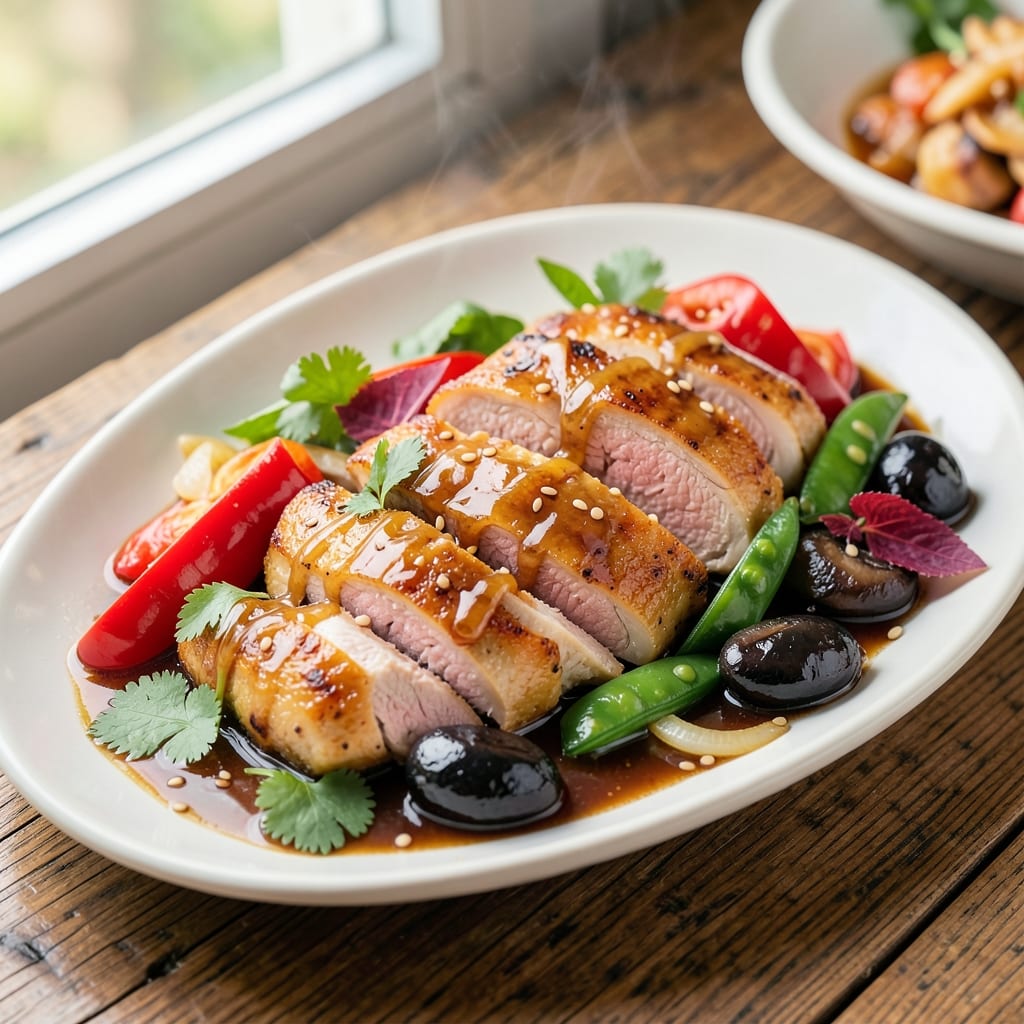
This Asian chicken stir-fry sauce recipe delivers the umami-packed glaze that transforms simple wok dishes into restaurant-quality meals. The balance of soy sauce, oyster sauce, and aromatic ginger creates depth, while a touch of honey adds just enough sweetness to complement the savory notes. I developed this sauce after years of testing—it's the one that finally delivers that perfect wok hei flavor at home.
The secret lies in the technique: simmering the sauce until it thickens slightly but remains glossy, ensuring it clings to every bite of chicken or vegetable. No artificial additives or complicated steps—just quality ingredients combined in the right proportions. This sauce works equally well for quick weeknight stir-fries or as a marinade for extra flavor infusion.
What you'll end up with is a glossy, aromatic sauce that's rich in umami but never overpowering. The ginger and garlic add warmth, while the soy and oyster sauces provide that signature Asian depth. Best of all, it keeps well in the refrigerator for up to a week, making it perfect for meal prep.
Whether you're cooking for two or feeding a crowd, this sauce delivers consistent, professional results every time. The instructions are straightforward, and the flavor balance is foolproof—no guesswork required. Let's create this versatile glaze that will elevate your stir-fries to new heights.
Ingredients for asian chicken stir fry sauce
Nine essential ingredients transform into the umami-packed glaze that makes stir-fries shine.
| Ingredient | Amount | Notes |
|---|---|---|
| Light Soy Sauce 🥢 | ½ cup | High-quality, low-sodium preferred |
| Dark Soy Sauce 🥢 | ¼ cup | For deeper color and richness |
| Oyster Sauce 🦪 | ¼ cup | Authentic Asian brand recommended |
| Fresh Ginger 🌿 | 1 tbsp | Grate finely for maximum aroma |
| Garlic Cloves 🧄 | 4 cloves | Minced for even distribution |
| Honey 🍯 | 1 ½ tbsp | Wildflower for subtle floral notes |
| Sesame Oil 🫒 | 1 tbsp | Toasted for nutty aroma |
| Rice Vinegar 🍶 | 1 ½ tbsp | White vinegar substitute works |
| Cornstarch 🌾 | 1 tsp | For perfect glossy finish |
| Water 💧 | ¼ cup | Room temperature preferred |
The soy sauces are your flavor foundation—Kikkoman light and Lee Kum Kee dark are my go-tos, but any quality brands work. Oyster sauce adds that signature depth, so don't skimp—it's what makes this sauce restaurant-quality. Fresh ginger and garlic? Non-negotiable. The ginger should smell vibrant, and the garlic cloves should be firm. Toast your sesame oil in a dry pan for 30 seconds before adding to the sauce—that nutty aroma is what elevates everything. For honey, Manuka or wildflower adds subtle floral notes that balance the soy's saltiness perfectly.
No oyster sauce? Mushroom sauce or extra soy sauce works in a pinch, but you'll lose that umami punch. Short on sesame oil? Toasted peanut oil gives a similar richness. The cornstarch is crucial for that glossy finish—don't substitute arrowroot unless you want it to thicken differently. For vinegar, apple cider vinegar adds a fruity twist if you prefer. The water should be room temperature to avoid thinning the sauce when mixed. Pro tip: Simmer the sauce uncovered for the last 2 minutes to evaporate any alcohol from the vinegar and intensify the flavors.
This sauce keeps beautifully—1 week in the fridge sealed in an airtight container. For longer storage, freeze in ice cube trays and transfer to a bag. Thaw overnight in the fridge before using. A little goes a long way—1-2 tbsp per stir-fry is perfect. Double the batch and freeze half; you'll thank me later when you're tossing together weeknight meals. The sauce also makes an amazing marinade for chicken or tofu—just add 1 tbsp of the sauce per pound of protein and let it sit for 30 minutes before cooking.
Why You'll Love This Recipe
- Five-Ingredient Magic: The pantry staples I already own—light soy, dark soy, oyster sauce—mix together in minutes. No fancy gadgets, no last-minute grocery runs. Just chop garlic and ginger (five minutes max), toss in the sauce, and boom—flavor explosion.
- Umami Bomb: That dark soy gives it depth, while the oyster sauce adds richness—like a secret hug for your taste buds. The ginger and garlic? They wake up every bite, making even store-bought chicken taste like a restaurant special.
- Weeknight Workhorse: Double the batch on Sunday, and I’ve got lunch for three days. Toss it with noodles, rice, or even eggs—it’s the sauce that turns my fridge scraps into a meal. Honestly, I’ve used it for everything from stir-fries to marinades.
- Budget Powerhouse: A jar of oyster sauce lasts months, and soy sauces? Cheap as dirt. For under five bucks, I’ve got enough sauce to feed my family for weeks. It’s the kind of recipe that makes me feel like I’m getting my money’s worth.
Step-by-step instructions for Asian chicken stir fry sauce
This sauce delivers that signature umami-packed glaze that transforms simple stir-fry into restaurant-quality magic.
Prepare the Aromatic Base
In a medium saucepan, combine the 0.5 cup light soy sauce, 0.25 cup dark soy sauce, and 0.25 cup oyster sauce. Bring to a gentle simmer over medium heat—you'll see the mixture bubble softly and begin to reduce. This initial reduction concentrates the flavors and removes any raw taste from the soy sauces.
While waiting, finely grate the 1 tbsp fresh ginger using a microplane or the smallest holes on a box grater. Mince the 4 cloves garlic as finely as possible—this ensures even distribution and prevents any chunks in your sauce. Here's the thing: fresh ginger and garlic are non-negotiable for authentic flavor. If you're using jarred ginger, it'll work in a pinch, but the texture won't be as smooth.
Build Flavor Layers with Honey and Vinegar
Add the grated ginger and minced garlic to the simmering sauce. Stir constantly for 1-2 minutes until the raw aroma disappears and you can smell that beautiful aromatic punch. This is where the magic starts happening—the ginger will soften slightly while the garlic infuses its sharp, sweet notes.
Next, pour in the 1.5 tbsp honey and 1.5 tbsp rice vinegar. Stir well to combine, then reduce the heat to low. The honey will begin to dissolve into the sauce, creating a subtle sweetness that balances the salty umami. The vinegar adds a bright acidity that cuts through the richness. Let the mixture simmer gently for 3-4 minutes, stirring occasionally, until it begins to thicken slightly. You're looking for a consistency that coats the back of a spoon but isn't syrupy yet.
Create the Glossy Finish with Cornstarch Slurry
In a small bowl, whisk together the 1 tsp cornstarch and 0.25 cup water until completely dissolved. This is your thickening agent—cornstarch creates that signature glossy sheen while keeping the sauce smooth. Pour the slurry into the saucepan with a slow, steady stream while stirring constantly with a wooden spoon.
Increase the heat to medium-low and let the sauce simmer for 2-3 minutes until it reaches your desired consistency. You want it thick enough to coat the back of a spoon but still fluid enough to drizzle over your stir-fry. If it thickens too quickly, add 1 teaspoon of water at a time until perfect. The sauce should be glossy with a beautiful deep brown color from the dark soy sauce.
Finish with Sesame Oil for Depth
Remove the sauce from heat and let it cool slightly for 1 minute. This resting period allows the flavors to meld together. Then, drizzle in the 1 tbsp sesame oil while stirring continuously. The sesame oil adds a nutty aroma and rich depth that elevates the sauce from good to extraordinary.
Taste and adjust the seasoning if needed. You might want to add a pinch more salt if your soy sauces were particularly low-sodium, or a splash more rice vinegar if you prefer more brightness. Here's the moment that matters: the sauce should be perfectly balanced—salty, sweet, umami-rich, with just a hint of tang. Let it cool completely before using, or it will continue to thicken as it sits. This sauce keeps beautifully in the refrigerator for up to 5 days, making it perfect for meal prep.
Pro Tips For Making Asian Chicken Stir Fry Sauce
- COOK GINGER FIRST: Fresh ginger burns faster than garlic—start with it on medium heat until it’s just fragrant, not brown. I learned this the hard way after ending up with a bitter, overcooked sauce that ruined the whole dish.
- USE DARK SOY FOR DEPTH: Skip the dark soy if you’re in a rush, but it’s the thing that matters most for that rich, caramelized flavor. A single tablespoon adds complexity without overpowering—just stir it in last to let the other aromatics shine.
- MINCE GARLIC FINE: Roughly chopped garlic cloves won’t disappear into the sauce like you want. Mince them into tiny, almost paste-like pieces so they dissolve smoothly—no one wants to bite into a surprise garlic chunk.
- TASTE BEFORE THICKENING: Some recipes say to add cornstarch first, but I skip that step and taste the sauce raw. If it’s too thin, a quick mix of 1 tsp cornstarch + 1 tbsp water fixes it—no guessing, no over-slurping.
Regional styles of this dish
Cantonese-Inspired Glaze
This version leans heavily on oyster sauce and dark soy sauce for that classic Cantonese restaurant flavor. I use Kikkoman light soy sauce and Lee Kum Kee oyster sauce for authenticity, but any quality brands work. The key is simmering the sauce longer—8-10 minutes—to develop deeper caramelized notes. Add a splash of Shaoxing wine (about 1 tbsp) when combining the soy sauces for extra complexity. This version works perfectly with char siu pork or steamed dumplings. 🍜
Sichuan Spicy Kick
For heat lovers, this variation swaps honey for 1 tbsp chili bean paste and adds 1 tsp doubanjiang (fermented chili bean paste) along with the garlic. I also include ½ tsp Sichuan peppercorns, lightly toasted and ground, for that signature numbing spice. Balance the heat with an extra ½ tbsp honey to mellow the burn. This sauce pairs beautifully with stir-fried chicken thighs or tofu. 🌶️
Japanese Teriyaki Twist
Transform this sauce into a teriyaki-style glaze by reducing the soy sauces to ¼ cup total and adding 2 tbsp mirin and 1 tbsp sake when simmering. Replace the rice vinegar with 1 tbsp white miso paste for umami depth. The result is a sweeter, slightly thicker sauce perfect for grilled chicken skewers or salmon. I finish with ½ tsp toasted sesame seeds for texture. 🍶
Thai-Inspired Sweet-Chili
Give it a Thai-inspired makeover by adding 1 tbsp fish sauce and 1 tbsp sweet chili sauce (like Maesri) when combining the soy sauces. Swap honey for 1 tbsp palm sugar and add ½ tsp lime zest at the end for brightness. This version works amazingly with shrimp stir-fries or rice noodles. The lime zest adds a fresh contrast to the rich umami flavors. 🍋
Korean Gochujang Fusion
For a Korean-inspired version, stir in 1 tbsp gochujang (Korean chili paste) with the garlic and ginger. Replace the rice vinegar with 1 tbsp apple cider vinegar and add ½ tsp toasted sesame seeds at the end. This sauce is perfect for bulgogi-style chicken or kimchi fried rice. The gochujang adds a deep, spicy-sweet dimension that’s hard to resist. 🔥
Vegetarian Umami Boost
For a vegetarian version, replace the oyster sauce with 2 tbsp mushroom sauce or 1 tbsp vegetarian oyster sauce. Add 1 tsp nutritional yeast for extra umami depth. This version works wonderfully with tofu, bell peppers, and broccoli stir-fries. The nutritional yeast gives it that savory richness without animal products. 🌱
Nutrition facts
Frequently asked questions
Can I make this sauce without oyster sauce?
Yes! For a vegetarian version, replace the oyster sauce with 2 tablespoons mushroom sauce or 1 tablespoon vegetarian oyster sauce. Add 1 teaspoon nutritional yeast for extra umami depth. The flavor won't be identical, but it'll still deliver that rich, savory profile.
How can I adjust the sweetness level?
Start by reducing the honey to 1 tablespoon if you prefer less sweetness. For more sweetness, increase to 2 tablespoons or swap honey for palm sugar (common in Thai-inspired versions). Taste as you go—the sauce should balance sweet, salty, and umami flavors harmoniously.
Will this sauce work for other proteins besides chicken?
This sauce pairs beautifully with tofu, shrimp, or even beef. For tofu, add 1 teaspoon cornstarch to the marinade to help it absorb flavors. With beef, reduce the honey slightly (1 tablespoon) to complement the meatier taste. The umami-rich base adapts to any protein.
Can I make this sauce in advance?
Yes, this sauce keeps well in the fridge for up to 5 days in an airtight container. For longer storage, freeze in ice cube trays, then transfer to a freezer bag. Thaw overnight in the fridge before using. The flavors actually deepen over time, making it perfect for meal prep!
What's the secret to getting the glossy finish?
The cornstarch slurry is key! Whisk 1 teaspoon cornstarch with ¼ cup water until smooth, then stir it into the simmering sauce. Simmer for 2-3 minutes until it thickens to a glossy consistency. Avoid overcooking—the sauce should coat the back of a spoon but remain pourable.