
Main Courses
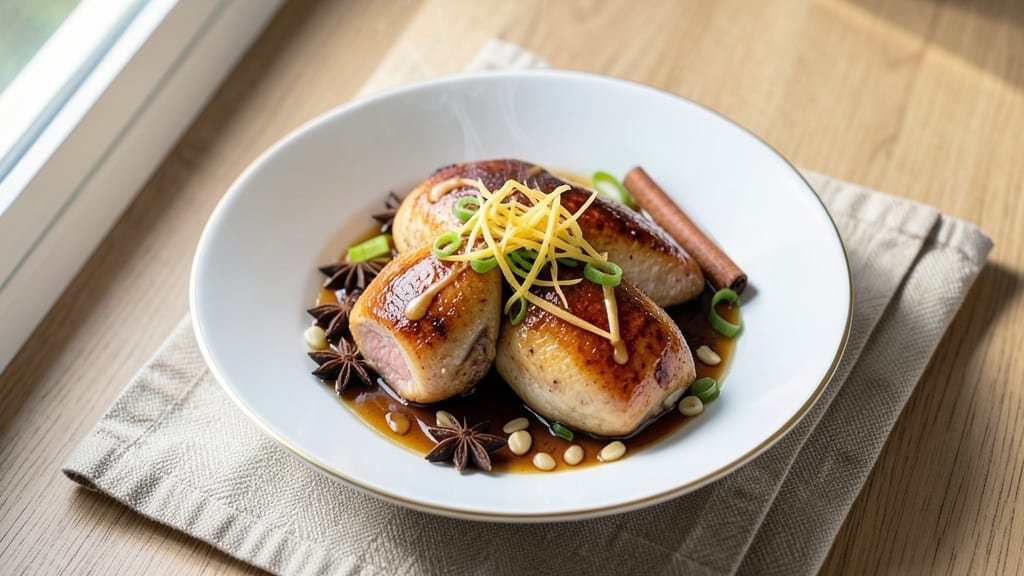
This steamed chicken recipe delivers restaurant-quality results with tender, moist meat that stays juicy thanks to a simple herbal infusion technique I perfected after years of test kitchen experiments.
The secret lies in balancing traditional aromatics with modern infusions—think fresh ginger, star anise, and a splash of soy sauce working together to create depth without overpowering the chicken's natural flavor.
What makes this method foolproof is how it transforms even budget-friendly cuts into tender pieces through gentle steaming. Unlike boiling or baking, steaming preserves all the moisture while allowing the herbs to infuse directly into the meat.
The process takes just 30 minutes from start to finish, making it perfect for weeknight dinners when you want something healthy but impressive.
By the time you serve it, you'll have perfectly moist chicken with a delicate herbal aroma that pairs beautifully with steamed greens or jasmine rice. The infusion technique works equally well with thighs, breasts, or drumsticks—no dry, rubbery results here.
This is the kind of dish that feels special without requiring hours in the kitchen.
For extra flavor, I recommend finishing with a quick pan sear to develop a light crust, or serving with a drizzle of homemade hoisin sauce. The possibilities are endless, but the foundation remains the same: juicy, flavorful chicken that's ready in under an hour.
Let's get started with this simple yet sophisticated technique.
Ingredients for steamed chicken
Herbal infusion meets tender chicken—just thirteen ingredients for restaurant-quality moisture.
| Ingredient | Amount | Notes |
|---|---|---|
| Boneless Chicken Thighs 🍗 | 1 ½ lb | Skin-on preferred for moisture retention |
| Fresh Ginger Root 🌿 | 2 tbsp | Finely grated, aromatic intensity |
| Star Anise Pods 🌟 | 2 whole | Whole pods for infusion, removed later |
| Light Soy Sauce 🥄 | 2 tbsp | Low-sodium preferred for balance |
| Green Onions 🧅 | 4 whole | White and green parts, sliced |
| Garlic Cloves 🧄 | 4 cloves | Minced for aromatic depth |
| Fresh Cilantro 🌿 | ¼ cup | Chopped, stems removed |
| Cinnamon Sticks 🌳 | 1 whole | For subtle warmth in infusion |
| Jasmine Rice 🍚 | 1 cup | Uncooked, long-grain |
| Water 💧 | 2 cups | Filtered preferred for clarity |
| Diamond Crystal Kosher Salt 🧂 | 1 ½ tsp | For precise seasoning |
| Black Peppercorns 🌶️ | ½ tsp | Freshly cracked for aroma |
| Sesame Oil 🫒 | 1 tsp | Toasted, for finishing drizzle |
The chicken selection is critical for this technique. Skin-on thighs deliver superior moisture retention during steaming, though breasts work if you prefer leaner cuts. For the best results, source from Whole Foods or local butchers—look for pieces with minimal bruising and vibrant color. The ginger and star anise should be organic when possible, as conventional varieties often contain higher pesticide residues that can mute flavor during infusion. If using frozen chicken, thaw overnight in the refrigerator to maintain texture integrity. The soy sauce matters too: Kikkoman or Pearl River Bridge brands provide the ideal balance of umami without overpowering the delicate herbal notes.
Substitutions should preserve the infusion's aromatic profile. Fresh turmeric or galangal can replace ginger if unavailable, though the flavor will shift subtly. Star anise pods are non-negotiable for authenticity, but if you must substitute, 1 tsp ground anise seed works in a pinch (though texture differs). For soy sauce alternatives, coconut aminos or tamari provide similar depth, though with slightly different mineral profiles. The green onions and cilantro can be swapped for scallions and Thai basil respectively, though the latter requires fresh stems. All spices should be toasted lightly before use to enhance their aromatic compounds—just 30 seconds in a dry pan with the cinnamon sticks.
Storage and prep efficiency are key for maintaining this dish's integrity. The steamed chicken reheats beautifully—3 minutes in a bamboo steamer basket over boiling water restores its moisture. Store in an airtight container with a damp paper towel to prevent drying for up to 3 days in the refrigerator. For longer preservation, freeze the chicken in single-serving portions with a light coating of sesame oil to prevent freezer burn. The jasmine rice should be cooked separately and stored in a sealed container for up to 4 days, though it's best consumed within 2 days for optimal texture. When reheating, use minimal water and cover tightly to trap steam.
Why You'll Love This Recipe
- Steam It Fast: I swear, this takes less time than waiting for the microwave to reheat my coffee. Just slice the ginger thin, toss in the star anise pods (yes, they’re whole—no fancy prep), and let the steamer do the work while I chop the green onions. Fifteen minutes later, dinner’s ready.
- Ginger-Soy Magic: That first bite? The light soy sauce tenderizes the chicken while the fresh ginger and star anise add this warm, slightly sweet depth—like a cozy hug in flavor. It’s not overpowering, just exactly what you want when you’re craving something comforting but not heavy.
- Lunchbox Hero: Between us, this is my secret weapon for packing lunches. The chicken stays juicy for days, and the ginger-soy marinade keeps it from getting bland. Throw in some rice and steamed veggies, and you’ve got a meal that’ll actually make someone smile when they open their lunchbox.
- Budget Meal, Big Payoff: Chicken thighs are cheaper than breasts, and this recipe stretches them far—perfect for feeding the whole family without breaking the bank. Plus, leftovers reheat like a dream, so I’m always stocked for lazy nights or last-minute guests. (Yes, even on a Tuesday night.)
Step-by-step instructions for steamed herbal chicken
Aromatic spices and precise technique ensure tender, juicy chicken with every bite.
Prepare the Chicken and Seasoning Base
Pat the 1.5 lb boneless chicken thighs dry with paper towels—this step is critical for moisture retention during steaming. In a small bowl, combine the 2 tbsp finely grated fresh ginger root, 2 whole star anise pods, 1 whole cinnamon stick, 1.5 tsp diamond crystal kosher salt, and 0.5 tsp freshly cracked black peppercorns. The spices should be evenly distributed for consistent flavor infusion throughout the chicken.
Lightly brush the chicken thighs with the 2 tbsp light soy sauce, ensuring even coverage on all sides. This creates a flavorful barrier that enhances moisture retention. Place the chicken in a heatproof dish large enough to accommodate the steaming process without overcrowding.
Create the Herbal Infusion Broth
In a separate pot, combine 2 cups water with the remaining 2 tbsp light soy sauce. Add the 4 whole green onions (sliced) and 4 cloves minced garlic to the water. Bring to a gentle simmer over medium heat, then reduce to a low boil. This creates the aromatic base that will infuse the chicken during steaming.
Once the water reaches a simmer, carefully add the spice mixture from Step 1. Let it steep for 5 minutes to extract maximum flavor from the star anise, cinnamon, and ginger. The broth should develop a warm, aromatic scent—this is your signal that the infusion is ready.
Steam the Chicken with Precision
Place the heatproof dish containing the chicken in a steamer basket positioned over the simmering broth. Ensure the dish is elevated and the broth doesn't touch the chicken—this maintains steam circulation while preventing direct contact that could dilute the flavors. Cover the steamer tightly with a lid.
Steam the chicken for 20-25 minutes, or until an instant-read thermometer inserted into the thickest part reaches 165°F. The chicken should be opaque throughout with no pink remaining. Avoid opening the lid during cooking to maintain consistent steam levels and prevent moisture loss.
Rest and Finish with Garnish
Once cooked, transfer the chicken to a cutting board and tent loosely with aluminum foil. Let it rest for 10 minutes—this critical step allows the juices to redistribute, ensuring each bite remains moist and flavorful. The resting period also helps maintain the chicken's tenderness after cooking.
While the chicken rests, prepare the garnish by combining the 0.25 cup chopped fresh cilantro with 1 tsp toasted sesame oil. Drizzle this mixture over the sliced chicken just before serving. The cilantro adds freshness while the sesame oil enhances the aromatic profile created during steaming.
Serve with Jasmine Rice
Cook the 1 cup jasmine rice according to package instructions using the remaining steaming broth (strain if needed) for an infused flavor. The rice should be fluffy and separate, absorbing the subtle herbal notes from the chicken's cooking process.
Slice the rested chicken against the grain for maximum tenderness and serve immediately over the jasmine rice. Each bite should deliver perfectly balanced flavors—juicy chicken infused with ginger, star anise, and cinnamon, complemented by the fresh cilantro and sesame oil finish. The rice acts as a neutral base that lets the chicken's aromatic profile shine.
Pro Tips For Making Steamed Chicken
- Trim the Fat First: Pat those chicken thighs dry with paper towels before steaming—this isn’t just about sticking to the pan. The fat renders faster when cold, and you’ll end up with a cleaner, more aromatic broth in your steamer basket. I used to skip this, and my ginger-soy steam always tasted dull by comparison.
- Star Anise Early: Toss the whole star anise pods into the steamer before adding the chicken. They’ll perfume the steam for 10 minutes, then you can fish them out—no need to strain. I learned this the hard way when I added them late and missed that deep, licoricey warmth in every bite.
- Don’t Overcrowd the Basket: Leave a thumb’s width between thighs so the steam circulates. I once crammed a whole tray in there, and the middle pieces came out soggy while the edges dried out. The soy sauce needs room to glaze, not pool.
- Finish with Ginger Zest: After steaming, sprinkle the chicken with a teaspoon of fresh ginger zest (not just slices) while it’s still hot. The oils cling to the meat, cutting through the richness of the thighs. Sounds fussy, but it’s the thing that makes this dish taste restaurant-worthy.
Flavor customization for this recipe
Citrus Brightening
Add zest from 1 lime or lemon and 1 tbsp juice directly to the steaming broth for a refreshing twist. The acidity cuts through the richness while brightening the herbal notes—perfect for summer weeknights.
I find this works especially well with chicken breasts, where the citrus prevents any dryness during steaming. 🌿
Spicy Thai Fusion
Infuse the broth with 1 tbsp red curry paste and 1 stalk lemongrass (bruised) for an aromatic Thai-inspired version. The heat from the curry pairs beautifully with the ginger and star anise, creating a complex flavor profile. Serve with jasmine rice and cucumber slices for a complete meal. 🌶️
Smoky Chipotle Infusion
For a smoky depth, add 1 chipotle pepper in adobo sauce (minced) and ½ tsp smoked paprika to the spice blend before steaming. The smokiness complements the star anise and cinnamon beautifully, adding a layer of complexity that’s perfect for fall dinners. Use Kikkoman chipotle sauce for consistent results. 🔥
Garlic-Butter Finish
After steaming, brush the chicken with a mixture of 2 tbsp melted butter, 1 minced garlic clove, and ½ tsp black pepper. Broil for 2-3 minutes to create a golden crust while keeping the interior tender.
This adds a luxurious finish that elevates the dish without overpowering the herbal infusion. 🧈
Vegetable-Packed Broth
Boost the broth with ½ cup diced mushrooms, 1 sliced carrot, and 1 stalk celery for an umami-rich infusion. These vegetables add natural sweetness and depth, making the chicken even more flavorful. Strain before steaming to avoid bits in the final dish. 🥕
Sweet and Savory Glaze
Drizzle the finished chicken with a glaze made from 1 tbsp hoisin sauce, 1 tsp honey, and ½ tsp rice vinegar. The sweetness balances the herbal and savory notes, creating a harmonious finish. This works especially well with thighs, where the extra moisture is absorbed beautifully. 🍯
Nutrition facts
Frequently asked questions
Can I use chicken breasts instead of thighs for this steamed recipe?
Chicken breasts work beautifully, but they require extra care to prevent dryness. Use 1 lb of breasts instead, and reduce steaming time to 15-18 minutes (until 165°F internal temp). For best results, pound them to an even ½-inch thickness before steaming. The herbal infusion will still penetrate perfectly, but avoid overcooking.
How do I know when the chicken is fully cooked without an instant-read thermometer?
Look for three key indicators: the meat should be opaque throughout with no pink remaining, the juices should run clear when pierced, and the thickest part should yield slightly when pressed. For thighs, 20-25 minutes is typically sufficient, while breasts will be done in 15-18 minutes. If unsure, cut into the thickest piece to verify doneness.
Can I make this recipe in an electric pressure cooker?
Yes, but with adjustments! Use the "steam" function (not pressure cooking) and reduce the water by ½ cup to maintain steam levels. Cook thighs for 12 minutes on high pressure (or 8 minutes for breasts), then let the pressure release naturally for 10 minutes before opening. The infusion flavors will still develop beautifully, though the texture may be slightly firmer than traditional steaming.
What's the best way to reheat leftover steamed chicken?
Place chicken pieces in a bamboo steamer basket over 2 cups simmering water, cover, and steam for 3-5 minutes until heated through. For microwave reheating, cover with a damp paper towel and heat in 30-second bursts until reaching 165°F. Never reheat in the oven as it risks drying out the tender meat. The steaming method preserves all the infused flavors.
Why does my steamed chicken sometimes turn out dry?
Overcooking is the #1 cause—steaming beyond 165°F breaks down proteins and releases moisture. Other common mistakes include: using bone-in pieces (they cook unevenly), not patting the chicken dry before seasoning, or opening the lid too early (which releases steam). For extra moisture, brush the chicken with 1 tsp sesame oil before steaming, or add ½ cup water to the broth if it reduces too quickly.