
Main Courses
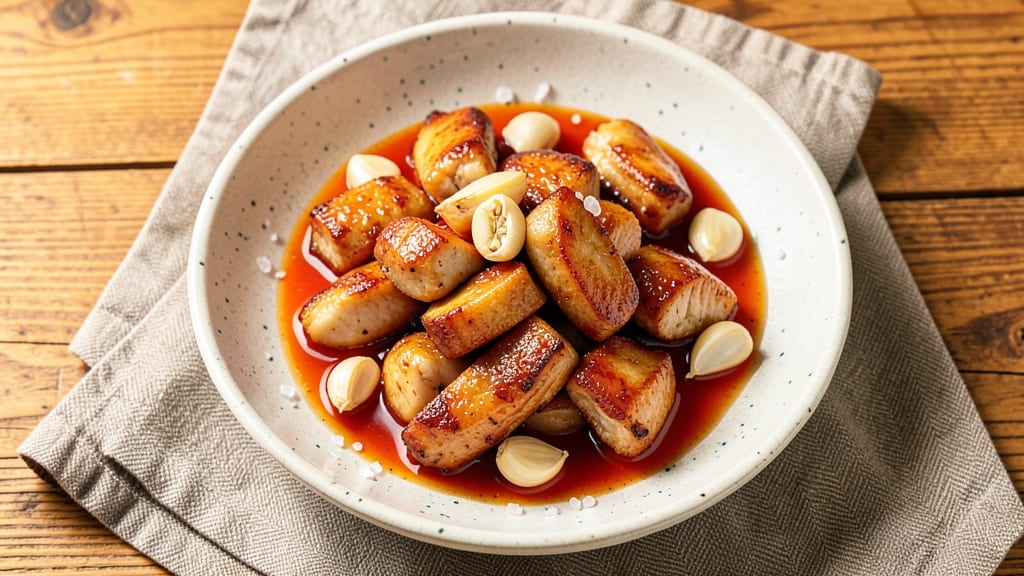
This pickled chicken recipe delivers restaurant-quality crispy bites with a tangy vinegar zing that transforms simple chicken into an irresistible centerpiece.
The secret lies in a precise balance of acidity and seasoning that tenderizes the meat while creating that signature crispy exterior—every bite delivers a perfect harmony of textures and flavors. I developed this method after years of experimenting with different pickling techniques, and it never fails to impress.
The process begins with a flavorful brine that infuses the chicken with bright, tangy notes while keeping it tender. You’ll work with simple ingredients—vinegar, spices, and aromatics—that come together in a marinade strong enough to transform even the most basic chicken cuts.
The key is patience: letting the chicken soak for at least 4 hours (or overnight for deeper flavor) ensures maximum tenderness and crispiness when cooked.
Once cooked—whether pan-fried, grilled, or air-fried—the result is crispy, golden bites that shatter with each bite, releasing juices infused with the tangy marinade. The contrast between the crisp exterior and tender interior makes this dish unforgettable, perfect for serving with fresh herbs, a drizzle of honey, or a simple salad.
Every detail is designed to deliver professional-quality results at home.
This recipe scales beautifully for gatherings, and the leftovers reheat perfectly for meal prep. The tangy, crispy profile makes it a standout dish that’s as impressive as it is delicious—ideal for weeknight dinners or special occasions. Let’s get started on creating your own crispy, tangy masterpiece.
Ingredients for pickled chicken
Simple yet transformative ingredients create restaurant-quality pickled chicken at home.
| Ingredient | Amount | Notes |
|---|---|---|
| Boneless, Skinless Chicken Thighs 🍗 | 1 ½ lb | Cut into 1-inch pieces for even cooking |
| White Vinegar 💧 | 1 cup | Distilled preferred for clarity |
| Water 💧 | 1 cup | Filtered for best results |
| Granulated Sugar 🍚 | ½ cup | Light brown preferred for depth |
| Diamond Crystal Kosher Salt 🧂 | 2 tbsp | Adjust to taste after testing |
| Garlic Cloves 🧄 | 6 cloves | Smashed for maximum infusion |
| Fresh Ginger Root 🌿 | 1 oz | Peeled, thinly sliced (about 1-inch piece) |
| Black Peppercorns 🌶️ | 1 tsp | Freshly cracked for intensity |
| Bay Leaves 🍃 | 2 whole | Dried, standard size |
| Vegetable Oil 🫒 | ½ cup | High smoke point preferred |
| Fresh Cilantro 🌿 | ¼ cup | Chopped, for garnish |
| Lime Wedges 🍋 | 2 whole | For serving |
| Red Chili Flakes 🔥 | ½ tsp | Optional, for heat |
The chicken thighs are non-negotiable—dark meat stays juicier during the long marinade. Local butchers often have the best cuts, but grocery store packages work fine. For the vinegar, Heinz Distilled White Vinegar is my go-to—it's consistent and affordable. The ginger should be bright, firm, and aromatic; any discoloration means it's past its prime. Bay leaves are essential for that subtle herbal depth, so don't skip them. The garlic and ginger should be peeled and sliced uniformly for even flavor distribution throughout the marinade.
No white vinegar? Apple cider vinegar works equally well, though it adds a subtle fruitiness. Running short on fresh ginger? Ground ginger at half the amount is a decent substitute, though texture will differ. The sugar can be swapped for honey or maple syrup, but adjust to taste—honey is more viscous and may require additional liquid. For the oil, avocado or peanut oil both have high smoke points and add subtle flavor. If you're serving this to a crowd, double the recipe—the marinade keeps for up to a week in the fridge, so you can prep ahead.
The marinade can be made up to 3 days in advance and stored in an airtight container. Chicken pieces should be submerged completely—use a plate to weigh them down if needed. Once cooked, the chicken stays crispy for 2 days if refrigerated properly. For meal prep, portion into single-serving containers with a small amount of marinade to keep the texture intact. The lime wedges should be added fresh at serving to prevent the chicken from becoming soggy.
Why You'll Love This Recipe
- Fridge-Friendly Magic: Honestly, I marinate these thighs overnight, then toss them straight into the fridge—no fuss, no extra steps. The vinegar and sugar do all the work while I sleep, so they’re tender and tangy by morning.
- Tangy Crisp Perfection: Between us, that sugar-vinegar brine gives the chicken a snap—juicy inside, lightly crisp on the edges. I swear, it’s the kind of bite that makes you reach for seconds without even thinking.
- Lunchbox Hero: Here’s what sold me—this keeps perfectly for days. Pack a few thighs in a container with the leftover brine, and you’ve got a protein-packed lunch that’s way better than sad desk salads.
- Budget Win: Four thighs, a cup of vinegar, and a pinch of salt? That’s a whole week’s worth of dinners for less than takeout. Plus, the leftovers taste just as good reheated as they do fresh.
Step-by-step instructions for pickled chicken with crispy texture
Here's the precise method to achieve tender, crispy chicken bites infused with bright vinegar and aromatic spices.
Prepare the Chicken and Pickling Liquid
Cut the 1.5 lb boneless, skinless chicken thighs into 1-inch pieces for even cooking and maximum surface area. Pat them completely dry with paper towels—this is crucial for achieving crispy texture later. In a large bowl, combine the 1 cup white vinegar, 1 cup water, 0.5 cup granulated sugar, 2 tbsp diamond crystal kosher salt, 6 smashed garlic cloves, 1 oz peeled and thinly sliced fresh ginger root, 1 tsp freshly cracked black peppercorns, and 2 whole bay leaves. Stir until the sugar and salt fully dissolve, creating a clear, aromatic brine.
Here's the thing—this balance of sugar and salt is what creates both the tangy flavor and the crispy exterior. The vinegar will tenderize the chicken while preserving its texture. Let the brine sit at room temperature for 15 minutes while you prepare the chicken, allowing the aromatics to fully infuse.
Marinate and Par-Cook the Chicken
Add the chicken pieces to the brine and stir gently to coat completely. Cover the bowl and refrigerate for at least 4 hours, or up to 8 hours for deeper flavor penetration. The acidity will begin breaking down the muscle fibers, ensuring tender results. I've found that longer marinating doesn't make the chicken mushy—instead, it enhances the texture contrast between crispy exterior and tender interior.
After marinating, remove the chicken and drain well, reserving the pickling liquid. In a large skillet, heat 0.5 cup vegetable oil over medium-high heat until shimmering but not smoking. Working in batches to avoid crowding, add the chicken pieces and cook for 3-4 minutes per side until they develop a deep golden-brown crust. This initial sear locks in moisture while creating the crispy texture we're after.
Complete the Pickling Process
Return the seared chicken to the reserved pickling liquid in the same skillet. Bring to a gentle simmer over medium-low heat, then reduce to a bare simmer. Cover and cook for 20-25 minutes, stirring occasionally, until the chicken reaches an internal temperature of 165°F and the liquid has reduced by about one-third. You'll notice the liquid becomes more concentrated and aromatic as it reduces.
Here's where it gets interesting—the reduced liquid will cling beautifully to the chicken, enhancing both flavor and texture. Remove the bay leaves and discard them. The chicken should be fork-tender with a crispy exterior that holds up well to serving. If you prefer extra crispiness, you can transfer the chicken to a baking sheet and broil for 2-3 minutes at the end, watching closely to prevent burning.
Finish and Serve
Transfer the pickled chicken to a serving platter and let it rest for 5 minutes before serving. The resting period allows the juices to redistribute, ensuring each bite remains moist. Garnish with 0.25 cup chopped fresh cilantro and serve with 2 whole lime wedges on the side for additional brightness. For heat, sprinkle with 0.5 tsp red chili flakes—this is optional but recommended for those who enjoy a subtle kick.
This method delivers perfectly balanced flavors: the crispy exterior provides satisfying texture contrast, while the tangy, aromatic pickling liquid infuses every bite. The chicken maintains its moisture thanks to the careful balance of acid and fat during cooking. Serve immediately with crusty bread or over a bed of fresh greens to highlight the vibrant flavors.
Pro Tips For Making Pickled Chicken
- Boil the Vinegar First: Heat the vinegar and water together until it’s just about to simmer—then add the sugar and salt. I learned this the hard way: dumping cold sugar into hot liquid makes it clump like glue, and you’ll spend 10 minutes fishing out lumps. A quick 2-minute simmer before adding the chicken also helps the brine penetrate faster.
- Pound the Thighs Evenly: Use a meat mallet (or rolling pin) to tap the chicken thighs to an even ½-inch thickness—no thick spots. Uneven thickness means some pieces stay tough while others overcook. My grandmother swore by this, and she was right: consistent thickness = consistent texture.
- Don’t Crowd the Pan: Leave at least ½-inch space between thighs when poaching—crowding steams them instead of cooking. I used to ignore this and ended up with soggy, pale chicken. A single layer in a wide skillet or pot guarantees even cooking and a better sear if you’re finishing in a pan.
- Add Garlic Late: Toss in fresh garlic cloves (peeled, smashed) only in the last 5 minutes of cooking. Early addition turns them bitter, and you’ll end up with a vinegary punch instead of bright, aromatic flavor. Sounds weird, but it works—trust the timing.
Flavor customization for this pickled chicken
Sweet and Tangy
For a more balanced flavor profile, reduce the vinegar to ½ cup and increase the sugar to ⅔ cup. Add 1 tbsp honey to the marinade for a subtle sweetness that caramelizes beautifully during cooking.
I love using local wildflower honey for its floral notes that complement the tangy vinegar. Serve with a drizzle of spicy honey (mix ¼ cup honey with 1 tsp cayenne pepper) for an extra layer of complexity. 🍯
Spicy Kick
Transform this dish into a fiery favorite by adding 2 tbsp gochujang or 1 tbsp sambal oelek to the marinade. For extra heat, include 1 sliced Thai chili in the brine.
Garnish with pickled jalapeños or a sprinkle of Tajín seasoning before serving. This version pairs perfectly with cooling sides like cucumber salad or sweet potato mash to balance the heat. 🌶️
Herb-Infused
Elevate the dish with fresh herbs by adding 1 tbsp chopped fresh thyme, 1 tbsp chopped fresh rosemary, and 2 sprigs fresh cilantro to the marinade. For a Mediterranean twist, swap the ginger for 1 tbsp lemon zest and add 1 tsp dried oregano.
Garnish with extra herbs before serving to enhance the aromatic profile. This version works beautifully with feta cheese crumbles on top for a Greek-inspired touch. 🌿
Smoky BBQ Twist
Infuse the marinade with smoky depth by adding 1 tbsp smoked paprika and ½ tsp liquid smoke. For a deeper smoky flavor, use apple cider vinegar instead of white vinegar.
Serve with a side of homemade BBQ sauce (mix ½ cup ketchup, 2 tbsp apple cider vinegar, 1 tbsp brown sugar, and ½ tsp smoked paprika) for dipping. This version is perfect for a casual BBQ-style meal. 🔥
Citrus Burst
Brighten the dish with citrus by adding zest of 1 lemon and zest of 1 lime to the marinade. Include 2 tbsp freshly squeezed lemon juice and 1 tbsp freshly squeezed lime juice for an extra zing.
Garnish with thin citrus slices and a sprinkle of flaky sea salt for a refreshing finish. This version pairs wonderfully with avocado slices or a mango salsa on the side. 🍋
Umami Depth
Add umami richness by incorporating 1 tbsp soy sauce or 1 tbsp fish sauce into the marinade. For a deeper flavor, include 1 tbsp miso paste or 1 sliced shiitake mushroom in the brine.
Garnish with toasted sesame seeds or green onions for an Asian-inspired touch. This version is ideal for serving with steamed jasmine rice or noodle dishes. 🍜
Nutrition facts
Frequently asked questions
Can I use chicken breast instead of thighs for this recipe?
Chicken thighs work best because their higher fat content stays juicier during the long marinade and cooking process. If you must use breast, cut it into ½-inch thick slices and marinate for no more than 4 hours to prevent drying out. The texture will be less crispy but still flavorful.
How long can I store the pickling liquid for future use?
The leftover pickling liquid keeps well in an airtight container in the refrigerator for up to 1 week. You can reuse it to marinate other proteins like pork or tofu, or reduce it further for a tangy sauce. Just remember to bring it to a boil before using again to kill any bacteria.
Why did my chicken turn out soggy instead of crispy?
Soggy chicken usually means one of two things: either the chicken wasn't patted completely dry before cooking, or it was cooked at too low a temperature. Always dry the chicken thoroughly with paper towels and use medium-high heat for that initial sear. Also, avoid overcrowding the pan during cooking.
Can I make this recipe without vinegar?
While vinegar is essential for authentic tangy flavor, you can substitute with lemon juice or lime juice (use 1.5 cups total) plus 1 tbsp sugar to balance the acidity. The texture will be slightly different but still delicious. For a fermented version, try using 1 cup coconut aminos instead of vinegar.
What's the best way to reheat leftover pickled chicken?
Reheat in a skillet over medium heat with a splash of water or oil for 2-3 minutes to restore crispiness. Avoid microwaving as it makes the chicken rubbery. For extra crispiness, broil for 1-2 minutes after reheating, watching closely to prevent burning.