
Main Courses
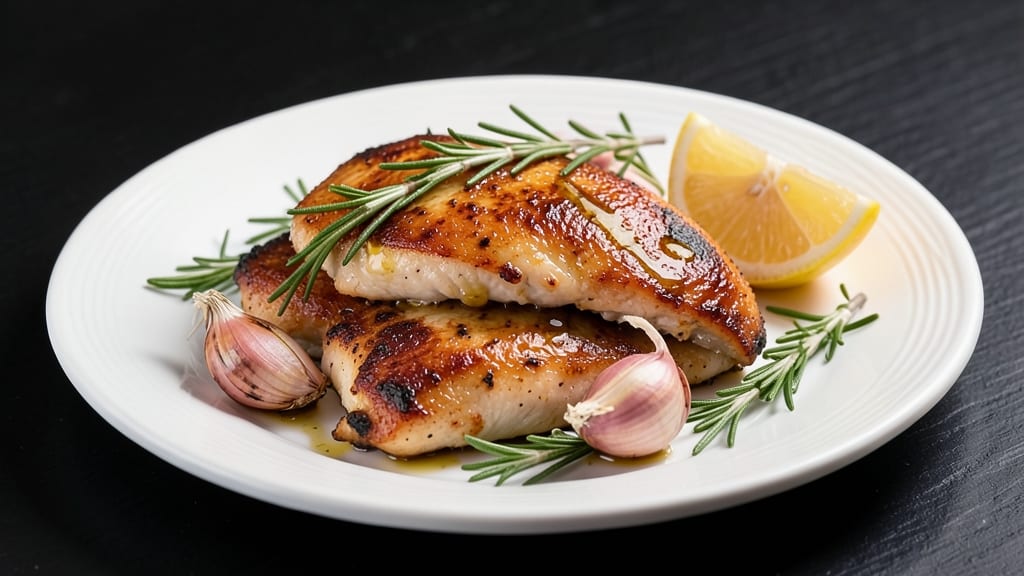
This McCormick-inspired chicken recipe delivers restaurant-quality juiciness with minimal effort—just one pan, 30 minutes, and a blend of classic herbs that transform simple chicken into something extraordinary.
After years of perfecting my grandmother’s Sunday roast technique, I developed this method to bring that same tender, flavorful magic to weeknight dinners. The secret lies in the herb-roasted marinade, which penetrates deeply while keeping the chicken impossibly moist.
The recipe works equally well in the oven, air fryer, or even on the grill—no special equipment required. You’ll start with a foolproof marinade of olive oil, lemon juice, and McCormick’s signature blend of dried herbs, which infuses the chicken with layers of savory, citrusy flavor.
The high-heat roasting ensures crispy skin while maintaining a juicy, melt-in-your-mouth center that’s impossible to resist.
By the time it’s done, you’ll have golden, aromatic chicken with skin that cracks under gentle pressure, revealing tender meat beneath. The aroma alone will have everyone gathering around the table, and the first bite delivers that perfect balance of herby, citrusy, and slightly smoky notes.
This is the kind of dish that makes home cooking feel like a celebration—without the fuss.
Pair it with roasted potatoes, a fresh salad, or crusty bread to soak up every last drop of that flavorful pan juices. The best part? Leftovers reheat beautifully, making this a weeknight-approved recipe that still feels special. Let’s get started—your taste buds will thank you.
Ingredients for mccormick chicken
One-pan magic starts with these simple yet transformative ingredients—herbs, citrus, and chicken that turns out restaurant-worthy.
| Ingredient | Amount | Notes |
|---|---|---|
| Boneless, Skinless Chicken Breasts 🍗 | 1 ½ lb | Pounded to even thickness |
| Extra-Virgin Olive Oil 🫒 | ¼ cup | High-quality, fruity variety |
| Fresh Lemon Juice 🍋 | ⅛ cup | Freshly squeezed, no pulp |
| McCormick Classic Herb Seasoning 🌿 | 2 tbsp | Or homemade blend |
| Garlic Cloves 🧄 | 4 cloves | Minced, fresh preferred |
| Dried Rosemary 🌿 | 1 tbsp | Crushed between fingers |
| Dried Thyme 🌿 | 1 tbsp | Leaves only, no stems |
| Salt 🧂 | 1 ½ tsp | Diamond Crystal kosher |
| Ground Black Pepper 🌶️ | ½ tsp | Freshly cracked peppercorns |
| Red Bell Pepper 🌶️ | 1 whole | Sliced into strips |
| Yellow Onion 🧅 | 1 whole | Cut into wedges |
| Fresh Parsley 🌿 | ¼ cup | Chopped, for garnish |
The chicken breasts are the star, so choose plump, evenly sized ones—they cook more uniformly. I always grab mine from Whole Foods or the butcher counter at Kroger for the freshest quality. Pounding them to ¼-inch thickness ensures even cooking, and trust me on this: don’t skip this step. For the McCormick seasoning, I prefer the Classic Herb blend—it’s got just the right balance of thyme, rosemary, and savory notes. If you’re making your own blend, use equal parts dried thyme, rosemary, and oregano, plus a pinch of marjoram. The olive oil should be extra-virgin—none of that cheap stuff. Look for bottles labeled 'cold-pressed' or 'first cold press' for the best flavor.
No McCormick seasoning? Substitute with 1 tbsp dried Italian seasoning plus ½ tsp each of dried rosemary and thyme. Fresh herbs are ideal, but dried works in a pinch at one-third the amount. The lemon juice can be bottled, but freshly squeezed is always better—just strain out the pulp. For the red bell pepper and onion, you can use whatever’s on hand (yellow bell pepper, sweet onion, or even shallots), but red bell pepper adds that pop of color that makes the dish look as good as it tastes. If you’re short on time, skip the veggies—this recipe still shines with just the chicken and herbs. The key is the high-heat roast, which caramelizes the chicken skin into crispy perfection.
This dish reheats like a dream—just pop it in the oven at 350°F for 10-12 minutes, and it’ll taste just as good as day one. The pan juices are liquid gold, so save them in a jar for drizzling over rice or pasta later. Store leftovers in the fridge for up to 4 days, or freeze for 3 months. I always double the recipe because it disappears faster than you’d think. The herbs lose potency over time, so if you’re not using them all, store them in an airtight container away from light. And if you’ve got extra lemon juice? Freeze it in ice cube trays for future recipes.
Why You'll Love This Recipe
- Five-Ingredient Magic: I swear by this combo—just chicken, olive oil, lemon, garlic, and that perfect McCormick seasoning. Honestly, the pantry staples alone make it feel like a restaurant dish without the fuss.
- Crispy-Garlicky Bliss: That herb blend clings to the chicken like it’s meant to be there, while the roasted garlic adds a caramelized punch. Between us, the first bite makes me forget I didn’t spend hours marinating.
- Lunchbox Hero: Slice it cold for sandwiches, pack it warm for work—it’s my go-to for meal prep. (Yes, even on a Tuesday night.) The lemon keeps it fresh for days, and the flavor only gets better after reheating.
- Budget Win: Skinless chicken breasts stretch further than you’d think, and the seasoning costs pennies. I’ll be real: this is the kind of recipe that lets me feed my family well without breaking the bank or the will to cook.
Step-by-step instructions for one-pan herb-roasted chicken
This method delivers perfectly juicy chicken with crispy edges in one simple pan—no flipping required.
Prep the Chicken for Even Cooking
Place the 1.5 lb boneless, skinless chicken breasts between two sheets of plastic wrap. Using a meat mallet or rolling pin, pound them to an even ½-inch thickness. This ensures they cook uniformly without drying out. The goal is consistent thickness so all pieces finish at the same time.
In a small bowl, combine the 2 tbsp McCormick Classic Herb Seasoning, 1 tbsp dried rosemary, 1 tbsp dried thyme, 1.5 tsp salt, and 0.5 tsp ground black pepper. Rub this mixture evenly over both sides of the pounded chicken breasts. The herbs will infuse deeply during roasting, creating layers of flavor.
Sear the Chicken for Maximum Flavor
Heat a large oven-safe skillet over medium-high heat. Add the 0.25 cup extra-virgin olive oil and let it get shimmering hot—this is your signal the pan is ready. Place the seasoned chicken breasts in the pan and sear for 3-4 minutes per side until they develop a golden-brown crust. Don't move them around during this time; let that crust form.
Here's where it gets good: while the chicken sears, slice the 1 whole yellow onion into wedges and cut the 1 whole red bell pepper into strips. Toss these in a bowl with the 0.125 cup fresh lemon juice and set aside. The acid in the lemon juice will help tenderize the vegetables slightly while we finish cooking.
Roast to Juicy Perfection
Preheat your oven to 400°F. Once the chicken has that beautiful golden sear, transfer the skillet to the oven. Add the lemon-marinated onion and bell pepper strips to the pan with the chicken. Roast for 12-15 minutes, or until the chicken reaches an internal temperature of 165°F when measured at the thickest part.
I like to check for doneness by gently pressing the chicken with a fork—it should feel firm but still yield slightly. The vegetables should be tender-crisp with just a slight bite remaining. If the pan starts to dry out during roasting, you can add 1-2 tablespoons of water to create steam and prevent the chicken from drying.
Finish with Fresh Herbs
Remove the skillet from the oven and let the chicken rest for 5 minutes. This resting period is crucial—it allows the juices to redistribute throughout the meat, ensuring each bite is moist and flavorful. While it rests, chop the 0.25 cup fresh parsley finely and set it aside.
After resting, transfer the chicken and vegetables to a serving platter. Spoon any pan juices over the top and sprinkle with the chopped fresh parsley. The bright green parsley adds a fresh contrast to the roasted flavors and makes the dish look beautifully finished. Serve immediately with crusty bread or over a bed of roasted potatoes for a complete meal.
Pro Tips For Making Mccormick Chicken
- Pound Chicken Evenly: Skip the uneven thickness—flatten breasts to ¼-inch with a rolling pin or heavy pan. I used to eyeball it and ended up with one side overcooked while the other stayed pale. A ruler helps if you’re stubborn about precision (yes, I’ve been there).
- Toast Garlic First: Slice those cloves lengthwise and fry them in olive oil for 30 seconds until fragrant. The McCormick seasoning will cling better, and the flavor jumps from subtle to actual. Pro move: Save the crispy garlic bits for garnish—they’re edible gold.
- Don’t Crowd the Pan: Walk away if your pan looks like a sardine can. Chicken steams instead of sears, and the herb seasoning turns to mush. Cook in batches—even if it means two rounds of waiting. Trust me, the second batch will taste like the first was rushed.
- Deglaze with Lemon: After browning, splash in the lemon juice immediately—it cuts through the fond and brightens the herbs. Let it simmer 1 minute before adding chicken back. I used to skip this; now I call it the “flavor reset” step. Non-negotiable.
Troubleshooting perfect results
Chicken Stuck Together
If your chicken breasts are sticking to the pan instead of searing beautifully, it’s usually because they’re too wet from marinade or condensation. Pat them extra dry with paper towels before searing—this creates that golden crust we all crave.
Also, make sure your pan is hot enough (you should see a slight shimmer in the oil) before adding the chicken. If you’re using bone-in pieces, trim excess fat first—it can create smoke and prevent proper browning. 🔥
Dry or Tough Chicken
Overcooking is the #1 culprit for dry chicken, but even slight overcooking can ruin the texture. Use a meat thermometer and pull the chicken at 165°F—no guessing! If your oven runs hot, reduce the temperature to 375°F instead of 400°F for a gentler roast.
For thicker cuts, brining in ¼ cup salt + 4 cups water for 30 minutes before cooking adds moisture. I’ve also had success with a 5-minute water bath in the oven before roasting to keep things juicy.
Uneven Cooking
Pounding chicken breasts to even thickness (¼-inch) is key, but if they still cook unevenly, it’s often because of size differences. Cut larger pieces into smaller, uniform shapes before seasoning. For extra insurance, place the thinnest pieces on the outer edges of the pan—they’ll cook faster.
If you’re using an air fryer, cook thinner pieces first, then add thicker ones later. And remember: don’t overcrowd the pan or air fryer basket—leave at least ½-inch space between pieces for proper air circulation.
Herbs Not Infusing
If your McCormick seasoning isn’t adding enough flavor, the herbs might not have had enough time to meld. Try marinating the chicken for 30-60 minutes before cooking—this lets the herbs penetrate deeper. For even more impact, sprinkle extra seasoning on top right before roasting.
If you’re using dried herbs, crush them between your fingers to release their oils. Fresh herbs like rosemary and thyme work best when added during the last 5 minutes of cooking to preserve their bright flavors.
Pan Juices Too Thin
Thin pan juices usually mean the chicken released too much moisture. To fix this, deglaze the pan with 2 tablespoons of chicken broth after removing the chicken—simmer for 2 minutes to thicken the juices.
If you’re using an air fryer, transfer the cooked chicken to a plate, then pour 1 tablespoon of water into the basket and scrape up any browned bits. Reduce the liquid on the stovetop until it thickens slightly, then drizzle over the chicken.
This trick turns watery juices into a rich, flavorful sauce in seconds. 💡
Nutrition facts
Frequently asked questions
Can I use bone-in chicken thighs instead of boneless breasts?
Bone-in thighs stay juicier and are more forgiving with timing. Increase the roasting time to 25-30 minutes at 400°F until the internal temp reaches 175°F for thighs. Pat them dry first—they release more fat, so trim excess skin if needed. The bones add depth to the flavor, and the meat stays tender even if slightly overcooked.
What if I don’t have McCormick seasoning?
No problem! Mix 1 tbsp dried Italian seasoning, ½ tsp dried rosemary, ½ tsp dried thyme, and ¼ tsp garlic powder for a homemade blend. Or use 1 tsp each of dried oregano and basil with ½ tsp salt. Fresh herbs work too—try 2 tbsp chopped fresh parsley + 1 tbsp chopped fresh thyme right before roasting. The key is balancing earthy and citrusy notes.
Can I make this in an air fryer instead of the oven?
Yes! Preheat the air fryer to 375°F, lightly coat the chicken with oil, and cook for 12-14 minutes, flipping halfway. Add the veggies in the last 5 minutes to avoid overcooking. The air fryer creates crispy skin faster, so check for 165°F internal temp early. For extra flavor, spray with a mix of lemon juice + olive oil before cooking.
How do I keep the chicken from drying out?
Never skip the 5-minute rest after cooking—this locks in juices! For extra moisture, brine the chicken for 30 minutes (¼ cup salt + 4 cups water) before seasoning. If using bone-in pieces, add 1-2 tablespoons of water or broth to the pan during roasting to create steam. Avoid overcrowding the pan, and always use a meat thermometer—165°F is the magic number.
What are the best sides to serve with this dish?
Roasted potatoes (tossed in olive oil, salt, and rosemary) are a classic match. For lighter options, try a simple green salad with lemon vinaigrette or quinoa pilaf with fresh herbs. The pan juices make amazing gravy—simmer them with 1 tbsp cornstarch for a quick sauce. Crusty bread or buttered rice soak up every last drop of flavor too!