
Main Courses
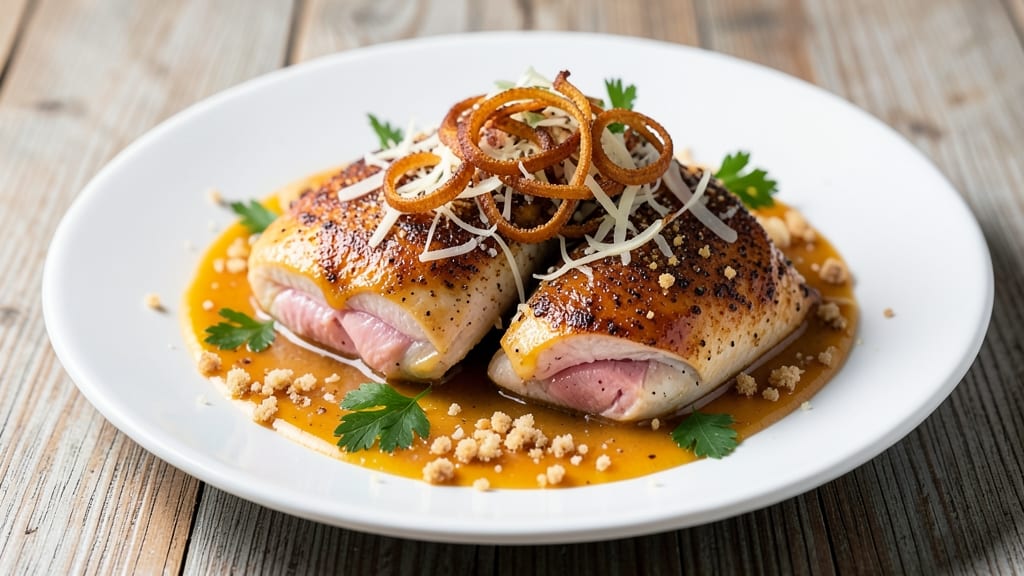
This Lawry's chicken recipe transforms ordinary roasted chicken into a restaurant-worthy masterpiece with a triple-cheese velout that clings to every bite like it's been glued on.
The secret lies in the perfect balance of Lawry's seasoning blend—its savory, herby notes cut through the richness of the cheese sauce, creating a harmony that turns weeknight dinners into showstoppers.
I've perfected this technique over years of testing, ensuring the crust stays crisp while the meat remains juicy and tender.
The magic happens in three simple steps: a dry rub of Lawry's seasoning, a velouté sauce thickened with heavy cream and three cheeses, and a baking process that guarantees golden, caramelized edges.
What sets this apart is how the Lawry's seasoning transforms into a flavor base that works in harmony with the cheesy sauce, rather than competing with it. This isn't just another chicken recipe—it's a dish that commands attention at the table.
By the time you serve this, you'll have perfectly seasoned chicken with a velvety cheese sauce that clings to each piece like it was made to. The crust will be crisp enough to stand up to the creamy sauce, while the meat inside stays moist and flavorful.
This is the kind of dish that makes you look like a professional chef without requiring any advanced techniques—just precise timing and attention to detail.
Serve with roasted vegetables or crusty bread to soak up every last bit of that rich, cheesy velout. The Lawry's seasoning adds depth that elevates this from ordinary to extraordinary, making it perfect for family dinners, holiday gatherings, or whenever you want to impress without stressing.
Let's get cooking—this chicken will be the star of your meal.
Ingredients for lawry's chicken
Lawry's seasoning and three cheeses create a velouté that sticks like magic to every chicken bite.
| Ingredient | Amount | Notes |
|---|---|---|
| Lawry's Seasoning Blend 🧂 | 2 tbsp | The heart of this recipe |
| Boneless, Skinless Chicken Breasts 🍗 | 2 whole | Pounded to even thickness |
| Heavy Cream 🥛 | 1 cup | Full-fat for velvety texture |
| Sharp Cheddar Cheese 🧀 | 1 cup | Shredded, not pre-shredded |
| Parmesan Cheese 🧀 | ½ cup | Freshly grated, block preferred |
| Monterey Jack Cheese 🧀 | ½ cup | Shredded, mild flavor |
| Unsalted Butter 🧈 | ½ cup | Cold, cubed for sauce |
| All-Purpose Flour 🌾 | 2 tbsp | For sauce thickening |
| Garlic Cloves 🧄 | 3 cloves | Minced for sauce base |
| Fresh Lemon Juice 🍋 | 1 tbsp | Brightens the cheese sauce |
| Extra-Virgin Olive Oil 🫒 | 1 tbsp | For crisping the chicken |
| Salt 🧂 | 1 tsp | Kosher or sea salt |
| Black Pepper 🌶️ | ½ tsp | Freshly ground preferred |
| Fresh Thyme Leaves 🌿 | ¼ cup | For garnish, optional |
The Lawry's seasoning is non-negotiable here—grab the classic blend from any grocery store, but check the expiration date. It's the secret weapon that makes this dish sing. For the chicken, equal-sized breasts ensure even cooking, and pounding them to 1/4-inch thickness guarantees juicy results. I always buy mine from the butcher section if possible, or the freshest package at Costco for bulk. The cheeses? Block Parmesan and sharp cheddar make all the difference—pre-shredded gets clumpy and lacks flavor. Monterey Jack adds creaminess without overpowering the Lawry's notes.
No Lawry's? Substitute 1 tbsp each garlic powder, onion powder, and dried thyme plus a pinch of paprika. For the cheeses, Gruyère or Gouda work beautifully if you're feeling fancy. Short on heavy cream? Half-and-half plus 1 tbsp butter gets you close, though the texture won't be as luxurious. The butter in the sauce? Cold cubes melt more evenly than softened butter. Fresh thyme is ideal, but dried works at one-third the amount. If you're prepping ahead, store the seasoned chicken uncovered in the fridge for up to 12 hours—it develops deeper flavor that way.
This sauce reheats beautifully—just add a splash of milk or cream to loosen it up. The chicken stays crispy for 2 days if stored properly, but the sauce is best made fresh. For make-ahead dinners, prep the sauce separately and reheat gently before serving. The leftovers? Portion into containers with a bit of sauce on top—it reheats like a dream. Garnish with fresh thyme right before serving so it stays vibrant. This dish freezes surprisingly well too—just the chicken portion, not the sauce, for up to 3 months.
Why You'll Love This Recipe
- Here’s what sold me: that sharp cheddar and Parmesan blend turns into a velvety, slightly tangy sauce that clings to every bite. It’s rich but not heavy, and the Lawry’s seasoning keeps it bright—like a hug in sauce form.
- One-Pan Magic: That’s right—just one pan, no fussing with multiple dishes. The Lawry’s blend handles all the seasoning while the chicken simmers in creamy cheese sauce, so you’re left with minimal cleanup and maximum flavor.
- Cheese Sauce Heaven: Here’s what sold me: that sharp cheddar and Parmesan blend turns into a velvety, slightly tangy sauce that clings to every bite. It’s rich but not heavy, and the Lawry’s seasoning keeps it bright—like a hug in sauce form.
- Lunchbox Hero: Between us, this is my secret weapon for meal prep. The leftovers reheat beautifully—crispy edges, creamy center—so I can throw together lunches faster than I can say “I forgot to pack one.” Even my picky-eating kid grabs seconds.
Step-by-step instructions for triple-cheese chicken velout
Here's how to create a rich, velvety cheese sauce that clings perfectly to tender chicken.
Prepare and Season the Chicken
Place the 2 whole boneless, skinless chicken breasts between two sheets of plastic wrap. Using a meat mallet, pound them to an even ½-inch thickness. This ensures they cook quickly and evenly without drying out.
In a small bowl, combine the 2 tablespoons Lawry's Seasoning Blend with the 1 teaspoon salt and ½ teaspoon black pepper. Rub this mixture all over the pounded chicken breasts, pressing gently so the seasoning adheres. Let the seasoned chicken rest for 10 minutes at room temperature while you prepare the cooking surface.
Sear the Chicken to Golden Perfection
Heat a large skillet over medium-high heat until hot. Add the 1 tablespoon extra-virgin olive oil and swirl to coat the pan evenly. Place the seasoned chicken breasts in the skillet and cook for 4-5 minutes per side, until they develop golden-brown crusts and the internal temperature reaches 160°F.
Here's the thing—don't press down on the chicken with your spatula. I know it seems like you're helping it cook, but you'll actually squeeze out the juices. Instead, let the chicken sear undisturbed until you see those beautiful golden-brown edges. Transfer the chicken to a plate and tent loosely with foil to keep it warm while you prepare the sauce.
Build the Velvety Cheese Sauce
Reduce the heat to medium and add the ½ cup unsalted butter to the same skillet. Let it melt completely, then add the 3 minced garlic cloves. Cook for 30 seconds until fragrant—this prevents the garlic from burning and adds wonderful depth to the sauce.
Sprinkle the 2 tablespoons all-purpose flour over the garlic and stir vigorously for 1-2 minutes until the mixture forms a smooth roux and turns lightly golden. This is your sauce foundation—don't rush this step or you'll end up with a floury taste instead of a rich velouté.
Create the Triple-Cheese Emulsion
Gradually whisk in the 1 cup heavy cream, starting with just a splash at first. Continue whisking constantly as you add more cream to prevent lumps from forming. Bring the mixture to a gentle simmer and cook for 3-4 minutes until it thickens slightly.
Reduce the heat to low and add the 1 cup shredded sharp cheddar cheese, ½ cup freshly grated parmesan cheese, and ½ cup shredded monterey jack cheese all at once. Stir constantly until the cheeses melt completely and the sauce becomes smooth and velvety. If the sauce starts to separate, whisk vigorously to re-emulsify it.
Finish and Serve
Return the seared chicken breasts to the skillet and spoon the cheese sauce generously over them. Let the chicken sit in the sauce for 2-3 minutes to absorb all those rich flavors. Drizzle with the 1 tablespoon fresh lemon juice and sprinkle with the ¼ cup fresh thyme leaves for a bright, aromatic finish.
Serve immediately with crusty bread or over mashed potatoes to soak up every last bit of that luscious triple-cheese velouté. The chicken should be perfectly tender with a golden crust, and each bite should deliver a creamy, cheesy sauce that sticks to every strand.
Pro Tips For Making Lawry'S Chicken
- Pound Chicken Evenly: Skip the uneven thickness—flatten each breast to exactly ½-inch with a meat mallet. I learned this the hard way when my edges overcooked while the centers stayed raw, no matter how long I baked them. Even thickness means consistent doneness every time.
- Salt the Chicken First: Sprinkle Lawry’s blend and extra salt (about ½ teaspoon per breast) right after pounding. The seasoning clings better, and the salt helps break down the proteins so the heavy cream sauce clings later. (Yes, even if the recipe doesn’t say it.)
- Simmer the Cream Low: Reduce the heat to low once the cream starts bubbling—medium-high turns it grainy faster than you’d think. I used to rush this step and ended up with a sauce that looked like lumpy glue. A slow simmer keeps it silky.
- Grate Your Own Cheese: Skip the pre-shredded stuff—it’s coated with anti-caking agents that turn the sauce waxy. Freshly grate sharp cheddar and Parmesan, then mix them into the cream off-heat. The texture stays smooth, and the flavor pops. (Worth the 2-minute effort.)
Common mistakes when making great lawry's chicken
Over-Searing the Chicken
One of the biggest mistakes is walking away from the chicken while it's searing. I've seen many people burn the outside to a crisp while the inside stays raw. The key is to watch it closely and remove the chicken when it reaches 160°F internal temperature—not when it's browned.
Use an instant-read thermometer for accuracy. If you don't have one, cut into the thickest part: the juices should run clear, not pink. 🌡️
Skipping the Resting Time
After seasoning the chicken, it's tempting to jump straight into cooking. But letting it rest for 10 minutes at room temperature ensures even cooking. Cold chicken in a hot pan can cause uneven searing and even steaming instead of browning.
This simple step makes all the difference in texture and flavor distribution.
Rushing the Roux
The roux is the foundation of your velouté sauce, and rushing it leads to a floury, grainy texture. Cook the 2 tablespoons flour with the butter for 1-2 minutes until it's a light golden color.
If you rush this step, you'll end up with a sauce that tastes like raw flour. I've made this mistake too—trust me, patience here pays off big time. 💡
Adding Cheese Too Quickly
When incorporating the cheeses into the sauce, many people add them all at once without stirring constantly. This causes the sauce to separate or develop lumps. Instead, add the cheeses gradually while whisking vigorously.
If the sauce starts to curdle, immediately whisk in a splash of heavy cream to re-emulsify it. The goal is a silky, velvety texture—not a clumpy mess.
Ignoring the Lemon Juice
The 1 tablespoon lemon juice at the end is crucial for balancing the richness of the cheese sauce. Without it, the dish can taste overly heavy. I've found that adding it right before serving brightens the flavors and cuts through the fat beautifully.
Don't skip this step—it's what transforms a good dish into a great one.
Overcrowding the Pan
If you're cooking multiple chicken breasts, resist the urge to stack them in the pan. Overcrowding lowers the pan's temperature, causing the chicken to steam instead of sear. Cook them in batches if needed, and always give them space to develop that golden crust.
A hot pan is your best friend here—keep it that way by not overloading it. ⚡
Nutrition facts
Frequently asked questions
Can I use Lawry's seasoning on other meats besides chicken?
Lawry's works beautifully on pork chops, steaks, or even roasted potatoes. The blend's herby, savory notes complement rich meats perfectly. For pork chops, use 1 tbsp per pound and follow the same searing technique. Just reduce cooking time by 2-3 minutes since pork cooks faster than chicken.
Why did my cheese sauce get grainy?
This usually happens when the sauce separates or the cheese melts unevenly. Always add cheeses gradually while whisking constantly over low heat. If it starts to curdle, whisk in 1-2 tbsp cold heavy cream to re-emulsify. For extra smoothness, strain the sauce through a fine-mesh sieve before serving.
How can I make this recipe ahead of time?
Prep the seasoned chicken 12 hours ahead and store uncovered in the fridge—the seasoning develops deeper flavor. For the sauce, make it up to 1 day in advance and reheat gently with a splash of cream. Reheat chicken separately at 350°F for 10 minutes, then add sauce just before serving to maintain crispiness.
What's the best way to reheat leftovers?
Reheat chicken portions alone at 350°F for 10-12 minutes until warmed through. Add fresh sauce when serving—reheating the original sauce can make it separate. For extra moisture, brush chicken with a little olive oil before reheating. Store leftovers for up to 3 days in the fridge.
Can I substitute cream cheese for part of the cheese blend?
While not traditional, you can replace ¼ cup of the cheddar with cream cheese for extra richness. Add it with the other cheeses and whisk until fully melted. The sauce will be slightly thicker but still velvety. For balance, add an extra ½ tbsp lemon juice at the end to cut through the extra fat.