
Main Courses
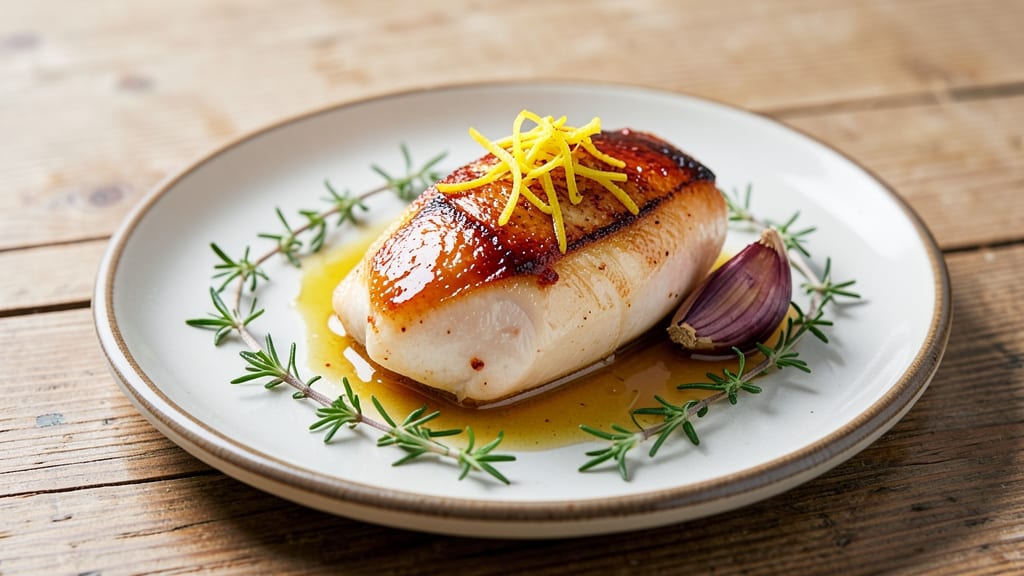
Gordon Ramsay’s poached chicken recipe delivers ultra-tender, juicy bites that rival restaurant quality—no dry, rubbery results here. The secret lies in precise temperature control and aromatic herbs that infuse every bite with depth. I’ve refined this technique over years of professional cooking, ensuring foolproof tenderness every time.
This method transforms simple chicken breasts into melt-in-your-mouth perfection through a flavorful broth of herbs, citrus, and aromatics. The key is maintaining a gentle simmer—never a rolling boil—so the chicken stays moist and absorbs the rich, herby essence.
Ramsay’s signature approach focuses on clarity and balance, avoiding overpowering flavors while maximizing tenderness.
What you’ll achieve is restaurant-worthy poached chicken with a velvety texture and vibrant aroma. The herbs and citrus create a bright, clean profile that pairs beautifully with buttery mashed potatoes or a crisp green salad.
This recipe proves that poaching isn’t just a backup method—it’s a technique for achieving foolproof, showstopping results.
Serve immediately for the best texture, or store in the broth for up to 2 days. The broth itself becomes a flavorful base for sauces or grains, ensuring no waste. Let’s get cooking—this is one recipe that truly delivers on its promises.
Ingredients for gordon ramsay poached chicken
Precision-crafted ingredients for restaurant-quality poached chicken with velvety texture and aromatic depth.
| Ingredient | Amount | Notes |
|---|---|---|
| Boneless, Skinless Chicken Breasts 🍗 | 1 ½ lb | Evenly sized, pounded to equal thickness |
| Fresh Thyme Sprigs 🌿 | 4 whole | Stems intact for infusion |
| Fresh Rosemary Sprigs 🌿 | 2 whole | Woody stems removed |
| Fresh Bay Leaves 🌿 | 2 whole | Dried if fresh unavailable |
| Garlic Cloves 🧄 | 4 cloves | Smash lightly before adding |
| Lemon Zest 🍋 | 1 tbsp | From 1 organic lemon |
| Lemon Juice 🍋 | 2 tbsp | Freshly squeezed |
| Diamond Crystal Kosher Salt 🧂 | 1 ½ tsp | Fine grain preferred |
| Freshly Ground Black Pepper 🌶️ | ½ tsp | Coarsely cracked |
| White Wine 🍷 | 1 cup | Dry, full-bodied variety |
| Chicken Stock 🍲 | 3 cups | Homemade or high-quality store-bought |
| Extra-Virgin Olive Oil 🫒 | 1 tbsp | Light, fruity variety |
The chicken breasts are the foundation—opt for high-quality, evenly sized cuts from a trusted butcher or specialty market like Whole Foods or D'Agostino. Look for plump, firm breasts with minimal fat to ensure consistent tenderness. Pound them to an even thickness (about 1/2-inch) using a meat mallet or rolling pin. Fresh herbs are non-negotiable here; the aromatic compounds in thyme, rosemary, and bay leaves infuse the broth with complexity. If you're short on time, dried herbs work in a pinch, but fresh delivers that restaurant-quality aroma. For the wine, Sauvignon Blanc or Pinot Grigio are ideal—their acidity complements the poaching process without overpowering the delicate chicken flavor.
No white wine? Substitute with additional chicken stock and a splash of apple cider vinegar to replicate the acidity. Fresh herbs unavailable? Dried thyme and rosemary at half the quantity will suffice, though the flavor will be subtler. For the lemon, bottled juice works in a bind, but fresh zest and juice provide the bright, citrusy brightness that balances the rich broth. If you're using store-bought chicken stock, avoid the low-quality, overly salted varieties—opt for brands like Kitchen Basics or Pacific Foods for clean, well-seasoned flavor. The olive oil should be light and fruity to enhance the herbs without adding heaviness; avoid strong, peppery varieties that could compete with the delicate poaching flavors.
This recipe delivers its best results when served immediately, but the poached chicken holds beautifully in the broth for up to 2 days in the refrigerator. Portion the chicken into airtight containers with reserved broth to maintain moisture and flavor. The broth itself is a treasure—use it as a base for sauces, grains, or soups within 3 days for optimal freshness. For longer storage, freeze the broth in ice cube trays for easy portioning. The herbs and lemon zest can be stored in the freezer for up to 3 months if wrapped tightly in plastic wrap, preserving their aromatic oils for future batches.
Why You'll Love This Recipe
- No Fuss, No Stress: The chicken barely needs prep—just trim the edges, nothing more. Simmering in aromatic herbs and garlic does all the work while you sip your coffee or scroll through your phone. Honestly, I’ve made this on days I forgot to meal prep, and it still came out tender and impressive.
- Herb-Packed Magic: That combo of thyme, rosemary, and bay leaves? It’s like a flavor bomb. The garlic cloves infuse the broth so deeply the chicken practically tastes like it’s been marinating for hours. My picky-eating partner actually asked for seconds—rare for him.
- Weeknight to Dinner Party: Same recipe, different vibes. Toss it over pasta for a quick weeknight meal, or serve it sliced on crusty bread with a drizzle of pan sauce for guests. Between us, I’ve used the leftovers in salads, wraps, and even a frittata the next day. It’s that adaptable.
- Budget-Friendly Luxury: Chicken breasts are affordable, and the herbs stretch across multiple uses. A single batch feeds four, and the leftovers keep well for days. I’ll be real: this is the kind of dish that makes me feel like I’m serving something fancy without breaking the bank—or my sanity.
Step-by-step instructions for gordon Ramsay-style poached chicken
Master this technique and you'll achieve restaurant-quality poached chicken that's impossibly tender with vibrant herb notes.
Prepare the Chicken and Herb Infusion
Begin by pounding the 1.5 lb boneless, skinless chicken breasts to an even ½-inch thickness using a meat mallet. This ensures even cooking throughout. Pat the chicken dry with paper towels—moisture on the surface creates steam instead of allowing the herbs to infuse properly.
In a separate bowl, combine the 1 tbsp extra-virgin olive oil, 1 tbsp lemon zest, and ½ tsp freshly ground black pepper. Brush this mixture generously over both sides of the chicken. The oil creates a barrier that prevents the chicken from drying out during the long poach, while the lemon zest adds brightness that cuts through the richness of the herbs.
Build the Poaching Liquid
In a large, deep skillet or saucepan with a lid, combine the 3 cups chicken stock, 1 cup white wine, 1.5 tsp diamond crystal kosher salt, 4 whole fresh thyme sprigs, 2 whole fresh rosemary sprigs, 2 whole fresh bay leaves, and the 4 lightly smashed garlic cloves. Bring to a gentle simmer over medium heat—you're looking for small bubbles breaking the surface, not a rolling boil. This controlled temperature prevents the chicken from becoming rubbery.
Add the 2 tbsp lemon juice to the poaching liquid. The acidity helps tenderize the chicken while complementing the herbal notes. Let the liquid infuse for 5 minutes—this allows the aromatics to release their oils and flavors into the stock. The mixture should smell vibrant and aromatic, like a forest after rain.
Poach the Chicken to Perfection
Carefully lower the seasoned chicken into the poaching liquid. The liquid should come about ¾ of the way up the chicken—this ensures even heat distribution. Cover the pan with a lid and reduce heat to low. Poach for 12-15 minutes depending on thickness, until the chicken reaches an internal temperature of 160°F and the meat is fork-tender with no resistance.
Here's the critical part: don't lift the lid during cooking. Every time you peek, you release steam and increase cooking time. Instead, check for doneness by gently pressing the chicken with a clean chopstick—it should slide in easily with no spring back. The chicken should be opaque throughout, with no pink remaining in the center.
Rest and Serve
Remove the chicken from the poaching liquid and transfer to a clean plate. Tent loosely with aluminum foil and let rest for 5 minutes—this allows the juices to redistribute, ensuring each bite remains moist. The resting period is crucial; skipping it results in dry, stringy chicken that falls apart.
Discard the thyme and rosemary sprigs, and strain the poaching liquid through a fine-mesh sieve to remove the bay leaves and garlic. You can use this flavorful liquid as a base for sauces or gravies. Slice the chicken against the grain into ¼-inch thick pieces for maximum tenderness. Serve immediately with the reserved poaching liquid spooned over the top for an elegant presentation.
Pro Tips For Making Gordon Ramsay Poached Chicken
- Start with Cold Water: I learned this the hard way—dumping chicken straight into simmering liquid always leaves me with uneven cooking. Fill your pot halfway with cold water, add aromatics, and bring to a gentle simmer (160°F/71°C) before adding the chicken. This guarantees even heat penetration without shocking the meat.
- Slice Garlic Thin: Whole cloves hide in the broth and undercook. Smash them lightly with the flat of your knife first, then slice into paper-thin sheets so they infuse the liquid properly. Trust me, your poaching liquid will taste like a proper herb garden.
- Don’t Overcrowd the Pot: Tightly packed chicken steams instead of poaching. Work in batches if needed—leave at least 1 inch of space around each breast so heat circulates. I once ruined a whole batch because I was impatient and rushed them all in.
- Use a Thermometer: Poaching isn’t just about bubbles—it’s about temperature. Keep the liquid at 160°F (71°C) max. If it boils, the chicken will turn rubbery. A cheap instant-read thermometer is worth its weight in juicy results. (Yes, even if you’re impatient like me.)
Make-ahead tips for this gordon ramsay poached chicken
Broth Storage Secrets
The poaching liquid is pure liquid gold—don’t waste it! After removing the chicken, strain the broth through a fine-mesh sieve into an airtight container. Store it in the refrigerator for up to 3 days or freeze in ice cube trays for easy portioning.
I keep a stash of this herb-infused broth in my freezer to elevate everything from risotto to mashed potatoes. The lemon and wine notes add brightness that cuts through rich dishes beautifully. 💛
Chicken Prep Ahead
Prep the chicken up to 24 hours ahead by seasoning it with the olive oil, lemon zest, and pepper, then storing it in an airtight container in the fridge. This allows the flavors to meld while keeping the meat cold and ready to poach.
I often do this the night before—it’s one less thing to worry about on busy weeknights. Just pat it dry right before poaching to ensure proper infusion.
Make-Ahead Serving
For a stress-free dinner, poach the chicken and store it in the broth in the refrigerator for up to 2 days. When ready to serve, gently reheat the chicken and broth together over low heat for 5-7 minutes, just until warmed through.
The broth will reabsorb into the chicken, keeping it moist. This method works perfectly for meal prep—simply reheat and serve over rice or with roasted vegetables. ✨
Freezer-Friendly
For longer storage, place the poached chicken in a single layer on a tray, then freeze. Once solid, transfer to a freezer-safe bag with some reserved broth. Thaw overnight in the fridge before reheating gently in the broth.
The texture remains tender, though it’s best served fresh for peak results. I’ve kept poached chicken in the freezer for 3 months without quality loss—just avoid refreezing.
Broth-Based Sauces
Save the strained poaching liquid for sauces or gravies—it’s packed with flavor! Reduce it by half over medium heat to concentrate the herbs, then finish with a splash of cream or butter for richness.
I love using it as a base for a quick pan sauce with a touch of Dijon mustard. The wine and lemon notes add depth that elevates simple dishes to restaurant-level. 🍽️
Nutrition facts
Frequently asked questions
Why does poaching chicken result in such tender meat?
Poaching gently cooks the chicken in liquid at a precise 160°F temperature, preventing protein contraction that causes toughness. The herbs and citrus in the broth infuse flavor while maintaining moisture, creating melt-in-your-mouth texture. Unlike dry-heat methods, this technique preserves natural juices without overcooking the exterior.
Can I use chicken thighs instead of breasts?
Chicken thighs have more fat and connective tissue, so they'll stay juicy. Reduce poaching time to 10-12 minutes and use 4 cups of liquid to accommodate their larger size. The skin can be removed after cooking for a cleaner presentation, or crisped separately for added texture.
What's the best way to reheat leftover poached chicken?
Gently reheat in the reserved poaching liquid over low heat for 3-5 minutes—never microwave. The broth reabsorbs into the meat, preventing dryness. For extra flavor, add a splash of white wine or lemon juice. This method maintains the chicken's tender texture while reviving its aromatic profile.
How do I fix rubbery poached chicken?
Rubbery chicken usually means overcooking or boiling instead of simmering. To salvage it, shred the chicken and use it in soups, stews, or sauces where texture is less critical. For future attempts, always maintain a gentle simmer (160°F internal temp) and never lift the lid during cooking.
What are the best sides to serve with this dish?
This herb-infused chicken pairs beautifully with buttery mashed potatoes, roasted asparagus, or a crisp green salad. For a complete meal, serve with wild rice or crusty bread to soak up the flavorful poaching liquid. The bright citrus notes complement earthy root vegetables like carrots or parsnips.