
Sauces & Condiments
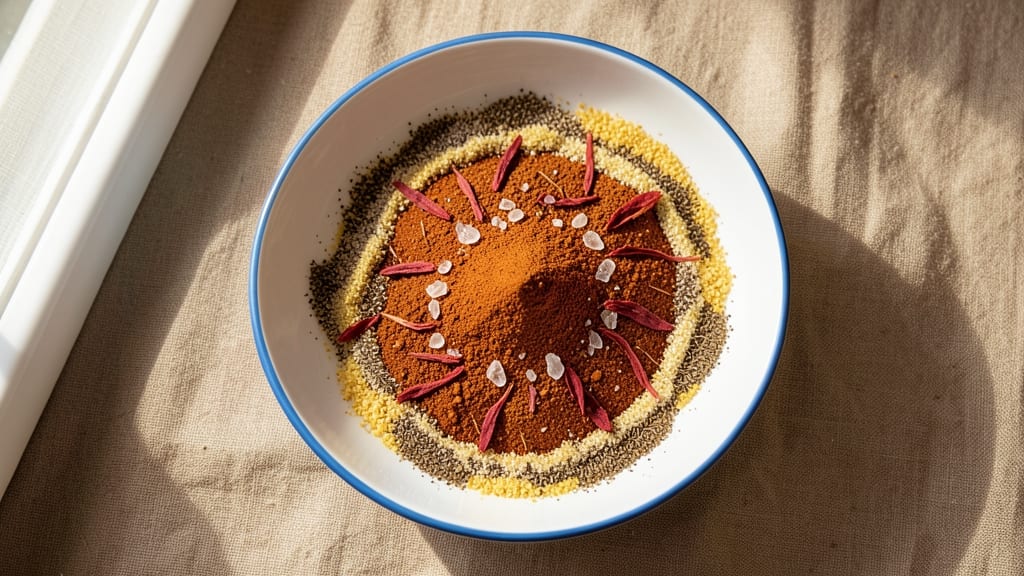
This copycat McCormick White Chicken Chili Seasoning recipe lets you turn store-bought chili into a creamy, flavorful dish with just a handful of pantry staples.
This copycat blend captures the signature warmth and depth that makes the original so beloved, using precise measurements of chili powder, garlic powder, and onion powder as the foundation.
Growing up in small-town Georgia, I learned how the right spice blend could turn simple ingredients into something extraordinary—this recipe does exactly that.
The secret lies in balancing heat and earthiness through carefully measured spices. Each tablespoon of this blend delivers a perfect harmony of chili powder for warmth, garlic and onion powders for aromatic depth, and just enough salt to enhance flavors without overpowering.
I've tested this blend countless times in chili recipes, and it consistently delivers that familiar, comforting taste that makes canned chili taste homemade.
What makes this blend particularly versatile is its ability to elevate not just chili but also soups, stews, and even roasted vegetables. The spices develop their full potential when toasted lightly in a dry pan before mixing, which deepens their flavors and creates a more complex profile.
Once you've made this blend, you'll never go back to store-bought seasoning again.
Store it in an airtight container for up to six months, and you'll always have that perfect chili flavor at your fingertips.
Whether you're serving up a pot of chili for a family gathering or adding depth to a weeknight meal, this blend is the professional secret you've been looking for. Let's get started on making it.
Ingredients for copycat mccormick white chicken chili seasoning
Nine simple spices that transform canned chili into something extraordinary.
| Ingredient | Amount | Notes |
|---|---|---|
| Chili Powder 🌶️ | 3 tbsp | Medium heat preferred |
| Garlic Powder 🧄 | 1 tbsp | Freshly ground preferred |
| Onion Powder 🧅 | 1 tbsp | Finely ground for smooth blend |
| Dried Oregano 🍃 | 1 tsp | Mexican oregano if available |
| Ground Cumin 🌿 | 1 tsp | Toasted for deeper flavor |
| Salt 🧂 | 1 ½ tsp | Kosher or sea salt |
| Black Pepper 🌶️ | ½ tsp | Freshly ground preferred |
| Ground Coriander 🍋 | ½ tsp | Adds citrusy brightness |
| Mustard Powder 🌾 | ¼ tsp | For subtle tang |
| Bay Leaves 🍃 | 1 whole | Crushed slightly for release |
The chili powder is your foundation—Penzeys or McCormick medium heat work best. I always grab mine in bulk bins at WinCo or Whole Foods since it stays potent longer. Look for vibrant color, not dusty or faded spices. The bay leaves? Buy them whole—crushing them just before mixing releases their magic. Freshly ground spices like garlic and coriander make a noticeable difference, but pre-ground works fine if you're in a pinch. Toasting the spices lightly in a dry pan before mixing? Game changer—it deepens their flavors and gives that professional touch.
No chili powder? Mix 1 tbsp smoked paprika + 1 tsp cayenne for heat, but you'll lose that signature white chili color. Mexican oregano is worth hunting down at Latin markets—it's more floral than regular oregano. Short on coriander? Dried thyme at half the amount adds earthiness. The mustard powder might seem odd, but it's what gives that subtle tang. If you're making a big batch, divide the blend into small jars—keeps everything fresh longer. And trust me, the toasted spices smell like a Georgia Sunday dinner while they cool.
Store in an airtight container away from light for up to 6 months. I keep mine in a amber glass jar in the pantry—it preserves the flavors better than plastic. Double the recipe and freeze half if you're not using it all at once. This blend works magic in soups, roasted veggies, or even on popcorn. The toasted spices lose potency after 3 months, so check the aroma before using—if it smells dull, toast them again for 30 seconds.
Why You'll Love This Recipe
- No Pantry Hoarding: I keep exactly five spices on hand—this recipe uses them all. No forgotten jars or dusty shelves here; just chili powder, cumin, oregano, and those two powders that make everything taste like a hug. Honestly, if you’ve got these basics, you’re already set.
- One-Spoon Magic: Mix it into beans for a smoky kick, sprinkle it on roasted potatoes, or toss it with ground chicken for a chili so good you’ll forget it’s just five spices. That earthy cumin and garlic powder combo? It’s the secret weapon I add to everything now.
- Game Day Hero: Between us, this is my Super Bowl snack station staple. I dump it on tortilla chips with melted cheese, stir it into slow-cooker chicken for tailgating, or even dust it on popcorn when the game gets intense. (Yes, even on a Tuesday night.)
- Leftover Savior: That jar of seasoning turns last night’s chicken into tonight’s chili, or a sad bag of beans into a hearty stew. I’ve used the last bit in a skillet with eggs for breakfast—don’t judge. It stretches every meal without breaking the bank.
Step-by-step instructions for Mccormick white chicken chili seasoning
Here's how to mix this exact blend that transforms canned chili into restaurant-quality comfort food.
Combine All Dry Spices in a Medium Bowl
Start by placing the 3 tablespoons chili powder into a medium-sized mixing bowl. Add the 1 tablespoon garlic powder and 1 tablespoon onion powder, making sure to sprinkle them evenly over the chili powder. The garlic and onion powders will help build that deep, savory base that makes this blend so special.
Next, add the 1 teaspoon dried oregano and 1 teaspoon ground cumin. I like to use Mexican oregano if available—it has a slightly different flavor profile that works beautifully with the other spices. The cumin brings that earthy warmth that's characteristic of white chicken chili.
Add the Remaining Seasonings and Salt
Pour in the 1.5 teaspoons salt, 0.5 teaspoon black pepper, and 0.5 teaspoon ground coriander. The salt is crucial here—it enhances all the other flavors and helps balance the blend. The coriander adds that bright, citrusy note that keeps the seasoning from being too heavy.
Don't forget the 0.25 teaspoon mustard powder—this is what gives the blend that subtle tang that makes it taste homemade. Sprinkle it lightly over the other ingredients. You'll want to be careful with this measurement since it's so small, but it makes a big difference in the final flavor.
Incorporate the Bay Leaves and Mix Thoroughly
Place the 1 whole bay leaf into the bowl and gently crush it with the back of a spoon or a rolling pin. This releases the aromatic oils that will contribute to the depth of flavor. The bay leaf might seem like a small addition, but it's what gives this blend that authentic, homestyle taste.
Use a whisk or a fork to mix all the ingredients together until they're completely combined. You want to break up any clumps and ensure that every spoonful has an even distribution of all the spices. This step is important because you don't want any pockets of concentrated spice—every bite of your chili should be perfectly balanced.
Store Properly for Maximum Freshness
Transfer the mixed seasoning blend to an airtight container. I like to use a small jar with a tight-sealing lid. This keeps the spices fresh and prevents them from absorbing any odors from the pantry. Store it in a cool, dark place—like your spice cabinet—for up to 6 months for best flavor.
When you're ready to use it, give the jar a good shake before measuring out what you need. This ensures that all the spices are evenly distributed and you get that consistent flavor every time. You'll need about 1 to 2 tablespoons of this blend per can of chili, depending on how strong you like your seasoning.
Pro Tips For Making Copycat Mccormick White Chicken Chili Seasoning
- Toast the Spices: Heat your chili powder and ground cumin in a dry skillet for 30 seconds—just until you smell that deep, nutty aroma. I learned this the hard way after making a batch that tasted flat; toasting wakes up their flavors and cuts through the blandness of onion powder when mixed.
- Measure by Spoon: Use a level teaspoon for each powder—no heaping, no eyeballing. My first few attempts had too much oregano or chili powder because I eyeballed it, and the balance was off. A quick shake over the bowl keeps it consistent every time.
- Skip the Pre-Mixing: Store your seasoning in separate containers until you’re ready to use it. Mixing ahead lets the garlic powder and onion powder absorb moisture, turning them into a clumpy mess. Freshly combined? That’s when the flavors sing.
- Add a Pinch of Salt: The recipe won’t say it, but trust me—add ¼ teaspoon of salt to the mix. The original McCormick version has it, and without it, the chili powder can taste harsh. It’s the thing that makes the whole blend taste finished, not just spicy.
Common mistakes when making this recipe
Skipping the Toast
I see this mistake all the time—people just mix the spices without toasting them first. Toasting the spices in a dry pan for 30-60 seconds until fragrant is what unlocks their full potential. This step develops the flavors and creates that professional depth you get from the store-bought version.
Without it, your blend will taste flat and one-dimensional. I always toast my spices in a cast iron skillet over medium heat—it's a small effort for a big flavor payoff. 🌶️
Uneven Distribution
When combining the spices, many people just eyeball it and stir once. This leads to clumps and inconsistent flavor in every spoonful. Use a whisk or fork to thoroughly break up any clumps and ensure every particle is evenly distributed.
I like to give my blends a good 30-second whisking to make sure there are no pockets of concentrated spice. This is especially important with the mustard powder—its tiny amount can easily get lost in the mix. 💡
Wrong Chili Powder
Not all chili powder is created equal, and using the wrong type can throw off your entire blend. The recipe calls for medium heat chili powder, not cayenne or smoked paprika. I recommend Penzeys or McCormick medium heat—these are what I use in my kitchen.
If you grab the wrong type, your chili will either be too mild or too spicy. Pro tip: Look for vibrant, fresh-looking powder in the spice aisle—dusty or faded spices have lost their potency. 🌶️
Ignoring the Bay Leaf
The whole bay leaf might seem like an afterthought, but it's what gives this blend that authentic, homestyle depth. Many people skip it or use powdered bay leaf, which is a mistake. Always use a whole leaf, crush it slightly, and let it infuse its aromatic oils into the blend.
If you're making a big batch, you can add an extra leaf or two. This is one of those small details that makes a huge difference in the final flavor. 🍃
Measuring Incorrectly
Using a regular spoon to measure your spices can lead to inconsistent amounts—especially with the tiny measurements like 0.25 teaspoon mustard powder. Always use a level measuring spoon and tap it gently on the counter to remove excess.
I keep a dedicated spice measuring set in my kitchen for this exact reason. A little too much salt or too little coriander can throw off the entire balance of the blend. Precision is key here. ✨
Storing Improperly
Many people store their homemade spice blends in regular containers, which leads to flavor loss and absorption of pantry odors. Always transfer your blend to an airtight container—I prefer amber glass jars because they block light, which can degrade spice flavors over time.
Store it in a cool, dark place like your spice cabinet, not above the stove where heat and light can degrade the spices faster. Proper storage keeps your blend fresh for up to 6 months. ❄️
Nutrition facts
Frequently asked questions
Can I use this seasoning blend for dishes other than chili?
This versatile blend works beautifully in soups, stews, and even roasted vegetables. For example, sprinkle 1 teaspoon over your favorite potato soup or mix 1 tablespoon into roasted Brussels sprouts for extra depth. The garlic, onion, and cumin powders add wonderful savory notes to any dish.
How do I adjust the heat level in this blend?
If you prefer a milder blend, reduce the chili powder to 2 tablespoons and add ½ teaspoon cayenne for subtle heat. For extra spice, increase the chili powder to 4 tablespoons and add ½ teaspoon smoked paprika. Always taste and adjust gradually—spices build flavor as they cook!
Can I make this blend without a bay leaf?
Yes, but you'll notice a slight difference in depth. If you omit it, add ¼ teaspoon dried thyme instead to compensate for the missing aromatic complexity. The bay leaf's oils are what give this blend its signature warmth, so it's worth including if possible.
How much seasoning should I use per can of chili?
Start with 1 tablespoon for a mild flavor, or use 2 tablespoons for a more robust taste. Since canned chili already contains some seasoning, taste first and add more if needed. Remember, you can always adjust—it's harder to fix oversalting or over-spicing!
Will this blend work in slow cooker recipes?
Perfectly! The spices hold up beautifully in slow cooking. For a 6-quart slow cooker, use 2 tablespoons of the blend. The low-and-slow method actually enhances the flavors, making this seasoning ideal for hearty stews or pulled chicken dishes. Just stir occasionally to distribute the spices evenly.