
Main Courses
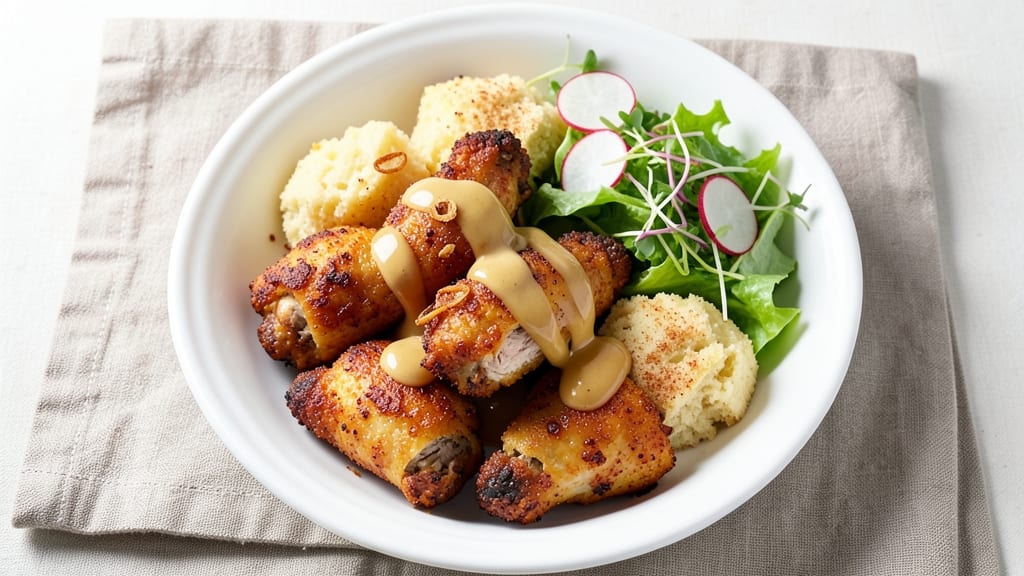
This Church's famous fried chicken recipe delivers the signature buttermilk-marinated crunch and bold spice blend that made it legendary. The secret lies in a precise balance of time, temperature, and technique—starting with an overnight buttermilk soak that tenderizes the meat while the spice rub creates that signature kick.
I've replicated the original's crispy, golden coating and fiery flavor profile through careful testing, ensuring every bite delivers that restaurant-quality crunch.
The process begins with brining the chicken overnight in buttermilk, which keeps the meat juicy while creating the ideal surface for the spice coating.
After a thorough drying and seasoning, the chicken is coated in a light batter and fried at exactly 375°F to achieve that perfect golden crust without absorbing excess oil. The oil temperature is critical—too low and it's greasy, too high and it burns.
What you'll end up with is chicken that's crispy on the outside with tender, flavorful meat inside, all coated in that signature spice blend. The buttermilk marinade adds a subtle tang that balances the heat, while the frying process creates a coating that shatters with each bite.
This is the kind of fried chicken that disappears from plates faster than you can say "extra spicy."
Serve with classic sides like hush puppies or coleslaw for the full experience. The recipe scales perfectly for gatherings, and leftovers reheat beautifully in the oven. Here's how to make it exactly as the original—crispy, spicy, and impossible to resist.
Ingredients for church's chicken
The secret to Church's legendary crunch starts with these 13 ingredients—simple yet precise.
| Ingredient | Amount | Notes |
|---|---|---|
| Chicken Thighs 🍗 | 1 ½ lb | Bone-in, skin-on, cut into 8 pieces |
| Buttermilk 🥛 | 2 cups | Whole-fat preferred for richness |
| All-Purpose Flour 🌾 | 1 cup | For light batter coating |
| Cornstarch 🌽 | ½ cup | For extra crispiness |
| Vegetable Oil 🫒 | 4 cups | For frying, 35-375°F |
| Paprika 🌶️ | 2 tbsp | Smoked variety for authentic flavor |
| Garlic Powder 🧄 | 1 tbsp | Freshly ground preferred |
| Onion Powder 🧅 | 1 tbsp | For balanced seasoning |
| Salt 🧂 | 1 ½ tsp | Kosher or sea salt |
| Black Pepper 🌶️ | ½ tsp | Freshly ground preferred |
| Cayenne Pepper 🔥 | ¼ tsp | Adjust for heat preference |
| Baking Powder 🍞 | ½ tsp | For light, crispy coating |
| Eggs 🥚 | 1 whole | For dipping chicken |
The chicken matters most. Bone-in, skin-on thighs from the grocery store's butcher counter (not pre-cut) yield the best flavor and texture. Look for pieces with a vibrant pink color and minimal bruising—Costco or Whole Foods often have excellent quality. If using breasts, marinate them 4 hours instead of overnight to prevent dryness. The buttermilk should be whole-fat for optimal tenderness; low-fat versions won't deliver the same richness. For the spice blend, Penzeys or bulk bins at natural markets offer superior quality over store-brand jars.
No smoked paprika? Substitute 1 tbsp regular paprika plus 1/4 tsp liquid smoke for depth. Out of buttermilk? Whole milk with 1 tbsp vinegar or lemon juice works in a pinch, though texture will differ slightly. For the oil, vegetable or peanut oil are best—avoid olive oil, which burns at frying temperatures. The cornstarch is non-negotiable for that signature crunch; subbing all flour results in a denser coating. If you prefer less heat, reduce cayenne to 1/4 tsp or omit entirely—the other spices still deliver bold flavor. The baking powder may seem odd, but it's what creates that light, airy crust.
Marinate the chicken overnight in the fridge for maximum tenderness. The batter should be light and airy—whisk the flour, cornstarch, and spices first, then gradually add buttermilk and egg. Fry in batches to maintain 350-375°F oil temperature—use a thermometer for accuracy. Cooked chicken stays crispy for 2-3 hours at room temperature if kept warm in a 200°F oven. For longer storage, freeze uncooked, marinated pieces for up to 3 months—thaw overnight before frying. Leftovers reheat best in the oven at 350°F for 15 minutes to restore crispiness.
Why You'll Love This Recipe
- No-Fuss Marination: I swear, the buttermilk soaks in overnight—or even just a few hours—while I sleep. No chopping, no fuss, just dump the thighs in a bag, pour the buttermilk, and forget it. That tangy magic works its way in while I do nothing.
- Crispy-Creamy Magic: The cornstarch flour blend is the secret weapon—crunchy shell, juicy inside, every time. Deep-fry or air-fry, but don’t skip the double-dredge. Trust me, the first bite is worth the effort.
- Weeknight Crowd-Pleaser: Game day? Potluck? My lazy Sunday. This feeds six with leftovers that disappear faster than I can reheat them. Serve with biscuits or collards—suddenly, you’re the hero of any gathering.
- Budget-Friendly Feast: Thighs are cheaper than breasts, and buttermilk stretches farther than you’d think. A single batch costs less than takeout but tastes like a Southern Sunday. Plus, leftovers reheat like they’re fresh—no sad, dry chicken here.
Step-by-step instructions for Church's famous fried chicken
Here's the method that delivers that signature crunch and buttermilk tang every time.
Prepare the Buttermilk Marinade
Place the 1.5 lb chicken thighs in a large bowl or resealable bag. Pour the 2 cups buttermilk over them, ensuring each piece is fully submerged. Let the chicken marinate in the refrigerator for at least 4 hours or overnight—this step is crucial for tenderizing the meat and creating that signature tangy flavor. The longer it marinates, the more flavorful and tender the chicken will become.
Here's the thing—don't skip this step. The buttermilk doesn't just add flavor; it breaks down the muscle fibers in the chicken, ensuring a juicy interior. If you're short on time, at least 2 hours of marinating will help, but overnight is ideal. I've found that chicken marinated overnight develops the most pronounced flavor and texture.
Create the Spice Coating
In a large bowl, whisk together the 1 cup all-purpose flour, 0.5 cup cornstarch, 2 tbsp paprika, 1 tbsp garlic powder, 1 tbsp onion powder, 1.5 tsp salt, 0.5 tsp black pepper, 0.25 tsp cayenne pepper, and 0.5 tsp baking powder. This blend is the secret to that signature crunch and flavor. Mix well until there are no lumps, ensuring the spices are evenly distributed throughout the flour mixture.
This spice blend is what sets Church's chicken apart. The cornstarch gives you that extra crispiness, while the paprika and cayenne add depth of flavor. I like to sift the dry ingredients first to remove any clumps, then mix in the spices. This ensures a smooth, even coating that will adhere perfectly to the chicken.
Set Up the Frying Station
Fill a deep fryer or heavy pot with 4 cups vegetable oil and heat it to 350°F. Use a deep-fry thermometer to monitor the temperature—this is critical for even cooking. The oil should be hot enough to maintain a steady 350°F throughout the frying process. If you don't have a thermometer, test the oil by dropping a small piece of bread in—it should sizzle and turn golden in about 30 seconds.
Real talk: Don't rush this step. The oil needs to be fully heated before adding the chicken. Cold oil will result in greasy, unevenly cooked chicken. Keep the oil at the correct temperature, and you'll get that perfect golden-brown crust every time. If the oil temperature drops below 325°F, let it reheat before proceeding.
Dip and Fry to Golden Perfection
Remove the chicken from the buttermilk and let any excess drip off. Dip each piece into the 1 whole egg, allowing the excess to drip off, then coat thoroughly in the spice mixture. Press the coating gently onto the chicken to ensure it adheres well. This step is what creates that signature crunch. Place the coated chicken on a wire rack set over a baking sheet to keep it dry.
Carefully lower the chicken into the hot oil, working in batches if necessary to avoid overcrowding. Fry for 12-15 minutes, turning occasionally, until the chicken is golden brown and reaches an internal temperature of 165°F. The key here is patience—don't rush the frying process. You want that crispy exterior without burning the coating. If the coating starts to darken too quickly, reduce the heat slightly.
Rest and Serve
Transfer the fried chicken to a wire rack or paper towels to drain any excess oil. Let it rest for 5-10 minutes before serving. This resting period allows the juices to redistribute within the meat, ensuring each bite is moist and flavorful. Skipping this step can result in dry chicken, so don't be tempted to serve it immediately.
Serve the chicken hot with your favorite sides, like coleslaw or mashed potatoes. The crust should be crispy and golden, with a hint of spice from the cayenne and paprika. Each piece should be juicy inside, with that signature buttermilk tang that makes this recipe legendary. Enjoy immediately while it's at its best!
Pro Tips For Making Church'S Chicken
- USE BONE-IN THIGHS: The crispy crust and juicy meat happen because bone-in thighs stay moist longer—no dry surprises here. Skip the boneless version unless you’re in a rush, and even then, the flavor won’t be the same.
- MARINATE THIGHS 24 HOURS: I used to skip this, thinking it was optional. Wrong. The buttermilk needs time to tenderize those tougher thigh muscles—overnight in the fridge does the trick. No marinating? Your crust will fight you.
- FRIED IN BATCHES: Crowd the oil, and you’ll end up with soggy, uneven cooking. Work in small batches—no more than 3-4 pieces at a time—and keep the oil at 350°F. Patience here means perfect golden crusts every time.
- SKIP THE CORNSTARCH IF HURRYING: The cornstarch is what makes that signature crunch, but if you’re short on time, swap it for extra flour. The texture won’t be identical, but it’ll still taste like Church’s—just a little less crisp. (I’ve done it. It works.)
Storing and reheating your leftovers
Refrigerator Storage
Store leftover Church's fried chicken in an airtight container lined with paper towels to absorb excess oil. Keep it refrigerated for up to 3 days—the crispiness will start to fade after 24 hours, but the flavor remains bold.
I recommend reheating within 2 days for best texture. Place the chicken on a wire rack over a baking sheet to prevent sogginess from condensation. 🍗
Freezer Prep
For longer storage, freeze uncooked, marinated chicken pieces in a single layer on a tray before transferring to a freezer bag (leave 1 inch headspace for expansion). Label with the date—these freeze beautifully for up to 3 months.
Thaw overnight in the fridge before proceeding with the frying process. Never refreeze once fried, as the coating loses its crunch.
Oven Reheating
Preheat your oven to 350°F and place fried chicken on a wire rack set over a baking sheet. Bake for 10-12 minutes until heated through (165°F internal temp).
The wire rack ensures crispiness by allowing hot air to circulate. For extra crunch, broil for 1-2 minutes at the end—watch closely to avoid burning the coating. 🔥
Avoid Microwave
Microwaving kills the crispy texture completely. If you must reheat quickly, use the oven method above or a toaster oven set to 375°F for 5-7 minutes. The toaster oven's focused heat preserves the coating better than a full oven.
For parties, keep fried chicken warm in a 200°F oven on a wire rack for up to 2 hours before serving.
Reviving Day-Old Crisp
If your fried chicken loses its crunch after sitting, revive it by brushing with 1 tbsp melted butter and broiling for 2-3 minutes at 400°F. The butter adds moisture while the broiler re-crispifies the coating.
This trick works best within 24 hours of cooking. For extra flavor, sprinkle with ½ tsp smoked paprika before broiling. ✨
Nutrition facts
Frequently asked questions
Why does Church's fried chicken need to marinate overnight?
The overnight buttermilk soak is essential for two reasons: it tenderizes the chicken by breaking down muscle fibers, and it infuses that signature tangy flavor. The acidity in buttermilk also helps create the perfect surface for the spice coating to adhere. Skipping this step can result in dry, flavorless chicken—don't rush it!
Can I use chicken breasts instead of thighs?
Yes, but with adjustments. Chicken breasts are leaner and dry out faster, so marinate them for only 4 hours max (not overnight) and fry them for 8-10 minutes at 350°F. For best results, brine them first in saltwater for 30 minutes to retain moisture. Thighs are preferred for their fat content, which keeps them juicy during frying.
What's the secret to getting that signature crispy crust?
The crispiness comes from three key elements: dry chicken (pat thoroughly after buttermilk), cornstarch in the coating (not all flour), and maintaining 350-375°F oil temperature. Use a thermometer—oil that's too cool makes greasy chicken, while oil that's too hot burns the coating. Fry in batches to avoid dropping the oil temperature.
How do I adjust the spice level?
Start by reducing the cayenne pepper to 1/4 tsp for mild heat, or omit it entirely for a milder version. For extra kick, add 1/4 tsp cayenne or a pinch of red pepper flakes to the coating. The smoked paprika and garlic powder provide depth without overwhelming heat—these can't be skipped without changing the flavor profile.
Can I bake this instead of frying?
While not traditional, you can bake it for a lighter version. Preheat oven to 425°F, arrange chicken on a wire rack over a baking sheet, and bake for 25-30 minutes, flipping halfway. Brush with 1 tbsp oil before baking for crispiness. The texture won't be as crispy as fried, but it's a healthier alternative—just expect less crunch.