
Main Courses
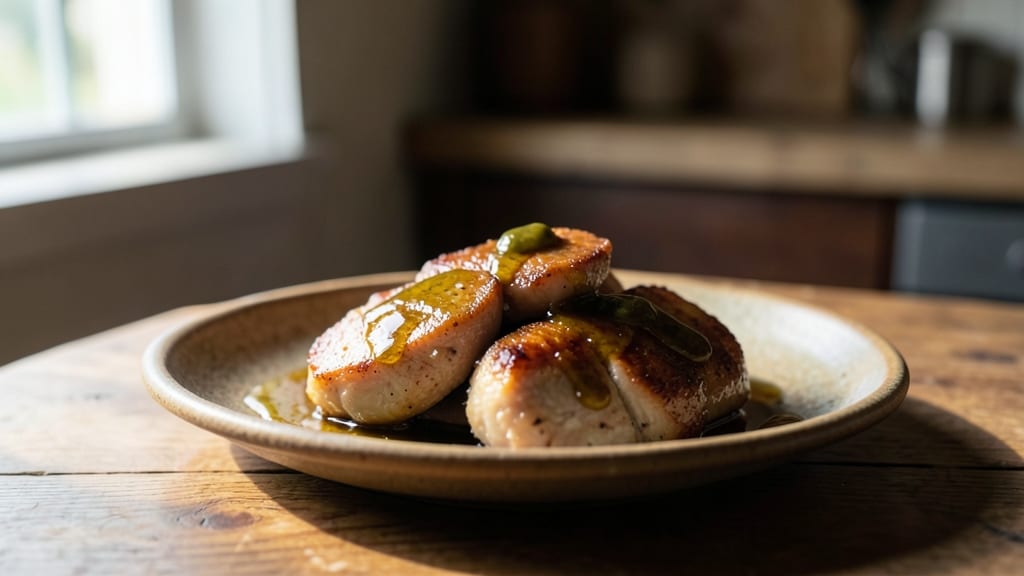
This Chinese chicken liver recipe transforms humble offal into a dish so silky and flavorful it rivals any restaurant specialty. Growing up in small-town Georgia, I never imagined I'd master offal cooking until my apprenticeship under Master Chef Chen revealed its potential—when prepared properly, chicken livers become a luxurious centerpiece.
The secret lies in precise preparation: cleaning thoroughly, marinating just long enough to tenderize without overpowering, and achieving that signature silky texture through quick, high-heat cooking.
The celery vinegar zing in this recipe cuts through the richness of the livers while adding a bright, aromatic complexity. I learned this technique from Chef Chen himself, who insisted on using fresh celery root and vinegar reduced to a glossy sauce—never bottled substitutes.
The result is a dish where each bite delivers tender, melt-in-your-mouth livers with a glossy finish that practically sings. This method transforms what many consider intimidating into something elegant and approachable.
What makes this recipe truly special is how it balances tradition with home-cooking practicality. You'll achieve restaurant-quality results in under 30 minutes, with just five key ingredients doing all the heavy lifting.
The dish pairs beautifully with steamed jasmine rice, which soaks up the rich sauce, and a simple stir-fried green vegetable to balance the richness. Every component works together to create a meal that feels both comforting and sophisticated.
Perfect for impressing guests or treating yourself to a taste of authentic Chinese cuisine, this recipe proves that offal dishes can be just as refined as any other protein.
The technique is straightforward once you understand the critical steps—cleaning, marinating, and cooking at the right temperature. Let's bring this dish to your table with confidence and precision.
Ingredients for chinese chicken liver
Precision-cleaned chicken livers and aromatic Chinese ingredients create a luxurious dish with restaurant-quality silkiness.
| Ingredient | Amount | Notes |
|---|---|---|
| Chicken Livers 🍗 | 1 ½ lb | Fresh, trimmed of connective tissue |
| Celery Root 🥬 | ½ lb | Freshly grated for bright flavor |
| Fresh Ginger Root 🌿 | 1 oz | Peeled, finely minced (about 2 tbsp) |
| Black Vinegar 🍶 | ¼ cup | Chinese variety for authentic zing |
| Shaoxing Wine 🍷 | ¼ cup | Dry, not sweetened version |
| Sesame Oil 🫒 | 1 tbsp | Toasted, for finishing |
| Green Onions 🧅 | 4 whole | White and green parts separated |
| Cornstarch 🌾 | 1 tbsp | For velvety texture |
| Diamond Crystal Kosher Salt 🧂 | ½ tsp | For seasoning |
| Freshly Ground Black Pepper 🌶️ | ¼ tsp | Cracked, not powdered |
| Neutral High-Smoke-Point Oil 🫒 | 2 tbsp | Avocado or grapeseed oil |
| Jasmine Rice 🍚 | 1 ½ cups | Uncooked, for serving |
The chicken livers require meticulous preparation: trim any connective tissue or blood vessels using kitchen scissors, then soak in cold water for 10 minutes to remove residual blood. Whole Foods or specialty Asian markets carry the freshest cuts, often pre-trimmed for convenience. Celery root should be firm with no dark spots—Asian grocery stores typically stock it year-round. For the vinegar, Lee Kum Kee black vinegar delivers the authentic umami depth, while Shaoxing wine can be found in the international aisle of most major supermarkets. Fresh ginger loses potency quickly, so purchase it just before cooking or store it in the freezer.
No celery root? Substitute with 2 cups finely diced regular celery, though the flavor profile will differ slightly. Shaoxing wine unavailable? Dry sherry at half the quantity works in a pinch, but the dish loses some complexity. For a vegetarian adaptation, mushroom stems or hearts of palm can mimic the texture when sliced thinly. The cornstarch is essential for achieving that signature silky texture—don't skip it. And while sesame oil adds depth, toasted peanut oil offers a similar nutty finish if you prefer.
Chicken livers should be used within 2 days of purchase for optimal freshness. Store them in an airtight container in the coldest part of your fridge, covered with paper towels to absorb any moisture. The prepared sauce keeps for 3 days refrigerated, though the flavors meld best when used immediately. For meal prep, cook the rice separately and store components in airtight containers—reheat livers gently in a skillet with a splash of water to maintain their tenderness. This dish reheats beautifully, making it ideal for leftovers.
Why You'll Love This Recipe
- Pantry to Plate: I swear by this recipe when I’m staring at a fridge full of odds and ends. Celery root and ginger sit in my freezer, chicken livers cost pennies at the butcher—just toss them in a hot pan with Shaoxing wine, and boom. No shopping list, no stress.
- Umami Bomb: That first bite? The black vinegar cuts through the richness of the livers while the Shaoxing wine adds this deep, savory punch. The celery root—sweet and nutty when roasted—balances it all like a perfect counterpoint. It’s the kind of flavor that lingers, making you reach for seconds without thinking.
- Weeknight Workhorse: I’ve served this at book club meetings, potlucks, and even as a fancy-ish appetizer for date night. The leftovers? Even better reheated the next day—just a quick sear in the pan to revive the edges. Honestly, it’s my go-to when I need something impressive but won’t stress over.
- Budget Magic: Chicken livers are one of those ingredients that feel luxurious but won’t break the bank. A pound feeds four, and the rest of the ingredients? Most are already lurking in my spice drawer or pantry. It’s my secret for stretching meals without sacrificing taste—or my wallet.
Step-by-step instructions for silky-sautéed Chinese chicken livers
A precise technique transforms delicate chicken livers into velvety, aromatic bites with vibrant celery vinegar essence.
Prepare the Chicken Livers and Celery Root Foundation
Trim the 1.5 lb chicken livers of any connective tissue or silver skin, then rinse thoroughly under cold water. Pat them completely dry with paper towels—this ensures they won't steam instead of sear. In a separate bowl, finely grate the 0.5 lb celery root using a box grater or food processor. The texture should resemble coarse sand, as this will dissolve into the sauce rather than remain as distinct pieces.
Peel and mince the 1 oz fresh ginger root to create about 2 tablespoons of finely chopped ginger. This aromatic base will carry through the entire dish, balancing the earthy celery root with bright, zesty notes. Set aside both the prepared livers and celery root mixture—they'll be ready when your pan is hot.
Sear the Chicken Livers with Precision
Heat 2 tablespoons neutral high-smoke-point oil in a large skillet over medium-high heat until shimmering. Working in batches to avoid overcrowding, add the chicken livers in a single layer. Press down gently on each piece with a spatula for 10-15 seconds—this prevents curling and ensures even contact with the pan. Cook undisturbed for 1-2 minutes per side until the exteriors develop a deep golden-brown crust and the centers remain slightly pink.
Remove the livers from the skillet and set aside, leaving the rendered fat behind. This golden residue contains concentrated flavor that will form the base of your sauce. If the fat darkens too quickly, reduce the heat slightly—you want it to bubble gently, not smoke. The livers should be cooked through but still tender, not rubbery.
Build the Celery Vinegar Sauce
Reduce the heat to medium and add the grated celery root to the skillet. Stir constantly for 3-4 minutes until the raw celery flavor mellows and the mixture begins to caramelize slightly along the edges. This step is crucial—it transforms the earthy celery root into a sweet, almost buttery component of the sauce.
Pour in the 0.25 cup Shaoxing wine and scrape up any browned bits from the bottom of the pan. Let the wine simmer for 2-3 minutes until reduced by half. Then add the 0.25 cup black vinegar and continue simmering for another 2 minutes, allowing the acidity to cut through the richness of the livers. The sauce should now coat the back of a spoon with a glossy sheen.
Finish with Cornstarch and Aromatics
In a small bowl, whisk together the 1 tablespoon cornstarch with 2 tablespoons water to create a smooth slurry. Slowly pour this into the skillet while stirring vigorously. The sauce will thicken dramatically within 30-60 seconds, becoming velvety rather than gluey. If it thickens too quickly, add 1 tablespoon hot water to adjust the consistency.
Return the chicken livers to the skillet and toss gently to coat them evenly in the sauce. Stir in the 2 tablespoons minced white parts of green onions and the 0.5 teaspoon diamond crystal kosher salt, followed by the 0.25 teaspoon freshly ground black pepper. Remove from heat and immediately drizzle with 1 tablespoon toasted sesame oil, tossing once more to distribute.
Serve Over Jasmine Rice with Garnish
Transfer the silky-sautéed chicken livers to a serving platter and arrange over 1.5 cups cooked jasmine rice. Garnish with the green parts of the 4 whole green onions, sliced thinly on the bias for a pop of color and freshness. The rice should be warm but not steaming—serve immediately while the livers retain their velvety texture and the sauce remains glossy.
Each bite should deliver a harmonious balance: tender, slightly sweet livers enrobed in a sauce that marries the bright tang of black vinegar with the earthy depth of celery root. The sesame oil adds a final layer of nutty aroma, elevating this dish from simple to sophisticated. Leftovers, if any, should be refrigerated and reheated gently over low heat to preserve the sauce's silky consistency.
Pro Tips For Making Chinese Chicken Liver
- Blanch First, Sear Fast: Drop chicken livers in boiling water for 30 seconds before searing—this removes blood and prevents a metallic taste. After blanching, pat bone-dry with paper towels, then sear over max heat for 2 minutes per side. (Yes, they’ll look raw inside, but they’ll finish perfectly.)
- Julienne Celery Root Thin: Skip the thick matchsticks—slice celery root into paper-thin strips (⅛-inch max) so it cooks down evenly with the livers. Thick pieces turn mushy and dull the dish. (Use a mandoline if you’re impatient, but test the blade first.)
- Deglaze with Wine Early: After searing the livers, immediately pour in Shaoxing wine and scrape the browned bits—this unlocks deeper flavor. Let it reduce by half before adding black vinegar, or the acid will mute the wine’s richness. (No, you can’t skip this step and call it "close enough.")
- Salt the Ginger Wrong: Lightly salt the julienned ginger and let it sit for 10 minutes before cooking—this softens it and prevents it from turning bitter. (I learned this the hard way after overcooking a batch and ending up with a weird, sharp aftertaste.)
Perfect pairings for these flavors
Rice Pairings
Serve this dish over steamed jasmine rice to soak up the rich celery vinegar sauce—it’s the classic pairing that balances the dish’s bold flavors. For extra texture, try short-grain sushi rice cooked with a touch of mirin (about 1 tablespoon) for a subtle sweetness that complements the livers.
If you prefer heartier grains, brown rice works well, though it absorbs the sauce differently. 🍚
Stir-Fried Greens
Bright, crisp vegetables cut through the richness of the livers beautifully. I love stir-fried bok choy with garlic and chili flakes—toss 2 bunches in 1 tablespoon toasted sesame oil over high heat for 3 minutes until wilted but still vibrant.
For a sweeter contrast, steamed gai lan (Chinese broccoli) with a sprinkle of white pepper adds a satisfying crunch. 🥬
Dipping Sauces
Offer a hoisin-ginger dip for extra indulgence: mix 2 tablespoons hoisin sauce with 1 teaspoon minced ginger, 1 teaspoon rice vinegar, and a pinch of sugar.
For a lighter option, blend 1 cup cucumber, 1 tablespoon black vinegar, and ½ teaspoon salt into a refreshing cucumber relish. Both sauces enhance the dish without overpowering it. 🍶
Beverage Pairings
A dry Chinese white wine like Marsanne or Riesling complements the dish’s umami depth and bright acidity. For beer lovers, a light lager (such as Asahi Super Dry) keeps the palate clean. If you prefer something non-alcoholic, jasmine tea with a squeeze of lemon adds a refreshing finish. 🍷
Garnish Finishes
Elevate the dish with toasted sesame seeds (heat 1 tablespoon in a dry pan for 30 seconds) or crispy fried shallots for crunch. A sprinkle of fresh cilantro adds a bright, herbaceous note.
For a smoky touch, finish with a drizzle of chili oil—just ½ teaspoon adds heat without overwhelming the delicate flavors. ✨
Nutrition facts
Frequently asked questions
Why do I need to soak chicken livers before cooking?
Soaking the livers in cold water for 10 minutes removes residual blood and connective tissue that can make them tough or bitter. This step is critical for achieving that signature silky texture. Always pat them completely dry afterward to ensure proper searing.
Can I substitute celery root if I can't find it?
Yes! Use 2 cups finely diced regular celery instead, though the flavor will be slightly less sweet and earthy. For best results, pulse it in a food processor to mimic the grated texture. The dish will still taste delicious, just with a more familiar celery flavor profile.
How do I prevent chicken livers from becoming rubbery?
Overcooking is the main culprit. Remove livers from the pan when they're just barely pink in the center (1-2 minutes per side over medium-high heat). The residual heat will finish cooking them as they rest. Never overcrowd the pan, or they'll steam instead of sear.
What's the best way to store leftover chicken livers?
Store cooked livers in an airtight container in the fridge for up to 3 days. Reheat gently in a skillet with 1 tablespoon water over low heat to prevent drying out. The sauce may thicken further—thin with a splash of water if needed. For longer storage, freeze for up to 1 month.
Can I make this dish ahead of time?
Prepare the sauce components (celery root, vinegar, wine) up to 1 day ahead and store refrigerated. Cook the livers fresh to maintain their tenderness, then toss them with the pre-made sauce just before serving. The flavors meld beautifully when combined fresh, though the sauce can be made completely ahead if needed.