
Sauces & Condiments
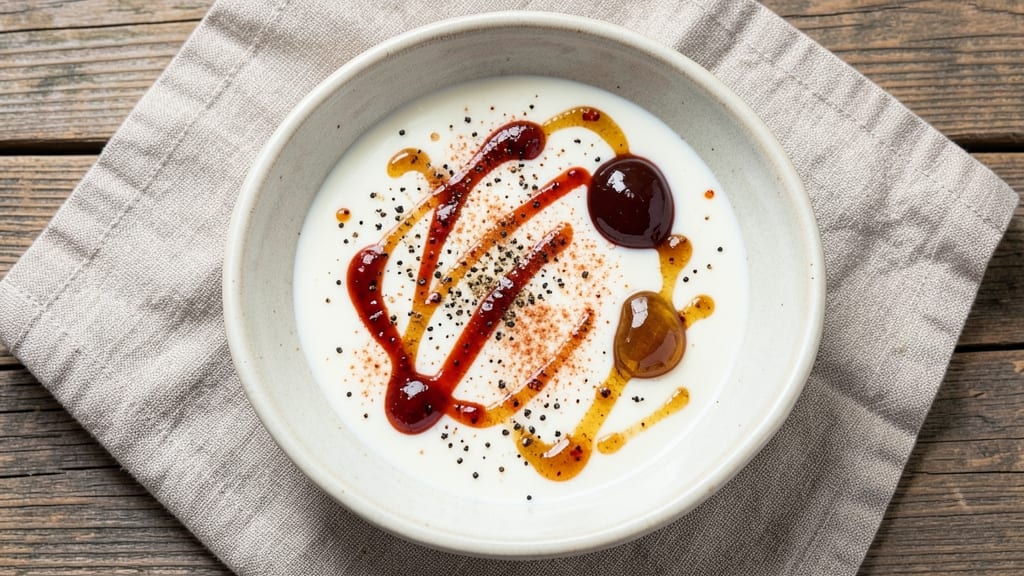
This chicken tender marinade recipe transforms ordinary chicken into restaurant-quality bites with a celery-vinegar crunch that stays crisp even after cooking. The secret lies in the balance of sharp vinegar, aromatic celery, and a touch of oil that keeps the meat tender while adding texture.
I developed this marinade after years of testing—it’s the one that finally delivers that perfect crunchy exterior with a juicy, flavorful core every time.
The marinade works its magic in just 15 minutes of prep, using simple pantry staples like apple cider vinegar, olive oil, and fresh celery.
The vinegar tenderizes the chicken while the celery adds a subtle crunch and depth of flavor, while spices like garlic powder and onion powder ensure every bite is packed with savory notes. This isn’t just a marinade—it’s a flavor multiplier that elevates even the simplest chicken tenders.
What you’ll end up with is chicken that’s tender on the inside and crisp on the outside, all thanks to this marinade’s magic. The celery-vinegar blend creates a tangy, slightly sweet profile that pairs perfectly with dipping sauces or stands alone as a standalone flavor.
Store the marinade in the fridge for up to 5 days, making it perfect for meal prep or last-minute cooking.
Whether you’re grilling, baking, or air-frying, this marinade guarantees juicy, flavorful results without the guesswork. The key is letting the chicken soak up the marinade for at least 30 minutes—or overnight for maximum flavor penetration. Ready to take your chicken tenders to the next level? Let’s get started.
Ingredients for chicken tender marinade
Simple pantry staples blend into the perfect marinade for crispy, juicy chicken tenders.
| Ingredient | Amount | Notes |
|---|---|---|
| Apple Cider Vinegar 🍎 | ½ cup | Raw, unfiltered preferred |
| Extra-Virgin Olive Oil 🫒 | ¼ cup | Light, fruity variety |
| Fresh Celery Stalks 🧅 | 1 cup | Finely minced, crisp |
| Garlic Powder 🧄 | 1 tbsp | Freshly ground preferred |
| Onion Powder 🧅 | 1 tbsp | Not onion salt |
| Dried Thyme 🌿 | 1 tsp | Or fresh thyme, finely chopped |
| Ground Black Pepper 🌶️ | ½ tsp | Freshly cracked |
| Diamond Crystal Kosher Salt 🧂 | ½ tsp | Fine grain preferred |
| Brown Sugar 🍯 | 1 tbsp | Light or dark |
| Worcestershire Sauce 🍶 | 1 tbsp | High-quality preferred |
The apple cider vinegar is the MVP here—Bragg or Mott’s are my go-tos because they’re raw and unfiltered, which means more flavor. Fresh celery is non-negotiable for that signature crunch (the good stuff, not the limp grocery store kind). If you can’t find fresh, celery salt at half the amount works in a pinch, but it won’t give you that same texture. For the olive oil, California Avocado Ranch or Colavita have that perfect light, fruity profile that won’t overpower the vinegar. Store your vinegar in a cool, dark place—heat and light turn it bitter fast.
No fresh celery? Celery seed at one-third the amount adds depth but won’t give you that crunch. Swap brown sugar for honey or maple syrup if you’re avoiding refined sugar, but the caramel notes from brown sugar help balance the vinegar’s sharpness. Worcestershire missing? Soy sauce or fish sauce (start with half the amount) can mimic that umami kick, but Worcestershire’s tang is unique. The spices? Penzeys or bulk bins at Whole Foods for the freshest grind—pre-ground spices lose potency in weeks. If you’re prepping ahead, store the dry spices separately until ready to mix.
This marinade keeps for 5 days in the fridge, sealed tight in a glass jar (plastic absorbs odors). For longer storage, freeze in ice cube trays—thaw overnight in the fridge before using. The celery will soften after a day, so add it fresh if you’re prepping ahead. Double the batch if you’re feeding a crowd—it’s worth it. The marinade works best on chicken tenders (pounded to even thickness) or chicken breast cutlets, but it’ll elevate any white meat. Let the chicken soak up the marinade for at least 30 minutes—overnight is ideal for maximum flavor.
Why You'll Love This Recipe
- No Chopping Chaos: I’ll be real—this marinade only needs one celery stalk chopped (and even that’s optional if you’re feeling lazy). The rest? Just dump in the pantry staples—garlic powder, onion powder, a splash of vinegar—and stir. My kids think I’m a magic chef, but it’s just smart shortcuts.
- Crispy-Tender Magic: That apple cider vinegar does something wild to the chicken—tender on the inside, shatteringly crispy outside. The olive oil keeps it juicy while the vinegar’s tang cuts through the richness. Honestly, it’s the kind of flavor that makes you reach for seconds without even thinking.
- Weeknight to BBQ Hero: Slather this on before dinner, and it’s ready for the pan or grill. Too busy? Toss it in the fridge overnight for even deeper flavor. My husband calls it my “no-stress dinner hack” because it works for weeknight dinners, potlucks, or lazy summer cookouts—no fancy planning needed.
- Budget-Friendly Powerhouse: Celery and vinegar stretch this marinade far—I’ve used the same batch for two meals without breaking the bank. Plus, the ingredients are all shelf-stable except for the celery, which I buy on sale and freeze. It’s my secret for feeding a crowd without stressing over the grocery bill.
Step-by-step instructions for chicken tender marinade
This marinade transforms tough chicken tenders into juicy, flavorful bites with minimal effort.
Finely Mince the Fresh Celery Stalks
Grab the 1 cup fresh celery stalks and remove any stringy leaves or tough ends. Using a sharp chef's knife, cut the stalks into ¼-inch dice. For even finer texture, pulse them in a food processor for 10-15 seconds until you achieve a rough paste—this ensures maximum flavor infusion into the chicken.
Here's the thing—mincing the celery this finely creates a subtle crunch that carries through to the finished tenders. You'll notice the marinade has a slightly textured quality that contrasts beautifully with the tender meat. If you're using a knife, work in batches to avoid overcrowding your cutting board.
Whisk Together the Wet Ingredients
In a medium bowl, combine the 0.5 cup apple cider vinegar and 0.25 cup extra-virgin olive oil. Add the 1 tbsp Worcestershire sauce and 1 tbsp brown sugar, then whisk vigorously for 30 seconds until the sugar dissolves completely. The mixture should look emulsified with a glossy sheen.
This is where the magic begins—the vinegar acts as a tenderizer while the olive oil carries the flavors deep into the chicken. The Worcestershire sauce adds umami depth, and the brown sugar balances acidity with a touch of sweetness. If you notice any sugar settling at the bottom, give it another quick whisk to fully integrate.
Incorporate the Dry Seasonings and Celery Paste
Add the minced celery to the wet mixture, followed by the 1 tbsp garlic powder, 1 tbsp onion powder, 1 tsp dried thyme, 0.5 tsp ground black pepper, and 0.5 tsp diamond crystal kosher salt. Stir with a wooden spoon until everything is thoroughly combined—you should see the dry ingredients fully dispersed with no visible streaks.
This step is crucial for even flavor distribution. The celery paste will give the marinade its signature texture, while the dry spices create a balanced flavor profile. If the mixture looks too thick, add 1-2 tablespoons of water to reach a pourable consistency. The marinade should coat the back of a spoon smoothly.
Marinate the Chicken Tenders
Place the chicken tenders in a resealable plastic bag or shallow dish. Pour the marinade over them, ensuring each piece is fully coated. Seal the bag or cover the dish, then refrigerate for at least 4 hours, or up to 24 hours for maximum tenderness. The acid in the vinegar will break down the muscle fibers, guaranteeing that juicy core you're after.
For best results, turn the tenders occasionally during marination so all sides absorb the flavor. I like to marinate them on a tray in the fridge to prevent any potential leaks. When ready to cook, pat the tenders dry before cooking—this ensures a better sear and crispier exterior. The longer they marinate, the more tender and flavorful they'll become.
Pro Tips For Making Chicken Tender Marinade
- Pulse Celery Fine: Skip the chopping—blend or pulse the celery in a food processor until it’s almost paste-like. This dissolves better into the marinade and keeps it smooth, not chunky. (Yes, it sounds weird, but your tenders won’t taste like they’re swimming in celery strings.)
- Vinegar First, Then Oil: Pour the apple cider vinegar into the bowl before adding the olive oil. Stirring it in first helps distribute the acid evenly—prevents clumping and ensures the marinade works its magic on every bite. (I used to add oil first, and half the vinegar would pool at the bottom.)
- Let It Sit 2 Hours: Don’t rush the marinade—give it at least 2 hours (overnight is even better) for the vinegar to tenderize the chicken. The acid needs time to break down the fibers, and the celery’s flavor will really sink in. (I know, you’re eager, but trust me on this.)
- Strain the Celery: After blending, strain the celery pulp through a fine-mesh sieve to remove excess moisture. This keeps the marinade from getting watery and diluting the flavors. (It’s a pain, but the difference is noticeable—especially if you’re grilling.)
Best sauces and condiments for this recipe
Classic Dipping Sauces
This marinade pairs perfectly with ranch dressing—its creamy texture balances the tangy celery-vinegar notes beautifully. I like to serve it with Hidden Valley Original or a homemade version using sour cream, mayonnaise, and buttermilk.
For a zesty contrast, try honey mustard—mix 2 tbsp Dijon mustard with 3 tbsp honey and a splash of apple cider vinegar for a sweet-tangy kick. 🥄
Spicy Kick Variations
Add 1 tsp hot sauce (like Cholula) or ½ tsp cayenne pepper to the marinade for heat lovers. For a smoky twist, stir in ½ tsp smoked paprika before marinating.
If you want extra spice, brush the cooked tenders with a mix of 1 tbsp sriracha and 1 tsp honey after cooking for a sticky, fiery glaze.
Sweet Glaze Options
For a caramelized finish, toss cooked tenders in 2 tbsp brown sugar and 1 tbsp butter, then broil for 2-3 minutes until sticky. A honey-mustard glaze (mix 2 tbsp honey with 1 tbsp Dijon) adds a glossy, sweet contrast.
I also love drizzling balsamic reduction (simmer ½ cup balsamic vinegar until syrupy) for a tangy depth.
Herb-Infused Oils
Drizzle the cooked tenders with herb-infused olive oil—simmer ½ cup olive oil with 2 tbsp fresh rosemary and 1 tbsp fresh thyme for 5 minutes, then strain. This adds an aromatic finish that complements the celery-vinegar marinade.
For a garlic twist, infuse oil with 4 minced garlic cloves and 1 tsp red pepper flakes for a bold flavor punch.
Creamy Aioli Pairings
A garlic aioli (mix ½ cup mayonnaise with 1 minced garlic clove, 1 tsp lemon juice, and ½ tsp salt) elevates the tenders with its rich, creamy texture.
For a lighter option, blend ½ cup Greek yogurt with 1 tsp lemon zest and ½ tsp cumin for a tangy, protein-packed dip. Both pairings cut through the marinade’s acidity beautifully. 🍴
Nutrition facts
Frequently asked questions
Can I use this marinade on chicken other than tenders?
This celery-vinegar marinade works beautifully on chicken breast cutlets, thighs, or even whole chicken pieces. For bone-in cuts, increase marination time to 6-8 hours to ensure deep flavor penetration. The vinegar's acidity helps tenderize tougher cuts while keeping the meat moist.
What's the best way to store leftover marinade?
Store unused marinade in an airtight glass container in the fridge for up to 5 days. For longer storage, freeze it in ice cube trays—thaw overnight in the fridge before reusing. The celery will soften after a day, so add fresh celery if you're using it again. Never reuse marinade that's touched raw chicken without boiling it first for 5 minutes to kill bacteria.
Can I make this marinade without celery?
Yes, but the texture and flavor will differ. Replace the celery with ½ cup finely minced shallots or ¼ cup celery seed for depth. For a sweeter profile, add 1 extra tbsp brown sugar. The celery's crunch is unique, but these substitutes will still create a delicious marinade. The key is balancing the acidity with complementary flavors.
How long should I marinate chicken tenders for maximum flavor?
For 30 minutes, you'll get decent flavor, but 4-6 hours is ideal for tender, juicy results. Overnight marination (8-12 hours) delivers maximum tenderness and flavor. The vinegar works its magic by breaking down muscle fibers, but don't exceed 24 hours—the acid can start to "cook" the chicken slightly, making it mushy.
Is this marinade safe for grilling?
Yes, this marinade is grill-ready! The vinegar and oil create a flavorful crust when exposed to heat. Pat the tenders dry before grilling for better searing. For extra protection, brush with 1 tsp olive oil before placing on the grill. The celery-vinegar blend holds up well to high heat, making it perfect for outdoor cooking. Just avoid flare-ups by keeping the grill clean.