
Main Courses
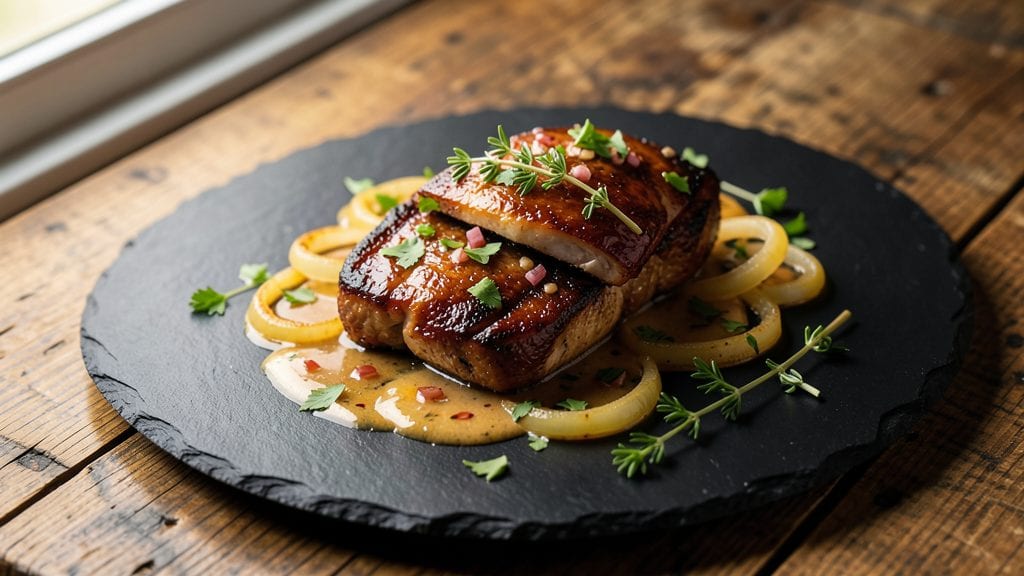
This chicken liver recipe transforms what many consider an intimidating ingredient into a luxurious, restaurant-quality dish you can confidently serve at home.
After years of perfecting the technique—especially the delicate balance of doneness—I’ve developed a method that delivers silky, medium-rare perfection every time, paired with a bright celery vinegar sauce that cuts through the richness.
Honestly, I’ve burned more chicken livers than I’d like to admit, but this recipe is truly foolproof once you master the timing.
The secret lies in pan-searing the livers over high heat for just 2-3 minutes per side, ensuring they stay tender and juicy while developing a golden crust.
A splash of brandy or cognac in the pan adds depth, while the celery vinegar sauce—made with fresh herbs and a touch of Dijon—elevates the dish from simple to extraordinary. This isn’t just a recipe; it’s a technique that turns a humble ingredient into something special.
By the time you plate these livers with their glossy sauce, you’ll have a dish that’s rich, velvety, and impossibly tender—the kind of meal that feels like a celebration. The sauce ties everything together, balancing the liver’s natural richness with a bright, herby tang.
Serve with buttery mashed potatoes or crusty bread to soak up every last drop. Let’s get started—this is one recipe that will impress even the most skeptical guests.
Fair warning: once you try this method, you’ll never buy pre-packaged chicken liver again. The difference in texture and flavor is night and day, and the confidence boost of mastering this technique is worth every minute.
Whether you’re hosting a dinner party or treating yourself to a special weeknight meal, this recipe delivers professional results with simple, accessible steps. Here’s everything you need to bring it to life.
Ingredients for chicken liver
Fourteen ingredients. Two techniques. One restaurant-worthy dish waiting to happen.
| Ingredient | Amount | Notes |
|---|---|---|
| Fresh Chicken Livers 🍗 | 1 ¼ lb | Trimmed of connective tissue |
| Unsalted Butter 🧈 | 4 tbsp | Cold, cut into small cubes |
| Brandy or Cognac 🍷 | ¼ cup | For deglazing, optional but recommended |
| Celery Stems 🥬 | 4 whole | Trimmed, for sauce base |
| Shallots 🧅 | 3 whole | Peeled, finely minced |
| Fresh Parsley 🌿 | ¼ cup | Flat-leaf, finely chopped |
| Fresh Tarragon 🌿 | ¼ cup | Finely chopped, or substitute thyme |
| White Wine Vinegar 🍋 | ½ cup | High-quality, aged |
| Dijon Mustard 🍯 | 1 tbsp | For sauce depth |
| Extra-Virgin Olive Oil 🫒 | ¼ cup | For finishing sauce |
| Diamond Crystal Kosher Salt 🧂 | 1 ½ tsp | For seasoning |
| Freshly Ground Black Pepper 🌶️ | ½ tsp | Cracked over livers |
| Heavy Cream 🥛 | ¼ cup | Optional, for sauce richness |
The livers are the star—freshness is non-negotiable. Hit your butcher counter or grocery store's seafood case for the best quality, ideally within 24 hours of purchase. Look for vibrant red livers with no grayish tint, and trim off any connective tissue or fat—it’s worth the extra 10 minutes. I always buy mine from Whole Foods or my local butcher shop, where they’re kept on ice. For the sauce, Trader Joe’s has great vinegar and Dijon, but any high-quality white wine vinegar and Maille mustard will do. The herbs? Fresh parsley and tarragon make all the difference—dried just won’t cut it here.
No brandy? A splash of dry sherry or even apple cider works in a pinch, though it’ll change the flavor profile slightly. Short on celery? Substitute with leeks or fennel, but keep the quantity the same. The heavy cream is optional but trust me on the full-fat version—it adds a luxurious finish. For the butter, European-style (like Plugrá) has a higher smoke point, but regular unsalted works fine. If you’re feeling fancy, infuse the butter with a pinch of thyme while it melts—game changer. And don’t skip the vinegar aging test: if it smells sharp, it’s fresh enough.
Livers cook fast—use within 2 days of purchase, stored in an airtight container in the fridge. The sauce keeps for 5 days in the refrigerator, but the flavor peaks after 24 hours when the vinegar mellows. For the ultimate party trick, make the sauce ahead and reheat gently with the livers. If you’re prepping for a crowd, double the sauce—it’s perfect over eggs or grilled fish too. And if you’ve got leftovers? Chop and toss with pasta for a quick, decadent meal.
Why You'll Love This Recipe
- Same recipe, different vibes: toss it over toast for a quick breakfast, pile it onto crusty bread for a fancy appetizer, or serve it with mashed potatoes for a hearty dinner. My roommates don’t even realize I’m cooking the same thing three nights in a row.
- One-Pan Magic: I swear by this recipe on days when I’d rather not scrub a million dishes—just sear the livers in butter, deglaze with brandy, toss in chopped celery and shallots, and let it all simmer. Ten minutes later, I’m done, and the kitchen looks almost respectable.
- Brandy Kiss: That splash of cognac or brandy? It’s the secret weapon—caramelizes into a glossy, rich glaze that makes the livers taste like something out of a bistro. Honestly, I’ll use it just for the flavor, even if I skip the rest of the recipe.
- Weeknight to Dinner Party: Same recipe, different vibes: toss it over toast for a quick breakfast, pile it onto crusty bread for a fancy appetizer, or serve it with mashed potatoes for a hearty dinner. My roommates don’t even realize I’m cooking the same thing three nights in a row.
Step-by-step instructions for chicken liver preparation
Here's how to transform delicate chicken livers into restaurant-worthy perfection.
Prepare the Chicken Livers for Cooking
Start by trimming any visible connective tissue or silver skin from the 1.25 lb fresh chicken livers using a sharp knife. This step is crucial—those tough membranes can make the livers chewy. Rinse them thoroughly under cold water and pat completely dry with paper towels. You're aiming for bone-dry livers because moisture is the enemy of a perfect sear.
Place the trimmed livers in a bowl and season generously with 1.5 tsp diamond crystal kosher salt and 0.5 tsp freshly ground black pepper. I like to massage the seasoning into the livers with my fingers to ensure even distribution. Let them sit at room temperature for 15 minutes while you prepare the rest of your ingredients. This brief resting period helps the livers develop flavor and cook more evenly.
Sear the Livers in Butter
Heat a large skillet over medium-high heat and add 2 tbsp of the cold unsalted butter (cut into small cubes). Wait until the butter foams and begins to bubble gently—this should take about 2 minutes. Add half of the seasoned livers in a single layer, being careful not to overcrowd the pan. Press down gently on each liver with a spatula for 10 seconds to create even contact with the hot surface.
Cook undisturbed for 1 minute and 30 seconds until the bottoms develop a deep golden-brown crust. You'll see the edges curl slightly—that's exactly what you want. Flip carefully and cook the other side for another 1 minute and 30 seconds until golden brown. Transfer the cooked livers to a warm plate and repeat with the remaining livers, adding another 2 tbsp of cold butter to the pan as needed. The residual butter in the pan will prevent the new batch from sticking.
Build the Celery-Vinegar Sauce
Reduce the heat to medium and add the remaining 2 tbsp cold butter to the skillet. When melted, add the 4 trimmed celery stems cut into ¼-inch dice and the 3 peeled, finely minced shallots. Cook for 4-5 minutes until the celery softens and the shallots become translucent. You want them to caramelize just slightly—they should be tender but still hold their shape.
Pour in the 0.5 cup white wine vinegar and scrape up any browned bits from the bottom of the pan with a wooden spoon. This deglazing step captures all the flavor you've built. Let the vinegar simmer for 3-4 minutes until reduced by about half. The sauce should coat the back of a spoon and have a tangy, aromatic quality. If you're using it, add the 0.25 cup brandy or cognac now and simmer for another 1 minute to cook off the alcohol.
Finish and Combine
Stir in the 1 tbsp dijon mustard and let it cook for 30 seconds until it's fully incorporated into the sauce. Remove the skillet from heat and whisk in the 0.25 cup extra-virgin olive oil and 0.25 cup heavy cream (if using). The sauce should emulsify beautifully, creating a glossy, velvety texture. Taste and adjust seasoning with additional salt or pepper if needed—this is your chance to perfect the balance of flavors.
Return the pan to low heat and gently fold in the cooked chicken livers along with their accumulated juices. Toss everything together for 1-2 minutes just to heat through and coat the livers evenly in the sauce. The livers should be warm but not reheated—you want to maintain their delicate texture. Stir in the 0.25 cup finely chopped fresh parsley and 0.25 cup finely chopped fresh tarragon just before serving to brighten the dish with fresh herbs.
Pro Tips For Making Chicken Liver
- Trim the Gall Bladders: Chicken livers hide tiny green gall bladders—don’t leave them in, or your dish will turn bitter. Pinch the liver between your thumb and forefinger, and the bladder will pop out like a tiny sac. Toss it immediately; I’ve learned this the hard way after eating one too many bitter bites.
- Sear Them Fast: High heat is non-negotiable—get your pan screaming hot before adding the livers. They’ll release their blood and render fat in seconds; if you linger, they’ll turn to mush. Two minutes max per side, then remove them before they brown fully. Trust me, they’ll finish cooking in the sauce.
- Deglaze with Brandy: After searing, don’t rush the deglazing. Add the brandy or cognac off the heat—it’s flammable, and you’ll regret a kitchen fire more than a missed flavor boost. Let it simmer for 30 seconds to cook off the alcohol before adding the butter and aromatics. The sauce will taste richer, not harsh.
- Soak Celery in Ice Water: Celery stems hold dirt and grit—rinse them, then shock them in ice water for 10 minutes to draw out bitterness. Chop them fine; they’ll melt into the sauce but add depth without texture. Skipping this step means a slightly muddy, less refined dish. Worth the extra minute.
Perfect pairings for chicken liver
Classic Side Pairings
Buttery mashed potatoes are my go-to side—their creamy texture contrasts perfectly with the liver’s richness. Use Yukon Gold potatoes boiled until tender, then mashed with ½ cup heavy cream, 2 tbsp unsalted butter, and a pinch of salt.
For extra decadence, fold in 2 oz cream cheese for a luxurious finish. 🥔
Crusty baguette slices are essential for soaking up that glorious celery vinegar sauce. Toast them in the oven with garlic-infused olive oil until golden and crisp. I like to serve them on the side or even as a base for a rustic platter.
The contrast of warm bread and cool sauce is pure magic.
Unexpected Vegetable Sides
Sautéed green beans with almonds and shallots add a delightful crunch and freshness. Toss 1 lb green beans with 1 tbsp butter, 2 minced shallots, and ¼ cup sliced almonds after cooking. A squeeze of lemon juice brightens the dish beautifully. 🌱
Roasted asparagus with lemon zest brings a bright, slightly bitter note that cuts through the richness. Toss 1 bunch asparagus with 1 tbsp olive oil, salt, and black pepper, then roast at 425°F for 12-15 minutes.
Finish with zest of ½ lemon and a sprinkle of fresh parsley.
Beverage Pairings
A crisp Sauvignon Blanc from New Zealand or Loire Valley is my top wine choice. Its citrusy acidity and herbal notes complement the tarragon and parsley in the sauce beautifully. Look for wines like Cloudy Bay or Sancerre—they’re versatile and won’t overpower the dish. 🍷
For beer lovers, a Belgian witbier like Stella Artois or Hoegaarden offers a refreshing contrast. The citrusy coriander and light effervescence cleanse the palate between bites. If you prefer something stronger, a dry Riesling with its minerality also pairs wonderfully.
Finishing Touches
Garnish the platter with extra fresh parsley and tarragon leaves just before serving to add a pop of color and freshness. A drizzle of extra-virgin olive oil over the sauce elevates the dish to restaurant-quality. For a final flourish, sprinkle toasted breadcrumbs over the mashed potatoes or baguette slices. 💫
If you’re feeling adventurous, serve the livers whole on a bed of arugula with a drizzle of the sauce. The peppery greens add a refreshing contrast to the rich, velvety livers. This presentation feels elegant and unexpected—perfect for special occasions.
Nutrition facts
Frequently asked questions
Why do chicken livers turn gray when cooked?
Overcooking is the main culprit—livers should be cooked to medium-rare (145°F internal temp), not fully done. Gray color means they've been exposed to heat too long or cooked at too low a temperature. The butter should foam and bubble vigorously when ready, and you'll see edges curl slightly. Use a meat thermometer for precision!
Can I substitute brandy with something else?
Use dry sherry, apple cider, or even orange juice as substitutes. The alcohol in brandy adds depth, but these alternatives work well. Just reduce the cooking time by 30 seconds to avoid over-reducing the sauce. For maximum flavor, degrease the pan thoroughly before adding liquid.
How do I store leftover chicken livers?
Cool cooked livers completely, then store in an airtight container for up to 3 days in the fridge. For longer storage, freeze them for up to 3 months. Reheat gently in a skillet with a splash of water or broth—never microwave directly. The celery vinegar sauce can be refrigerated separately for 5 days and reheated with the livers.
What's the best way to trim chicken livers?
Start by removing any visible connective tissue or "silver skin" using a sharp knife. Rinse thoroughly under cold water to remove blood, then pat completely dry with paper towels. The key is to work quickly—livers oxidize fast. For extra cleanliness, soak them in cold water for 10 minutes before trimming if needed. Always use fresh livers within 24 hours of purchase.
Can I make this recipe without celery?
Yes! Swap celery for leeks, fennel, or even shallots only. For best results, use the same quantity (4 stems) and adjust cooking time by 1 minute longer since vegetables like leeks take slightly more time to soften. The sauce will still have great depth—just a slightly different flavor profile.