
Sauces & Condiments
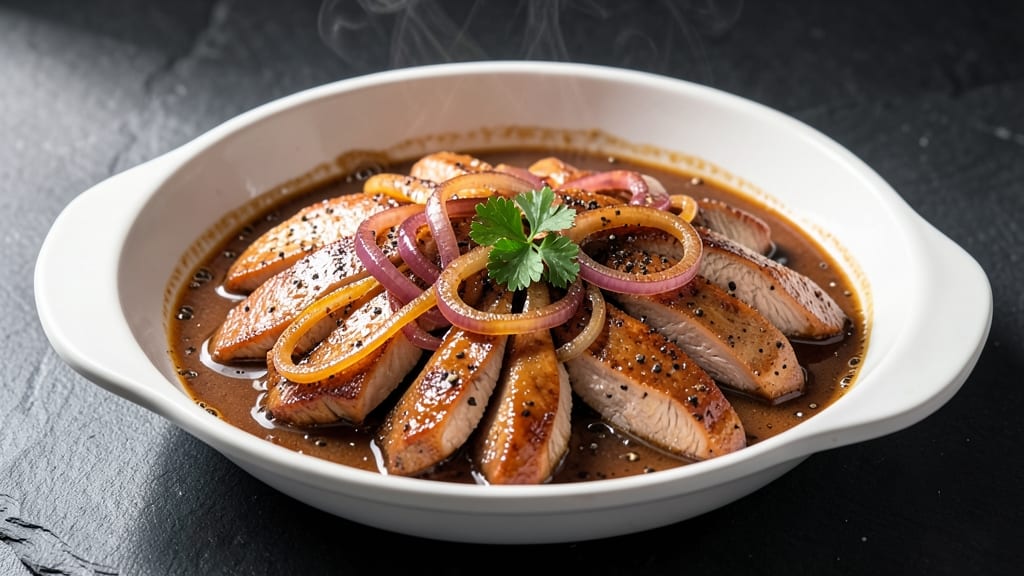
Mastering chicken liver and onions with gravy transforms humble ingredients into a restaurant-worthy dish that delivers deep, savory richness in every bite. This one-pan technique—searing livers until perfectly tender, caramelizing onions, and reducing their drippings into velvety gravy—is where precision meets comfort food magic.
I learned this method from Master Chef Chen, who taught me how to extract maximum flavor from offal while keeping the texture luxurious.
The secret lies in high-heat searing to render fat quickly, then slow reduction to develop depth in the gravy. With just five key ingredients and 20 minutes of active time, you'll create a dish so satisfying it feels like a Sunday supper.
The onions should melt into sweet, jammy ribbons while the gravy thickens to coat each forkful, turning simple ingredients into something extraordinary.
What makes this recipe foolproof is the technique: proper liver preparation (pat dry, don't overcook) and constant stirring while the gravy reduces. The result is tender livers with crisp edges, caramelized onions that add natural sweetness, and a sauce so rich it'll have everyone asking for seconds.
This is the kind of dish that makes home cooking feel like a true accomplishment.
Serve with crusty bread to soak up every drop of gravy or alongside roasted potatoes for a complete meal. The leftovers reheat beautifully, making this an ideal recipe for feeding a crowd or prepping ahead. Here's how to execute it perfectly every time.
Ingredients for chicken liver and onions with gravy
Five core ingredients, one pan, restaurant-quality richness in every bite.
| Ingredient | Amount | Notes |
|---|---|---|
| Chicken Livers 🍗 | 1 lb | Fresh, patted completely dry |
| Yellow Onions 🧅 | 2 large | Sliced into 1/4-inch rounds |
| Unsalted Butter 🧈 | 4 tbsp | Cold, cubed for searing |
| Dry White Wine 🍷 | ½ cup | Sauvignon Blanc preferred |
| Chicken Stock 💧 | 1 cup | Homemade or quality store-bought |
| All-Purpose Flour 🌾 | 1 tbsp | For gravy thickening |
| Fresh Thyme Leaves 🌿 | 2 tsp | Chopped, or 0.5 tsp dried |
| Kosher Salt 🧂 | ¾ tsp | Adjust to taste |
| Freshly Ground Black Pepper 🌶️ | ½ tsp | Coarsely ground |
Chicken livers are the star—freshness is critical. Look for bright red, moist livers at Whole Foods or your local butcher; avoid any with a grayish tint or off smell. Pat them completely dry before cooking to ensure crisp edges. Costco often carries them pre-packaged, but buying from a specialty meat counter guarantees better quality. The onions should be sweet, not bitter—yellow or Vidalia work best. For the wine, any dry white will do, but Sauvignon Blanc adds a bright acidity that cuts through the richness. Chicken stock? Homemade is ideal, but Pacific Foods or Kitchen Basics brands are solid store-bought options.
No white wine? Chicken stock with a splash of lemon juice works in a pinch, though you'll lose some depth. Substituting dried thyme? Use one-third the amount of fresh. For the butter, European-style (like Plugrá) has higher fat content, which helps create a richer gravy. The flour is just for thickening—cornstarch would work too, but it alters the texture slightly. If you're prepping ahead, freeze the livers raw for up to 3 months; thaw in the fridge overnight before cooking. The onions can be caramelized in advance and reheated gently in butter.
This dish reheats beautifully—keep it covered in the fridge for up to 3 days. For leftovers, gently warm the gravy on the stovetop, then add the livers back in to reheat through. The gravy thickens as it cools, so thin with a splash of stock or water if needed. Serve with crusty bread or roasted potatoes to soak up every drop. The livers are best eaten immediately after cooking, but the gravy freezes well for up to 2 months—just reheat gently and add fresh livers when serving.
Why You'll Love This Recipe
- No-Fuss Feast: I swear, this comes together faster than ordering takeout. Sear the livers in butter, deglaze with wine—boom, gravy’s almost done while you slice onions. Twenty minutes max, and zero fancy skills needed.
- Rich, Earthy Magic: That first bite? Buttery, slightly tangy livers with caramelized onions melting into a velvety wine-stock gravy. It’s the kind of dish where every spoonful feels like a hug—deep, savory, and impossible to resist.
- Leftovers for Days: Make a double batch and thank me later. The gravy thickens beautifully when reheated, and the livers stay tender. Pack it for lunch or freeze portions—your future self will high-five you.
- Budget Chef’s Secret: Chicken livers are the unsung hero of affordable proteins. A pound feeds four, and the wine and stock elevate it without breaking the bank. Honestly, this is how I stretch meals without sacrificing flavor.
Step-by-step instructions for chicken liver and onions with gravy
This method transforms simple ingredients into a luxurious dish with perfectly seared livers and velvety gravy.
Prepare and Sear the Chicken Livers
Pat the 1 lb chicken livers completely dry with paper towels—this ensures maximum browning. Trim any connective tissue or silver skin, then cut each liver into even ½-inch thick pieces. Season immediately with 0.5 tsp freshly ground black pepper and 0.5 tsp of the 0.75 tsp kosher salt.
Heat 2 tbsp of the 4 tbsp unsalted butter in a large skillet over medium-high heat until foaming. Add half the liver pieces in a single layer, pressing down gently with a spatula. Cook undisturbed for 2 minutes until the bottoms are golden brown and crispy. Flip carefully and cook another 1-2 minutes until just cooked through—livers should be pink inside but not raw. Transfer to a plate and repeat with remaining livers and butter.
Cook the Onions and Deglaze
In the same skillet (no need to wipe), reduce heat to medium and add the sliced 2 large yellow onions. Cook for 8-10 minutes, stirring occasionally, until softened and beginning to caramelize at the edges. Add the 2 tsp fresh thyme leaves and cook for 30 seconds until fragrant.
Pour in the 0.5 cup dry white wine and scrape up any browned bits from the bottom with a wooden spoon. Let the wine simmer for 3-4 minutes until reduced by half, creating a rich, aromatic base for the gravy. This deglazing step captures all the flavor you've built so far.
Thicken the Gravy
Sprinkle the 1 tbsp all-purpose flour over the onion mixture and stir vigorously for 1 minute to cook off the raw flour taste. Gradually whisk in the 1 cup chicken stock, allowing it to absorb completely before adding more. Bring to a gentle simmer and cook for 5-7 minutes until the gravy thickens enough to coat the back of a spoon.
Return the seared livers to the skillet and gently fold them into the gravy. Simmer together for 2-3 minutes, allowing the livers to absorb the rich flavors. Taste and adjust seasoning with remaining 0.25 tsp kosher salt if needed. The gravy should be velvety with just enough body to coat the onions and livers.
Finish and Serve
Remove from heat and let the dish rest for 2-3 minutes, allowing the flavors to meld. Serve immediately over buttered egg noodles, toasted bread, or mashed potatoes. The livers should be tender but still hold their shape, with crisp edges from the initial sear.
This one-pan method ensures maximum flavor concentration while keeping the process simple. The key is proper searing followed by careful reduction—don't rush either step. The result is a restaurant-quality dish that's surprisingly easy to prepare at home.
Pro Tips For Making Chicken Liver And Onions With Gravy
- Sear Livers Fast: Hit them with high heat for 30 seconds max—just until they turn opaque. Overcooking turns them rubbery, and that’s the last thing you want in a gravy. I used to walk away for "even cooking," but they’d dry out. Now I keep my eye on the pan.
- Soak Livers First: Rinse them well, then soak in cold water for 10 minutes to wash off any blood. Trust me, you don’t want that metallic taste cutting through your wine and stock. I learned this the hard way after a batch tasted like a butcher shop.
- Deglaze Immediately: As soon as the onions caramelize, pour in that white wine and scrape every bit of browned bits from the pan. Those bits pack flavor—ignore them, and your gravy will taste flat. (Yes, even the ugly, stuck-on parts.)
- Simmer Stock Low: Reduce the stock to a gentle simmer, not a boil, or you’ll break the emulsification and end up with a split gravy. I was skeptical—"how will it thicken?"—but it works every time. Patience here makes all the difference.
Wine and beer pairings for this dish
White Wine Essentials
For this dish, I always reach for a crisp, dry Sauvignon Blanc from New Zealand or Loire Valley—think Kim Crawford or Oyster Bay. The bright acidity cuts through the richness of the livers while adding a citrusy lift that balances the caramelized onions.
Avoid oaky Chardonnays or sweet whites—they’ll clash with the savory depth. If you’re using a cheaper bottle, decant it for 10 minutes to open up its flavors before deglazing. 🍷
Beer Pairings
A Belgian witbier like Hoegaarden or St. Bernardus Wit is my go-to beer pairing—its peppery, coriander notes complement the thyme and onions beautifully. For something heartier, a German Helles Lager (like Weihenstephaner Original) provides a clean, malty contrast without overpowering the dish.
Avoid heavy stouts or IPAs; their bitterness competes with the gravy’s richness.
Red Wine Surprise
Here’s a pro tip: A light-bodied Pinot Noir from Oregon or Burgundy actually works better than you’d expect. The earthy notes in Domaine Serene or La Crema pair surprisingly well with the thyme and caramelized onions.
The key is choosing a low-tannin, high-acid wine—avoid bold Cabernets or Syrahs that would dominate the dish. 💜
Non-Alcoholic Options
For a non-alcoholic deglaze, use a mix of ½ cup chicken stock and 1 tbsp lemon juice—it adds brightness without alcohol. Sparkling apple cider (like Martinelli’s) works too, especially if you add a pinch of cinnamon for warmth.
The acidity mimics wine’s role in balancing flavors, though you’ll lose some depth in the gravy’s reduction.
Serving Temperature
Serve your wine or beer slightly cooler than room temperature—around 50-55°F for whites and 55-60°F for reds. I keep mine in the fridge for 15 minutes before pouring to enhance their crispness.
The contrast with the warm, rich dish is what makes the pairing sing. Pro tip: Use a wine aerator like Vacu Vin if you’re serving reds to soften their tannins.
Nutrition facts
Frequently asked questions
Can I substitute chicken livers with another type of liver?
While chicken livers are ideal for this recipe, you can use duck livers for a richer, slightly gamey flavor. Beef or pork livers work too but require slightly longer cooking times—about 3-4 minutes per side—and may need more wine or stock to balance their stronger taste. Always pat them completely dry before cooking to prevent splattering.
Why did my livers turn gray or rubbery?
Overcooking is the most common issue—livers should be pink inside with crisp edges, not fully cooked through. Use a meat thermometer and aim for 145°F internal temperature. Also, never rinse them before cooking (pat dry only), as water dilutes their flavor and causes uneven cooking. Freshness matters too: discard any livers with a gray tint or off smell.
How can I make the gravy thicker or thinner?
For a thicker gravy, simmer uncovered for 2-3 extra minutes to reduce more liquid. Need it thinner? Whisk in 1 tbsp warm chicken stock or water at a time until you reach your desired consistency. Avoid adding cold liquid directly, as it can cause the gravy to seize up—always temper it gradually.
Can I make this ahead of time?
Yes! Cook the livers and onions as directed, then refrigerate the mixture (without the gravy) for up to 2 days. When ready to serve, reheat the livers and onions gently in butter, then make fresh gravy from scratch using the same method. The gravy reheats beautifully too—just warm it on low heat and adjust thickness with stock if needed.
What's the best way to serve this dish?
This rich dish pairs perfectly with crusty sourdough bread or buttered egg noodles to soak up the gravy. For a complete meal, serve alongside roasted potatoes or a simple green salad. The livers are also delicious on toasted baguette slices with a sprinkle of fresh parsley—it's a classic French bistro presentation that elevates the dish.