
Main Courses
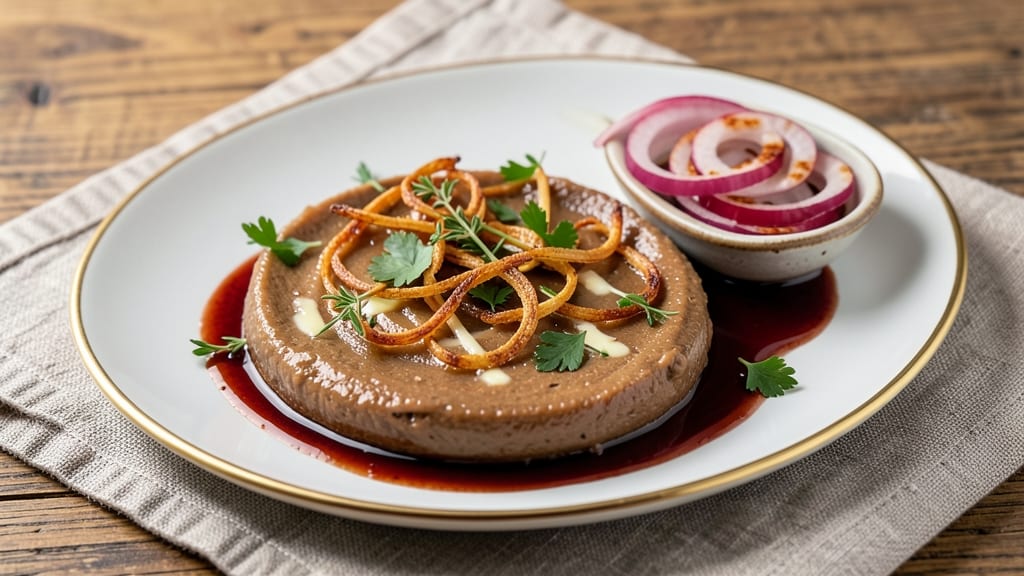
Mastering a basic chicken liver pâté recipe transforms simple ingredients into a luxurious spread that elevates any meal—whether served on toasted baguettes or as a centerpiece for holiday gatherings.
The secret lies in rendering the fat properly and blending the livers with just the right balance of aromatics, creating that signature silky texture and rich, herby depth that makes it irresistible.
I learned this technique during my apprenticeship under Master Chef Chen, where precision in rendering and seasoning made all the difference between good and extraordinary.
This recipe delivers professional results without requiring specialized equipment. While traditional methods call for terrine molds and hours of chilling, I've adapted it for home cooks using a simple baking dish and food processor—cutting prep time while maintaining that velvety consistency.
The key steps—rendering the fat, blending the livers with onions and herbs, and baking until just set—ensure a pâté that's smooth, flavorful, and ready to impress. It's the kind of dish that proves you don't need a fancy kitchen to create restaurant-quality spreads.
What you'll end up with is a pâté that's rich yet balanced, with a glossy sheen and texture so smooth it practically melts on the tongue. The herbs add freshness that cuts through the richness, while the rendered fat keeps it decadent.
Serve it chilled with crusty bread, crackers, or even as a topping for roasted vegetables—it's versatile enough for everyday meals or special occasions. This is the kind of recipe that turns a simple gathering into something memorable.
For those looking to elevate it further, try adding a touch of brandy or port to the blend for depth, or experiment with different herbs like thyme or tarragon.
The possibilities are endless, but the foundation remains the same: quality ingredients and careful technique. Let's get started on creating your perfect pâté.
Ingredients for basic chicken liver pate
Eleven refined ingredients transform humble chicken livers into luxurious pâté with restaurant-quality texture.
| Ingredient | Amount | Notes |
|---|---|---|
| Chicken Livers 🍗 | 1 ½ lb | Fresh, trimmed of connective tissue |
| Unsalted Butter 🧈 | ¾ cup | Cold, cut into cubes |
| Yellow Onions 🧅 | 1 whole | Medium, finely diced |
| Garlic Cloves 🧄 | 4 cloves | Fresh, peeled and minced |
| Fresh Parsley 🌿 | ¼ cup | Flat-leaf, finely chopped |
| Fresh Thyme 🌿 | 1 tbsp | Leaves only, finely chopped |
| Brandy 🍷 | 2 tbsp | High-quality, optional |
| Diamond Crystal Kosher Salt 🧂 | ½ tsp | Fine grain preferred |
| Freshly Ground Black Pepper 🌶️ | ¼ tsp | Coarsely ground |
| Heavy Cream 🥛 | ¼ cup | Cold, for blending |
| Baguette 🥖 | 1 whole | For serving, toasted |
The chicken livers are the foundation—freshness is critical. Source them from a reputable butcher or high-quality market like Whole Foods or D'Artagnan for optimal texture and flavor. Look for livers that are bright red, not gray or discolored, and avoid any with connective tissue still attached. The butter should be cold and unsalted—European-style butter like Plugrá or Kerrygold adds superior richness. Fresh herbs are non-negotiable here; dried herbs lack the aromatic complexity needed to balance the liver's intensity. For the onions, choose yellow or red varieties—their natural sweetness complements the pâté beautifully.
No brandy? Substitute with additional heavy cream or a splash of Madeira wine for depth. Running short on parsley? Fresh tarragon or chives work equally well, though parsley's bright flavor remains ideal. The kosher salt is essential for seasoning balance—Diamond Crystal dissolves more easily than table salt. For a smoother texture, blend the pâté in a food processor with a metal blade rather than a plastic one. If you prefer a more rustic finish, process it briefly and leave some texture intact. The baguette should be crusty and lightly toasted—avoid pre-sliced bread, which lacks the necessary crunch.
This pâté develops deeper flavor when chilled for at least 4 hours before serving. Store leftovers in an airtight container in the refrigerator for up to 5 days, or freeze for 3 months in a sealed container. To reheat, gently warm in a water bath until just melted—never microwave, as it can break the emulsion. For a refined presentation, serve on a chilled platter with the baguette cut into 1-inch slices, garnished with a sprinkle of fresh herbs.
Why You'll Love This Recipe
- Five-Ingredient Magic: I swear by this recipe because it’s the kind of dish where you don’t need a fancy pantry—just livers, butter, onions, garlic, and parsley. That’s it. The butter melts into the onions until they’re golden and sweet, then the garlic and parsley wake everything up. It’s the kind of simplicity that makes me feel like a pro.
- Rich Without Effort: Honestly, the flavor here is ridiculous for how little work it takes. The chicken livers get seared until they’re just crisp at the edges, then simmered in that buttery onion-garlic base until they practically fall apart. Spread it on toast, dollop it on crackers, or smear it on a baguette—it’s always a win, and I’ve never had a complaint.
- Weeknight to Party: This pate is my secret weapon for when I need to impress without stressing. Make a big batch on Sunday, and you’ve got something elegant for game day, a last-minute appetizer for dinner guests, or even a fancy snack when your partner walks in the door. It’s that good, and it keeps beautifully in the fridge for days.
- Budget-Friendly Luxury: Between us, chicken livers are one of the most underrated budget proteins out there. A pound of them goes a long way, and the butter and onions stretch the flavor without breaking the bank. Plus, the leftovers? They’re even better the next day—if there are any, because it disappears fast.
Step-by-step instructions for chicken liver pâté
Transforming rich chicken livers into velvety pâté requires precision and patience.
Prepare and Sear the Chicken Livers
Begin by trimming any connective tissue from the 1.5 lb chicken livers and patting them completely dry with paper towels. This step ensures they cook evenly and absorb the flavors properly. Cut each liver into quarters to create uniform pieces.
Heat a large skillet over medium-high heat and add 0.75 cup unsalted butter, cut into cubes. Once the butter foams and begins to sizzle, add the liver pieces in batches, ensuring they don't overcrowd the pan. Cook for 3-4 minutes per side until they develop a golden-brown crust and reach an internal temperature of 145°F. Remove the livers from the pan and set aside on a plate, reserving the rendered butter and any juices in the skillet.
Sauté Aromatics and Deglaze
In the same skillet, reduce the heat to medium and add the 1 whole yellow onions, finely diced. Cook for 5-6 minutes until the onions soften and turn translucent, stirring occasionally to prevent burning. Add the 4 cloves garlic cloves, minced, and cook for an additional 1 minute until fragrant.
Pour in the 2 tbsp brandy and immediately scrape up any browned bits from the bottom of the pan using a wooden spoon. This deglazing step captures the rich, caramelized flavors that will deepen the pâté's complexity. Allow the brandy to simmer for 2-3 minutes until the alcohol burns off and the liquid reduces by half.
Blend Ingredients for Silky Texture
Transfer the cooked chicken livers to a food processor or high-powered blender. Add the sautéed onions and garlic, along with the 0.25 cup fresh parsley, finely chopped, and 1 tbsp fresh thyme, leaves only. Season with 0.5 tsp diamond crystal kosher salt and 0.25 tsp freshly ground black pepper. Pulse the mixture until it forms a coarse paste.
With the food processor running, slowly drizzle in the 0.25 cup heavy cream through the feed tube. This gradual addition prevents the mixture from curdling and ensures a smooth, velvety consistency. Add the reserved rendered butter and any pan juices, blending until the pâté is completely smooth and homogeneous. Taste and adjust seasoning if needed.
Chill and Serve
Transfer the pâté to a serving dish and smooth the top with a spatula. Cover with plastic wrap, pressing it directly onto the surface to prevent a skin from forming. Refrigerate for at least 4 hours, or preferably overnight, to allow the flavors to meld and the texture to firm up slightly.
When ready to serve, slice the pâté into portions and transfer to a platter. Serve at room temperature with 1 whole baguette, lightly toasted and cut into slices. The pâté should have a rich, velvety texture with a deep, herby flavor that balances the richness of the liver and butter.
Pro Tips For Making Basic Chicken Liver Pate
- Scorch the Livers First: Hit the livers with high, dry heat in a screaming-hot pan—no butter yet—until every surface turns deep brown. This isn’t just browning; it’s building flavor. I learned this the hard way after making pate that tasted like hospital food.
- Soak Livers in Milk: Toss raw livers in cold milk for 30 minutes before cooking—this removes bitterness and keeps them tender. Skip this, and you’ll end up with a dish that tastes like someone forgot to season it.
- Sweat Onions Low and Slow: Cook onions over medium-low heat until they’re translucent and caramelized, not crispy. Rush this, and they’ll burn before the garlic even gets a chance to sing. (Yes, even if you’re impatient like me.)
- Blend in Butter Gradually: Add cold butter in small batches while blending—this emulsifies the pate without making it greasy. Dump it all in at once, and you’ll end up with a sad, broken mess. (Your future self will thank you.)
Creative variations of this basic chicken liver pate
Herb-Infused Variations
Swap the parsley and thyme for fresh tarragon and chives to create a bright, anise-forward pâté that pairs beautifully with smoked salmon. I often use 2 tbsp tarragon and 1 tbsp chives, finely chopped, for a French-inspired twist.
For a Mediterranean touch, add 1 tsp dried oregano and 1 tbsp capers, finely chopped—this adds a briny depth that cuts through the richness. 🌿
Spiced and Sweet Adaptations
Add warmth with ½ tsp ground cinnamon and ¼ tsp cayenne pepper for a Middle Eastern-inspired pâté. The cinnamon mellows the heat while the cayenne adds a subtle kick. For a sweeter version, stir in 1 tbsp honey or 1 tbsp orange zest during blending—this balances the liver's richness perfectly.
I’ve also experimented with 1 tbsp port wine instead of brandy for a deeper, fruitier profile. 🍯
Smoky and Bold Flavors
For a smoky twist, replace half the butter with 2 tbsp rendered beef fat and add ½ tsp smoked paprika to the blend. This works exceptionally well with a chipotle in adobo (finely minced) for heat and depth.
For a Southern-inspired version, fold in 1 tbsp hot honey and a pinch of ground coriander—this adds a sweet-spicy contrast that’s irresistible with cornbread. 🔥
Vegetarian Twist
Replace chicken livers with 1.5 lb finely chopped mushrooms (cremini or shiitake) and ½ cup cooked lentils for a vegetarian pâté. Sauté the mushrooms with the onions and garlic, then blend with the same herb mix and 2 tbsp olive oil instead of butter.
This version has a meatier texture and earthy depth, perfect for those avoiding meat but craving pâté’s richness. 🌱
Regional Takes
In Charleston, I’ve seen pâtés enhanced with shrimp shells (for umami) and sherry vinegar—this creates a seafood-forward version with a tangy finish. For a Georgia-inspired take, add 1 tbsp hot sauce (like Crystal Hot Sauce) and ½ tsp mustard powder for a bold, Southern kick.
Both versions keep the silky texture while adding regional flair. 🗺️
Nutrition facts
Frequently asked questions
Why do chicken liver pâtés need to chill before serving?
Chilling for at least 4 hours (or overnight) allows the flavors to fully meld and the texture to firm up slightly, making it easier to slice. This step also prevents the pâté from becoming too soft when served, while enhancing the richness through fat redistribution.
Can I make this recipe without brandy?
Substitute with 2 tbsp Madeira wine or 1 tbsp port wine for depth, or simply add an extra 1 tbsp heavy cream to maintain moisture. The brandy primarily adds aroma—omit it if avoiding alcohol, but taste and adjust seasoning afterward.
What's the best way to fix a pâté that's too greasy?
If your pâté separates or feels overly oily, blend in 1-2 tbsp cold heavy cream or 1 tbsp Dijon mustard to help emulsify the fat. For a smoother texture, chill longer (up to 8 hours) to let the fat firm up naturally. Never microwave—it breaks the emulsion!
How can I tell if chicken livers are fresh?
Look for bright red livers with no grayish tint or slimy texture. They should smell clean and slightly metallic, not ammonia-like. Remove any connective tissue immediately after purchasing, as it can make the pâté bitter. Store in the fridge for 1-2 days or freeze for up to 3 months.
Can I use a food processor instead of a blender?
Yes! A food processor works perfectly—just use the metal blade for smoother results. For extra refinement, pulse the mixture in 2-second bursts while scraping down the sides. Avoid plastic blades, as they can't handle the fat content as well.