
Main Courses
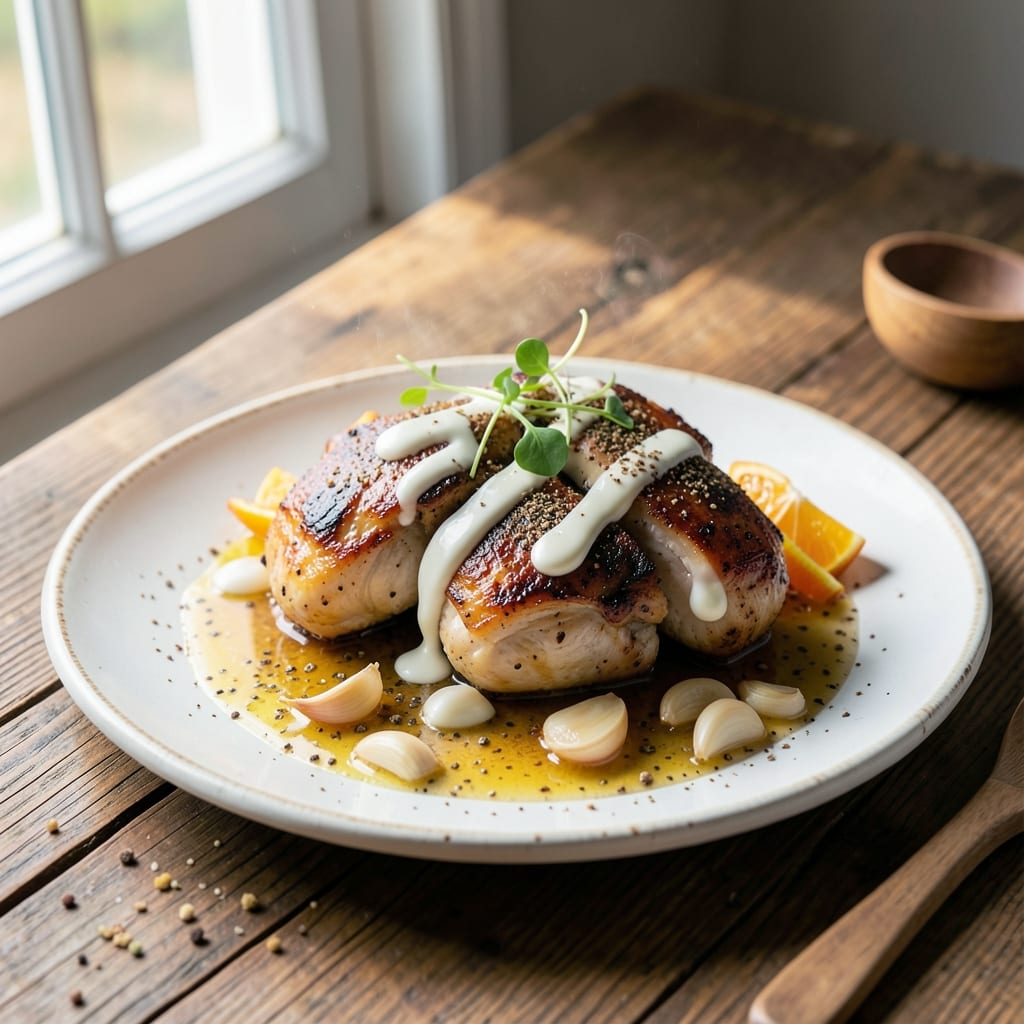
This baked chicken hearts recipe transforms humble offal into a restaurant-worthy dish with bold, spiced yogurt marination that delivers deep umami flavor and tender texture. 🔥 The secret lies in balancing tangy yogurt with warm spices that penetrate the meat overnight, creating a rich crust that locks in moisture during baking. What sets this apart is how it elevates an often-overlooked ingredient into a plated main course worthy of special occasions.
The process begins with a simple yet transformative marinade—plain yogurt infused with garlic, ginger, and earthy spices like cumin and coriander. This mixture not only tenderizes the chicken hearts but also imparts layers of complexity that baked chicken breasts simply can't match. The key is patience: letting the marinade work its magic for at least 6 hours (or overnight) ensures maximum flavor absorption and texture transformation.
By the time they emerge from the oven, your chicken hearts will be golden-brown and crispy on the outside with succulent, melt-in-your-mouth centers. The yogurt marinade creates a subtle tang that cuts through the richness, while the spices add warmth that lingers on the palate. This isn't just comfort food—it's a bold, flavorful centerpiece that pairs beautifully with roasted root vegetables or a bright citrus salad.
What makes this recipe particularly versatile is how adaptable it is to different occasions. Serve it family-style for a hearty Sunday dinner, or plate it elegantly for dinner guests who'll be impressed by both the presentation and the depth of flavor. The method is foolproof once you master the marinating time, and the results consistently deliver restaurant-quality satisfaction at home.
Ingredients for baked chicken hearts
Transform humble offal into a restaurant-worthy centerpiece with these carefully balanced ingredients.
| Ingredient | Amount | Notes |
|---|---|---|
| Chicken Hearts 🍗 | 1 ½ lb | Fresh or frozen, trimmed of excess fat |
| Plain Yogurt 🥛 | 1 cup | Full-fat Greek yogurt preferred |
| Garlic Cloves 🧄 | 6 cloves | Minced for marinade |
| Fresh Ginger 🌿 | 1 tbsp | Grated finely for marinade |
| Ground Cumin 🌶️ | 1 tbsp | Toasted for deeper aroma |
| Ground Coriander 🌿 | 1 tbsp | Freshly ground preferred |
| Turmeric Powder 🧂 | ½ tsp | For vibrant color and earthiness |
| Ground Black Pepper 🌶️ | ½ tsp | Freshly cracked for heat |
| Olive Oil 🫒 | 2 tbsp | Extra-virgin for richness |
| Lemon Juice 🍋 | 1 tbsp | Freshly squeezed for brightness |
| Salt 🧂 | 1 ½ tsp | Diamond Crystal kosher salt |
| Fresh Rosemary 🌿 | ¼ cup | Chopped, for finishing |
| Fresh Thyme 🌿 | ¼ cup | Chopped, for finishing |
The quality of chicken hearts makes all the difference—look for bright red, firm pieces with minimal fat. Whole Foods or your local butcher often carry them fresh, while Costco sells them frozen in bulk. If using frozen, thaw overnight in the fridge to ensure even marinade absorption. The yogurt should be full-fat Greek for optimal texture; non-fat versions can make the marinade too thin. For the spices, Penzeys Spices or bulk bins at specialty stores ensure maximum freshness—ground spices lose potency within months.
No Greek yogurt? Plain whole-milk yogurt works in a pinch, though the texture will be slightly less rich. Fresh ginger can be swapped for 1 tsp ground ginger, but the flavor won't be as vibrant. If you're avoiding garlic, 2 tbsp garlic powder substitutes, though the marinade will lack depth. For heat-sensitive diners, reduce the black pepper to 0.25 tsp and add 0.5 tsp smoked paprika instead. The lemon juice can be omitted if serving with acidic sides like a citrus salad, but it balances the richness beautifully. Store-bought minced garlic often contains anti-caking agents—freshly mincing your own cloves elevates the dish.
Marinated hearts keep 2 days in the fridge, covered tightly in their marinade. For longer storage, freeze the marinade and hearts together in an airtight container for up to 3 months. When ready to bake, thaw overnight in the fridge. The finished dish reheats best at 350°F for 10 minutes**, though it's even more flavorful served fresh from the oven. Leftovers pair wonderfully with roasted vegetables or a simple arugula salad. For presentation, garnish with chopped rosemary and thyme just before serving—fresh herbs add a pop of color and brightness** that elevates the restaurant-quality appearance.
Why You'll Love This Recipe
- Five-Ingredient Magic: I swear by this recipe—just hearts, yogurt, garlic, ginger, and cumin. That’s it. No fancy prep, no hidden ingredients, just pure flavor in a bowl.
- Crispy-Creamy Contrast: The yogurt marinade gives them that tender, almost melt-in-your-mouth texture, while the oven turns them into little golden nuggets. Honestly, the first bite is worth every minute.
- Game for Any Meal: Toss them over rice for a quick lunch, serve with flatbread for a snack, or pile them high on toast with pickles for brunch. My roommates steal them from my plate no matter what we’re eating.
- Budget Boost: A pound of chicken hearts runs cheaper than thighs, and this recipe stretches it far. Between us, I’ve fed four people for under $10—and they’ve never complained about leftovers (though I always save the best for tomorrow’s lunch).
Step-by-step instructions for spiced yogurt chicken hearts
Here's the method for transforming humble chicken hearts into restaurant-worthy bites with deep umami and aromatic complexity.
👨🍳 Step 1: Prepare the Umami-Packed Marinade
In a medium bowl, combine the 1 cup plain yogurt, 2 tbsp olive oil, 1 tbsp lemon juice, and 1.5 tsp salt. I like to whisk this vigorously for 30 seconds until fully emulsified—the oil should form a smooth, creamy base. This yogurt mixture is the foundation of our flavor.
Next, add the 6 cloves minced garlic cloves, 1 tbsp grated fresh ginger, 1 tbsp ground cumin, 1 tbsp ground coriander, 0.5 tsp turmeric powder, and 0.5 tsp ground black pepper. Stir until all spices are completely dissolved—you should see a vibrant yellow from the turmeric and a rich, earthy aroma developing. Let this marinade sit at room temperature for 10 minutes to allow the spices to bloom fully.
🍳 Step 2: Tenderize and Marinate the Chicken Hearts
Rinse the 1.5 lb chicken hearts under cold water and pat them completely dry with paper towels. This step is crucial—any moisture prevents proper browning later. Using a sharp chef's knife, make shallow slits on the thicker sides of each heart (about ¼-inch deep) to help the marinade penetrate deeply.
Transfer the hearts to a resealable plastic bag and pour the prepared marinade over them. Seal the bag and massage the marinade into the meat for 2 minutes to ensure even coating. Refrigerate for at least 4 hours (overnight is ideal)—this extended marinating period transforms the texture and infuses maximum flavor. The acidity in the yogurt and lemon juice will begin breaking down the connective tissue, making the hearts incredibly tender.
🔥 Step 3: Preheat and Arrange for Baking
Preheat your oven to 400°F with a rack positioned in the middle position. Line a baking sheet with parchment paper and arrange the marinated chicken hearts in a single layer, leaving about ½-inch between each piece. This spacing allows for even browning and proper air circulation.
Let the hearts sit at room temperature for 15 minutes before baking—this prevents temperature shock when they hit the hot oven. While they warm, I like to lightly brush the tops with any remaining marinade in the bag. This extra coating ensures maximum flavor development during baking.
🔥 Step 4: Bake to Golden Perfection
Bake the chicken hearts for 25-30 minutes until they reach an internal temperature of 165°F and develop a deep golden-brown crust. You'll know they're ready when the edges are crispy and the juices run clear when pierced with a meat thermometer. The yogurt marinade will create a beautiful caramelized crust while keeping the interiors moist and tender.
During the last 5 minutes of baking, sprinkle the 0.25 cup chopped fresh rosemary and 0.25 cup chopped fresh thyme evenly over the tops. This finishing step adds a bright, aromatic dimension that complements the deep umami flavors. Be careful not to overcrowd the pan—this can lead to steaming instead of browning.
⏰ Step 5: Rest and Serve with Confidence
Transfer the baked chicken hearts to a cutting board and let them rest for 5-10 minutes before serving. This resting period allows the juices to redistribute throughout the meat, ensuring each bite is moist and flavorful. The hearts should be fork-tender with a crispy exterior that gives way to a rich, meaty interior.
Serve immediately with the pan juices drizzled over the top for maximum flavor impact. These chicken hearts pair beautifully with crusty bread to soak up the aromatic marinade or alongside a fresh salad for a complete meal. The combination of yogurt, spices, and fresh herbs creates a complex flavor profile that transforms this humble ingredient into something truly special.
Pro Tips For Making Baked Chicken Hearts
- SEAR FIRST, BAKE SECOND: Skip the slow bake—start by searing the hearts in a hot pan for 2-3 minutes per side until deeply browned. This locks in flavor and prevents them from turning rubbery later, especially since chicken hearts dry out fast.
- GINGER: GRATE, DON’T CHOP: I used to hack ginger with a knife, but freshly grated (about 1 tablespoon) melts into the yogurt marinade smoothly and adds a bright, aromatic punch. No knife fights, no clumps—just pure ginger goodness.
- YOGURT: THICK IS BETTER: Thin yogurt means a soggy marinade. Use full-fat, thick plain yogurt (strained if possible) to coat the hearts properly. Thin yogurt clings like water and won’t stick to the cumin or garlic like it should.
- DON’T OVERCROWD THE PAN: Chicken hearts bake best in a single layer, not a pile. If you stack them, the bottoms steam instead of brown, and the marinade pools unevenly. Spread them out—even if it means two batches.
Common mistakes when making your baked chicken hearts
Skipping the Marinade
I can't stress enough how critical the marinating step is—skipping it results in tough, flavorless chicken hearts. The yogurt's acidity and spices need at least 4 hours to tenderize the meat and infuse flavor. If you're short on time, marinate for no less than 2 hours, but trust me, overnight yields the best results. The marinade breaks down connective tissue, making the difference between rubbery and melt-in-your-mouth texture. 💫
Overcrowding the Pan
Placing chicken hearts too close together traps steam and prevents proper browning, leaving you with soggy instead of crispy edges. Maintain ½-inch spacing between each piece on your baking sheet. If you're baking a large batch, use two pans instead of overfilling one. The goal is even air circulation—this ensures that beautiful caramelized crust we're all after. I've made this mistake more times than I'd like to admit!
Underestimating Internal Temp
Chicken hearts are done at 165°F internal temperature, not when they look browned. Using a meat thermometer is non-negotiable here—visual cues alone can be misleading. Undercooked hearts can be tough and chewy, while overcooked ones dry out. I recommend checking the thickest piece in the center of the heart. If it's not quite there, return to the oven for 5-10 minutes more. 🌡️
Not Drying the Hearts
Any moisture on the chicken hearts before baking prevents the marinade from forming that perfect crispy crust. After rinsing, pat them completely dry with paper towels—don't skip this step! Wet surfaces create steam instead of browning. I've seen home cooks rush this, and it's a game-changer for texture. Pro tip: Use two layers of paper towels for maximum absorption.
Ignoring the Resting Time
Skipping the 5-10 minute rest after baking causes juices to pool on your cutting board instead of redistributing throughout the meat. This leads to dry, flavorless bites. The resting period allows the fibers to relax and reabsorb those delicious marinade juices. Trust the process—it's worth the wait for that perfect first bite. 💪
Using Low-Quality Ingredients
This recipe relies on fresh, high-quality ingredients—don't cut corners. Old spices lose their potency, and non-fat yogurt won't create the same rich marinade. I recommend Penzeys Spices** for fresh ground spices and full-fat Greek yogurt for optimal texture. The quality of your chicken hearts matters too—look for bright red, firm pieces with minimal fat. These small investments make a world of difference in the final result. 🍗
Nutrition facts
Frequently asked questions
Can I substitute chicken hearts with another protein?
While chicken hearts are ideal for this recipe, you can use duck hearts or beef hearts with similar results. The marinade works beautifully on both, though beef hearts may require an extra 5-10 minutes in the oven. For a lighter option, chicken livers work too, but they cook much faster (15-20 minutes) and need careful temperature monitoring.
How do I know when chicken hearts are properly thawed?
Fully thawed chicken hearts should feel soft and pliable, with no ice crystals remaining. Press a piece—if it springs back immediately, it's ready. For safety, never use hearts that are still partially frozen. Thaw overnight in the fridge or use the cold water method (sealed in a leak-proof bag for 30 minutes max) to speed up the process.
What if I don't have fresh rosemary or thyme?
No problem! Swap with 1 tsp dried rosemary and 1 tsp dried thyme (use half the amount since dried herbs are more concentrated). For extra brightness, add 1 tbsp chopped parsley or ½ tsp lemon zest during the final minutes of baking. The key is maintaining that fresh, aromatic finish that balances the rich marinade flavors.
Can I make this recipe ahead of time?
Marinate the hearts 1-2 days ahead and store them in their marinade in the fridge. Bake just before serving for best texture. For a make-ahead meal, bake the hearts 1 day ahead, cool completely, then refrigerate. Reheat in a 350°F oven for 10 minutes or until warmed through. The flavors actually deepen overnight!
Why did my chicken hearts turn out dry?
Dryness usually means overcooking or skipping the resting time. Always check for 165°F internal temp and let them rest 5-10 minutes after baking. Another common issue is using low-fat yogurt—stick with full-fat for proper moisture retention. For extra juiciness, brush the hearts with 1 tbsp olive oil** before baking if they seem dry.